Curb appeal is often the first impression a home makes on visitors, neighbors, and potential buyers. It reflects not just aesthetic choices but also the care and attention given to a property. While landscaping, lighting, and entryways are obvious contributors, the siding of a home plays a surprisingly significant role in shaping its overall look and appeal. Beyond appearances, siding also provides structural and protective benefits, influencing energy efficiency, durability, and maintenance needs. Understanding how siding affects your home can help you make informed choices that enhance curb appeal and deliver long-term value.
How Does Siding Improve Your Home’s Aesthetic Appeal?
The siding type you choose significantly affects your home’s style. Vinyl siding is popular for its affordability, low maintenance, and variety of textures and colors. Wood siding offers a classic, natural look with timeless charm, requiring more upkeep against weather and pests. Fiber cement siding, made from cement, sand, and cellulose fibers, is durable, low-maintenance, and mimics wood without requiring the same level of care. Options like engineered wood or metal siding cater to specific aesthetics and durability needs. Each material allows homeowners to tailor their home’s exterior to their vision.
Choosing siding that complements your home’s architecture is crucial for a cohesive look. Colonial-style homes often pair with clapboard or horizontal lap siding, while modern designs may use smooth panels or vertical siding for sleekness. Tudor-style homes often use stucco or shingle siding accents for character. Matching siding style to architecture ensures a cohesive look, enhancing curb appeal and maintaining integrity.
Color is essential; it influences perception and emotional response. Light-colored siding can make a home feel larger and welcoming, while darker shades add elegance. Contrasting trim colors highlight details. Some colors reflect sunlight better, reducing heat absorption and improving energy efficiency. The right color palette enhances curb appeal and complements landscaping, roofing, and other elements.
What Are the Benefits of Siding Beyond Looks?
Siding can serve as more than a visual upgrade—it contributes to your home’s insulation and energy performance. Certain siding materials, when combined with proper insulation, help reduce heat loss in winter and minimize heat gain in summer. This can lower heating and cooling costs while keeping indoor temperatures more comfortable. For example, insulated vinyl siding adds a layer of thermal protection that improves energy efficiency without requiring major home modifications.
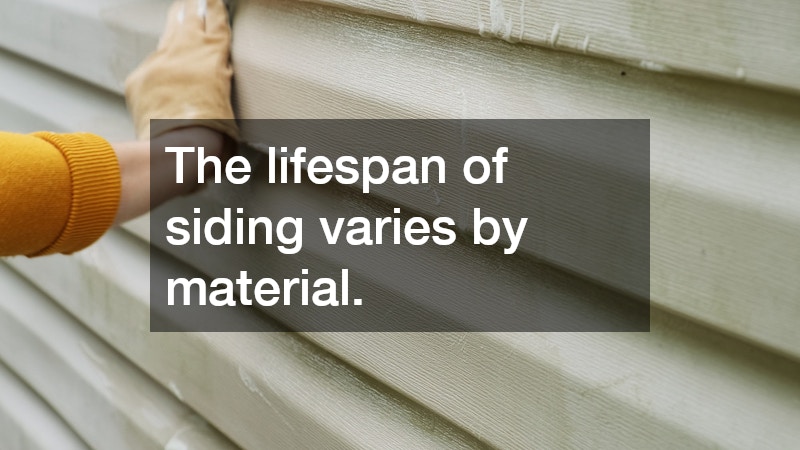
The lifespan of siding varies by material, but most modern options are designed to be long-lasting. Fiber cement and vinyl siding resist rot, warping, and insect damage, while wood siding, though visually appealing, may require periodic sealing, staining, or painting. Choosing materials that align with your willingness to maintain them ensures your home remains attractive over time without unexpected costs or labor. Low-maintenance siding also keeps the exterior looking fresh and well-cared-for, directly impacting curb appeal.
Siding acts as the first line of defense against weather, pests, and moisture. Properly installed siding shields your home from rain, wind, snow, and sun, reducing the risk of water infiltration and structural damage. It can also prevent mold growth and minimize exposure to pests, helping preserve the home’s integrity. The protective function of siding underscores its importance not just as a decorative element, but as a practical investment in the longevity of your property.
What to Consider When Choosing Siding?
Your local climate plays a major role in determining the best siding for your home. Moist or humid regions may benefit from fiber cement or vinyl siding, which resist moisture damage, while dry, sunny areas may allow for more wood-based options. Extreme temperature fluctuations or heavy snowfall also influence material selection and installation methods. Assessing climate considerations ensures the siding performs well in your environment and reduces future repair or replacement costs.
Siding costs vary widely depending on material, quality, and installation. Vinyl siding is typically the most affordable, while wood and fiber cement carry higher upfront costs but can offer long-term value through durability and aesthetics. It’s important to account for installation, finishing, and potential maintenance when budgeting. Balancing cost with longevity and visual impact ensures you make a smart investment that enhances curb appeal without overspending.
Proper installation is critical for both performance and appearance. Even high-quality siding can fail if installed incorrectly. Hiring a reputable siding contractor ensures accurate measurements, proper fastening, and weatherproof sealing. While DIY installation may be feasible for small projects, professional expertise often results in a smoother finish, fewer issues over time, and optimal warranty coverage. Selecting an experienced installer is an investment that pays off in curb appeal and long-term protection.
Siding is far more than just the outer layer of a home—it’s a vital component that enhances curb appeal, protects against the elements, and contributes to energy efficiency and durability. By carefully selecting materials, matching siding styles to your home’s architecture, choosing the right colors, and considering climate and maintenance factors, homeowners can transform their property’s exterior into a striking and functional asset. Whether installing new siding or updating existing surfaces, thoughtful choices ensure that your home not only looks appealing from the street but also enjoys long-term performance and value. With the right siding, your home’s first impression can be both beautiful and lasting.