
The current real estate market has shifted the way homeowners view their properties. For years, the prevailing wisdom was to buy a starter home, live in it for five years, and trade up. Today, with fluctuating interest rates and limited inventory, more people are choosing to stay put and invest in their existing footprint. This shift has changed the philosophy of renovation. It is no longer just about slapping a coat of gray paint on the walls to attract a buyer next month; it is about creating sustainable, long-term value that enhances your quality of life today while securing equity for the future.
Value is a dual concept in homeownership. First, there is “Resale Value,” the cold, hard number an appraiser puts on your home. This is driven by square footage, bedroom count, and the condition of major systems. Second, there is “Living Value,” which measures how well the home functions for your daily life. Does the layout flow? Is the temperature comfortable? Do you feel proud when you pull into the driveway? A successful renovation strategy addresses both. It avoids the common trap of over-improving a home for the neighborhood or sinking money into purely cosmetic fixes while ignoring structural time bombs.
The most effective renovation philosophy is the “Inside-Out” approach. This method prioritizes the exterior envelope—the roof, walls, and landscape—before moving inward to the kitchen and living spaces. It sounds counterintuitive because you spend most of your time inside, but securing the shell ensures that your expensive interior upgrades are protected from water, pests, and structural shifting. If you install premium hardwood floors but fail to fix a leaking roof, you haven’t improved your home; you’ve just created a future repair bill. This guide will walk you through a holistic renovation roadmap, ensuring every dollar you spend contributes to a safer, more efficient, and more valuable property.
Assemble the Right Team for Large-Scale Success
The difference between a dream home and a money pit often comes down to one factor: management. Television shows make renovation look like a weekend hobby, but significant home improvements are complex logistical operations involving permits, supply chain management, and strict code compliance. While the DIY spirit is admirable for painting a guest room or assembling furniture, structural and systemic renovations require professional oversight.
The most critical hire you will make is the person who steers the ship. A skilled local general contractor does far more than just hammer nails; they are your project manager, accountant, and advocate. They understand the specific building codes in your municipality, they have established relationships with reliable subcontractors, and most importantly, they carry the insurance liability. When vetting this partner, do not rely solely on online stars. Ask for references from projects completed in the last six months to gauge their current workload and reliability. A good manager ensures that the plumber, electrician, and drywaller are not scheduled for the same day in the same small room, preventing costly delays.
Before the rebuilding begins, the site must be prepared. This phase, often called the “gut,” is dangerous and legally precarious. It involves more than just swinging a sledgehammer. Professional demolition contractors are essential because they know how to dismantle a space without damaging the structural integrity of the home. They can identify load-bearing walls that cannot be moved without engineering approval. Furthermore, older homes often conceal hazardous materials like lead paint, asbestos in floor tiles, or old wiring that poses a fire risk. Professionals have the containment protocols to remove these materials safely, ensuring your family isn’t breathing in toxic dust for months after the work is done.
Key considerations for project management:
- Permitting: Ensure your team handles all city inspections. Unpermitted work can halt a future sale of your home.
- Timeline Buffers: Always add 20% to the estimated timeline for weather delays or material shortages.
- Communication: Establish a weekly check-in schedule to review progress and budget.
Secure the Exterior Envelope First
Once you have your team in place, your attention must turn upward. The roof is the single most important component of your home’s structure. It is the shield that protects everything else—insulation, drywall, electrical systems, and your personal belongings—from the elements. A compromised roof is the fastest way to lose equity. Water intrusion is insidious; it can rot framing and breed mold inside walls for months before a stain ever appears on your ceiling.
When considering residential roofing, think beyond just patching a leak. If your roof is nearing the end of its lifespan (typically 20-25 years for asphalt shingles), a full replacement offers a massive return on investment. It instantly boosts curb appeal and lowers homeowner’s insurance premiums. Modern roofing systems also include better ventilation technology, which helps regulate the temperature in your attic and prevents ice dams in the winter. When choosing materials, consider the architectural style of your home and the climate. Metal roofs offer incredible longevity but come at a higher price point, while architectural shingles provide a dimensional look that adds depth to the home’s exterior profile.
While the roof sheds water, other vertical elements of your home’s exterior manage smoke and exhaust. The chimney, often constructed of brick or stone, is frequently ignored until it begins to crumble. This masonry is constantly exposed to freeze-thaw cycles that can cause bricks to crack and mortar to turn to dust. Professional chimney restoration is vital for both safety and aesthetics. A deteriorating chimney can allow carbon monoxide to seep back into the home or allow water to penetrate the roof deck where the flashing meets the brick. Restoring the masonry involves repointing (replacing old mortar) and waterproofing the bricks to ensure the stack remains stable and functional for decades.
Signs your exterior envelope needs attention:
- Granule Loss: If you find sand-like granules in your gutters, your shingles are deteriorating.
- Spalling Bricks: If the face of your chimney bricks is popping off, moisture is trapped inside.
- Curling Shingles: Edges that turn upward indicate the material has dried out and failed.
- Attic Moisture: Any sign of damp insulation or rusted nails in the attic suggests a leak.
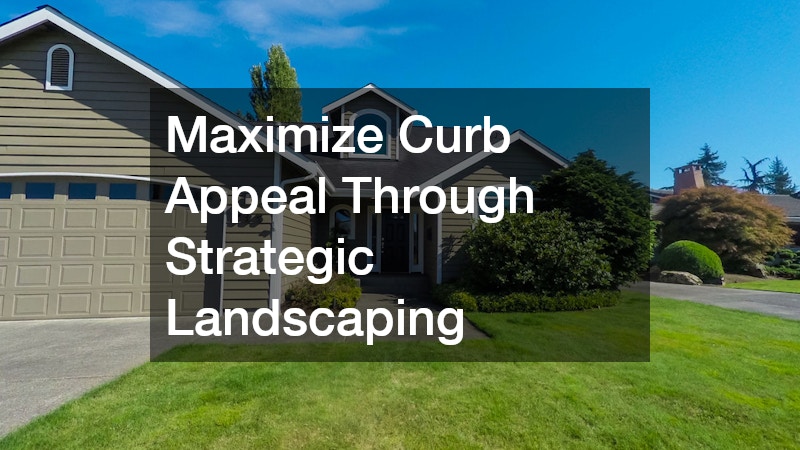
Maximize Curb Appeal Through Strategic Landscaping
Landscaping is often viewed as the final “pretty” touch, but it plays a significant structural role. The vegetation surrounding your home interacts with the soil, the drainage, and even the roof. Large plants are heavy, and their root systems are powerful. Neglecting the biological aspect of your property can lead to cracked foundations, clogged sewer lines, and damage to your new roof.
One of the most immediate threats to a property is dead or unstable timber. A massive oak tree might look majestic, but if it leans significantly toward your master bedroom or has a hollow trunk, it is a liability waiting to happen. Hiring a reputable tree removal company is a proactive step to protect your investment. This is not a job for a handyman with a chainsaw; taking down large trees requires rigging and precision to ensure the timber doesn’t crash through your roof or crush a fence. Removing hazardous trees also opens up the canopy, allowing more sunlight to hit your lawn and reducing the accumulation of moss and dampness on your siding.
However, not every tree needs to be removed. Mature trees are a huge asset, providing shade that lowers cooling costs and offering privacy. The goal is management. Engaging regular tree care services ensures that the canopy is lifted and thinned. This process allows wind to pass through the branches rather than pushing against them during a storm, reducing the likelihood of breakage. Proper pruning also keeps branches a safe distance from your roofline, preventing squirrels and raccoons from gaining easy access to your attic. A well-maintained landscape signals to neighbors and buyers that the property is loved and cared for.
A checklist for landscape safety and value:
- Distance Check: Ensure no branches are touching the house or hanging directly over the chimney.
- Root Inspection: Look for surface roots that are lifting pavement or growing toward the foundation.
- Drainage: Ensure the grade of the soil slopes away from the house to prevent basement flooding.
- Seasonal Clean-up: Remove dead leaves and debris promptly to prevent pest infestations.

Create Inviting Outdoor Living Spaces and Walkways
As we move from the safety of the grounds to the usability of the space, we enter the realm of hardscaping. In recent years, the concept of the “outdoor living room” has exploded in popularity. Homeowners want to extend their entertaining space beyond the four walls of the house. This means muddy backyards are being transformed into functional patios, and cracked concrete driveways are being reimagined as welcoming entryways.
The materials you choose for these surfaces matter immensely. Traditional poured concrete is cost-effective, but it is prone to cracking as the ground settles or shifts with temperature changes. Once concrete cracks, it is difficult to patch invisibly. This is why many homeowners are turning to a paver system. These interlocking stones or bricks offer a distinct advantage: flexibility. Because they are individual units, they can shift slightly with the earth without breaking. If a stone does get damaged, or if you need to access a utility line underneath, you can simply lift the affected stones and replace them.
From a design perspective, hardscaping frames the home. A widened driveway with a decorative border creates a sense of grandeur. A backyard patio with designated zones for dining and lounging increases the usable square footage of the property. When planning these areas, consider the permeability of the surface. Good design allows rainwater to seep into the ground between the stones rather than pooling against the house. This combination of aesthetics and engineering prevents water damage while creating a beautiful stage for summer barbecues and evening relaxation.
Tips for designing durable hardscapes:
- Base Preparation: The most important part of a patio is the gravel and sand layer underneath that you don’t see. Skimping here leads to sinking stones.
- Material Cohesion: Choose stone colors that complement your home’s siding and roof, rather than clashing with them.
- Lighting: Integrate low-voltage lighting into walkways to improve safety and nighttime ambiance.
- Scale: Ensure the size of the patio is proportional to the house and yard; too small looks cheap, too big feels commercial.
Modernize Climate Control for Efficiency
Moving inside the home, the first priority should be the systems that keep you alive and comfortable. The HVAC (Heating, Ventilation, and Air Conditioning) system is the lungs of your house. It filters the air you breathe and regulates humidity levels, which is crucial for preserving drywall, wood furniture, and flooring. An outdated system is not only expensive to run but can also be a noise nuisance and a source of poor indoor air quality.
Upgrading your climate control is one of the smartest “invisible” renovations you can undertake. Modern units are significantly more energy-efficient than those manufactured even ten years ago. When you work with a professional HVAC company, they can perform a “load calculation” to ensure the new unit is perfectly sized for your home. A unit that is too small will run constantly and fail to cool the house, while a unit that is too big will cycle on and off too quickly, failing to remove humidity. This balance is key to comfort.
Beyond the machinery itself, consider the “smart” integration of temperature control. Wi-Fi-enabled thermostats allow you to optimize heating and cooling schedules, ensuring you aren’t paying to condition an empty house. Furthermore, inspecting and sealing your ductwork ensures that the air you are paying to heat actually reaches the rooms, rather than leaking into the crawlspace or attic. These efficiency upgrades are major selling points, as savvy buyers always ask to see utility bills.
Benefits of a modernized climate system:
- Lower Utilities: High SEER (Seasonal Energy Efficiency Ratio) ratings translate directly to lower monthly electric and gas bills.
- Consistent Comfort: Variable-speed blowers eliminate hot and cold spots in different rooms.
- Healthier Air: Better filtration systems capture more dust, pollen, and pet dander.
- Quiet Operation: Modern units are designed to run much quieter than their rattling predecessors.

Choose Durable, Modern Flooring Solutions
Once the systems are running smoothly, the visual transformation of the interior begins. Flooring covers the largest surface area in your home and dictates the design aesthetic of every room. Historically, homeowners were forced to choose between the beauty of hardwood (which scratches and warps) and the durability of tile (which is cold and hard). Today, technology has bridged that gap, offering solutions that handle the chaos of modern life—pets, kids, and spills—without sacrificing style.
The rising star in this category is luxury vinyl flooring. This is not the peeling sheet vinyl of the 1970s. Modern luxury vinyl plank (LVP) is engineered to mimic the grain, texture, and color of real wood or stone with startling accuracy. Its primary advantage is resilience. High-quality vinyl is 100% waterproof, meaning you can run the same flooring from the front door, through the kitchen, and into the bathroom without transition strips. This seamless look makes small homes feel larger and more cohesive.
From an installation standpoint, this material is forgiving. It can often be installed over existing hard surfaces, reducing the mess of demolition. It also features a “wear layer,” a clear protective coating that resists scratches and scuffs. When shopping, look for a product with a wear layer of at least 20 mils for high-traffic areas. This durability means you won’t be panicking every time a guest doesn’t take off their shoes or the dog chases a ball down the hallway. It provides the warmth and look of wood with the industrial toughness required for real life.
Why modern synthetic flooring wins on value:
- Water Resistance: Unlike laminate or wood, it won’t swell if a dishwasher leaks or a drink is spilled.
- Acoustics: Many products come with an attached cork or foam underlayment that dampens sound, making for a quieter home.
- Maintenance: No waxing or refinishing is ever required; a simple sweep and mop keeps it looking new.
- Variety: Available in everything from rustic barn wood looks to sleek, modern marble styles.

Focus Interior Budget on Wet Areas
If you have a limited budget for interior remodeling, pour it into the bathrooms. Real estate data consistently shows that kitchens and bathrooms sell homes. While a kitchen is a massive undertaking, updating a bathroom offers a high return on investment and significantly improves your daily routine. The bathroom is no longer just a utilitarian space; it is expected to be a personal retreat, a place of relaxation and privacy.
A successful bathroom remodeling project requires careful planning to balance luxury with functionality. The most expensive part of a bathroom update is moving the plumbing. If you can keep the toilet, sink, and shower in their original locations, you save thousands of dollars that can be redirected toward premium finishes like a rainfall showerhead, a double vanity, or better lighting. Focus on “universal design” principles—features that are accessible to people of all ages—such as curbless showers or comfort-height toilets. These features make the home livable for longer and appeal to a broader range of future buyers.
Ventilation is also critical in these wet zones. A beautiful bathroom will be ruined by mold if the humidity isn’t managed. Ensure your renovation includes a high-quality exhaust fan that vents to the exterior, not just into the attic. Storage is another key factor; buyers love pedestrian sinks for the look, but they need drawers for their toiletries. Smart cabinetry solutions can maximize vertical space in small bathrooms, adding immense functionality without changing the footprint of the room.
Top upgrades for bathroom ROI:
- Lighting: Layer your light sources. You need bright task lighting for the mirror and softer ambient lighting for the shower area.
- Vanities: Swap out a pedestal sink for a vanity with storage to instantly increase utility.
- Fixtures: replacing dated gold or plastic faucets with modern brushed nickel or matte black hardware is a cheap but effective facelift.
- Tile: Use larger tiles to minimize grout lines, which makes cleaning easier and the room feel bigger.
Conclusion
Renovating a home is a journey that requires patience, budget discipline, and a clear vision. It is easy to get distracted by the glossy photos in design magazines, but a truly smart renovation is built on the unglamorous foundation of structural health and efficiency. By prioritizing the exterior envelope, managing the landscape, and ensuring your mechanical systems are up to date, you protect the investment you make in the beautiful finishes inside.
Remember that you do not have to do everything at once. A phased approach is often the best way to manage cash flow and sanity. Start with the projects that stop damage—the roof, the hazardous trees, the plumbing—and work your way toward the projects that add comfort and style.
Ultimately, the goal is to create a home that works for you. A safe, dry, and efficient home brings peace of mind. A beautiful, updated home brings pride. By balancing these two elements, you ensure that every improvement you make boosts the value of your property, whether you plan to sell next year or stay for a lifetime. Take the time to plan, hire the right professionals, and enjoy the process of transforming your house into your ideal home.