- Consistent year-round garden care helps plants stay healthy, prevents pests and diseases, and keeps your yard visually appealing in every season.
- Choosing a mix of evergreen plants, perennials, and ornamental grasses ensures your yard maintains color, texture, and structure throughout the year.
- Seasonal preparation—such as spring soil enrichment, summer watering routines, fall cleanup, and winter protection—supports long-term plant health.
- Healthy soil is the foundation of a thriving garden, so adding compost, mulch, and organic fertilizers improves plant growth and resilience.
- Proper lawn care practices like correct mowing height, deep watering, and regular aeration help maintain a lush, green lawn year-round.
- Thoughtful landscaping elements such as layered planting, garden pathways, and outdoor lighting can enhance your yard’s beauty and functionality.
A beautiful yard does not happen by accident. It requires consistent care, thoughtful planning, and a basic understanding of what plants need to thrive in different seasons. Many homeowners focus on their garden during spring and summer, but the truth is that maintaining a vibrant yard requires year-round attention. With the right approach, your outdoor space can remain healthy, colorful, and visually appealing no matter the time of year.
Keeping a yard attractive throughout the year does not necessarily mean spending hours every week on maintenance. Smart gardening practices, proper plant selection, and seasonal preparation can make a significant difference. By understanding how your yard changes throughout the seasons, you can implement strategies that maintain plant health, prevent common problems, and ensure your landscape continues to look inviting.
This guide explores practical gardening strategies that help homeowners maintain a beautiful yard every month of the year. From choosing the right plants to seasonal maintenance routines, these tips will help you create a landscape that remains lush, organized, and visually appealing.
Why Is Year-Round Garden Care Important?
Maintaining a garden throughout the year ensures that plants stay healthy and resilient, even when weather conditions change. Many gardening problems occur when yards are only maintained during peak seasons. Neglecting your garden during fall or winter can lead to soil depletion, pest infestations, and unhealthy plants that struggle to recover in spring.
Consistent garden care also improves the long-term appearance of your yard. Plants that are regularly pruned, watered properly, and supported with healthy soil tend to grow stronger and produce more vibrant foliage and flowers. A well-maintained yard also increases property value and creates a relaxing outdoor environment for homeowners and visitors.
Year-round gardening provides additional benefits beyond aesthetics. A healthy garden supports biodiversity by attracting birds, pollinators, and beneficial insects. This balanced ecosystem helps control pests naturally and promotes healthier plant growth. With a proactive approach, your yard can remain both beautiful and environmentally beneficial.
Key Benefits of Year-Round Garden Care
- Stronger plant growth and improved resilience
- Reduced risk of pests and plant diseases
- Better soil health and nutrient balance
- Improved curb appeal and property value
- Increased biodiversity and pollinator support
When homeowners adopt consistent gardening habits, maintaining a beautiful yard becomes easier and more rewarding.
Gardening Tips Every Homeowner Should Follow
A thriving yard starts with simple but effective gardening practices. These techniques help plants grow healthier while reducing the need for constant intervention. Many gardening challenges can be avoided by establishing a strong maintenance routine that supports plant health from the beginning.
One of the most important aspects of gardening is understanding your local climate and soil conditions. Plants that are suited to your environment require less maintenance and are more likely to thrive. Homeowners who choose plants that match their region’s temperature, rainfall patterns, and sunlight conditions typically experience fewer gardening problems.
Another essential practice is maintaining healthy soil. Soil is the foundation of any successful garden, and plants rely on it for nutrients, moisture, and stability. Improving soil quality through compost, organic matter, and proper drainage can dramatically improve plant growth and overall yard appearance.
Essential Gardening Practices
- Water plants properly
Overwatering is one of the most common gardening mistakes. Plants need consistent moisture, but excessive water can damage roots and lead to disease. Water deeply but less frequently to encourage stronger root systems.
- Use mulch to protect the soil
Mulch helps regulate soil temperature, retain moisture, and prevent weed growth. Organic mulches such as bark, wood chips, and compost also improve soil structure over time.
- Fertilize strategically
Plants need nutrients to grow, but applying fertilizer at the wrong time can cause more harm than good. Slow-release fertilizers and compost are excellent options for maintaining healthy soil.
- Remove weeds regularly
Weeds compete with plants for nutrients, water, and sunlight. Removing them early prevents them from spreading and keeps your yard looking tidy.
By following these basic gardening practices, homeowners can create a strong foundation for a yard that remains beautiful throughout the year.
How Do You Prepare Your Garden for Each Season?
Seasonal preparation plays a major role in maintaining a healthy yard. Different times of the year bring unique challenges, including temperature fluctuations, rainfall changes, and varying plant growth cycles. Preparing your garden for these seasonal transitions ensures plants remain healthy and resilient.
Spring is typically the season when gardens come back to life after winter dormancy. This is the time to clean garden beds, prune damaged branches, and prepare the soil for new growth. Early preparation helps plants establish strong roots before the growing season begins.
Summer gardening focuses on maintaining plant health during hot weather. Higher temperatures and increased sunlight can stress plants, so proper watering, mulching, and pest monitoring become essential tasks.
Seasonal Gardening Checklist
Spring
- Clean garden beds and remove debris
- Add compost or organic fertilizer
- Plant seasonal flowers and vegetables
- Prune dead or damaged branches
Summer
- Water plants early in the morning
- Add mulch to retain soil moisture
- Monitor plants for pests and diseases
- Trim plants to encourage healthy growth
Fall
- Plant bulbs for spring blooms
- Remove dead plants and fallen leaves
- Divide overcrowded perennials
- Prepare the soil with compost
Winter
- Protect sensitive plants with mulch or coverings
- Prune dormant trees and shrubs
- Plan garden improvements for the next season
Preparing your garden for seasonal changes ensures that plants remain healthy while maintaining a clean and attractive yard.
What Plants Keep Your Yard Attractive Year-Round?
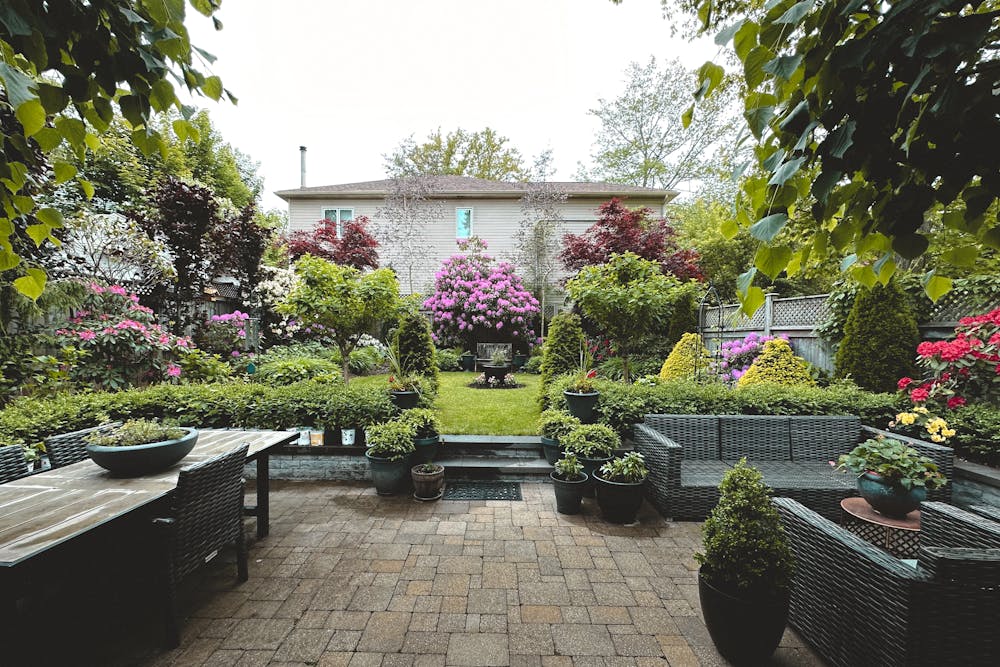
Choosing the right plants is one of the most effective ways to maintain year-round visual interest in your garden. While seasonal flowers provide vibrant colors during certain months, incorporating evergreen plants, ornamental grasses, and long-lasting perennials ensures your yard remains appealing even during colder seasons.
Evergreen plants are particularly valuable because they maintain their foliage throughout the year. Shrubs such as boxwood, holly, and juniper provide structure and greenery regardless of weather conditions. These plants create a consistent landscape foundation that supports seasonal blooms.
Perennials are another excellent option for homeowners seeking low-maintenance beauty. Unlike annual plants that need to be replanted each year, perennials return season after season. This reduces gardening workload while maintaining a stable and attractive landscape.
Plants That Add Year-Round Interest
Evergreen shrubs
- Boxwood
- Juniper
- Holly
Perennials
- Lavender
- Coneflower
- Daylilies
Ornamental grasses
- Fountain grass
- Blue fescue
- Maiden grass
Winter-interest plants
- Red twig dogwood
- Winterberry holly
- Hellebores
A balanced combination of these plants ensures your yard always has color, texture, and structure, regardless of the season.
How Can You Maintain a Healthy Lawn Throughout the Year?
For many homeowners, the lawn is the centerpiece of their yard. A lush, green lawn creates a polished appearance and provides a comfortable outdoor space for relaxation and recreation. Maintaining lawn health throughout the year requires a combination of proper mowing, watering, and soil care.
One of the most overlooked aspects of lawn care is mowing height. Cutting grass too short can weaken the lawn and expose the soil to weeds and drought. Maintaining a slightly taller mowing height encourages deeper root growth and improves resilience against environmental stress.
Watering practices also play a critical role in lawn health. Lawns require consistent moisture, but watering too frequently can promote shallow roots and fungal growth. Deep, occasional watering is typically more effective than daily light watering.
Lawn Care Tips
- Mow regularly, but avoid cutting more than one-third of the grass height
- Water deeply once or twice per week
- Aerate soil annually to improve drainage
- Apply fertilizer based on soil needs
- Remove lawn debris to prevent disease
With proper care, your lawn can remain green, healthy, and visually appealing throughout the year.
How Do You Prevent Common Garden Problems?
Even well-maintained gardens can encounter challenges such as pests, plant diseases, and nutrient deficiencies. The key to preventing these problems is early detection and proactive maintenance. When gardeners regularly inspect their plants, they can identify potential issues before they become severe.
Healthy soil is the first line of defense against many garden problems. Soil rich in organic matter supports beneficial microorganisms that help plants resist diseases and absorb nutrients more efficiently. Adding compost and avoiding excessive chemical treatments helps maintain this balance.
Another effective strategy is encouraging beneficial insects. Ladybugs, lacewings, and certain beetles naturally control harmful pests by feeding on them. Planting flowers that attract pollinators and beneficial insects can create a healthier garden ecosystem.
Common Gardening Problems and Solutions
Pest infestations
- Introduce beneficial insects
- Use natural pest repellents
- Remove heavily infested plants
Plant diseases
- Improve air circulation between plants
- Avoid overhead watering
- Remove infected leaves immediately
Nutrient deficiencies
- Test the soil regularly
- Apply organic fertilizers
- Add compost to improve soil structure
Taking preventative steps helps maintain plant health while keeping your yard visually appealing.
Simple Landscaping Ideas to Improve Your Yard’s Appearance

In addition to plant care, thoughtful landscaping can significantly enhance the appearance of your yard. Strategic design elements create visual interest and make outdoor spaces more functional. Even small improvements can transform a basic yard into an inviting landscape.
One effective landscaping technique is layering plants of different heights. Taller shrubs and trees form the background, medium plants create structure, and low-growing plants fill empty spaces. This layered approach adds depth and visual balance to your yard.
Garden pathways, decorative borders, and lighting can also enhance the overall design of your outdoor space. These features guide visitors through the yard while highlighting specific plants or garden areas.
Landscaping Ideas to Try
- Create curved garden beds instead of straight lines
- Add stone pathways to define garden areas
- Install outdoor lighting for evening ambiance
- Use raised beds for organized planting
- Incorporate decorative containers and planters
These landscaping ideas help create a yard that feels organized, welcoming, and visually dynamic.
Conclusion
Maintaining a beautiful yard throughout the year requires consistency, thoughtful planning, and a willingness to adapt to seasonal changes. By understanding how plants grow and what they need in different weather conditions, homeowners can create a garden that remains vibrant and healthy every month of the year.
Simple practices such as proper watering, soil improvement, and seasonal preparation can dramatically improve the appearance and longevity of your landscape. Choosing plants that provide year-round interest also ensures that your yard never looks dull, even during colder months.
Ultimately, gardening is a rewarding process that combines creativity with care. When homeowners follow proven strategies and maintain regular garden routines, they can enjoy a yard that remains attractive, functional, and relaxing throughout the entire year.