Owning a home means an endless list of upgrades, repairs, and replacements, and it is easy to feel like every project requires draining your bank account. The good news is that smart planning, the right professionals, and a few creative financing options can help you maintain and improve your home without financial stress. This guide walks through the most common home projects, from roofs to furniture, and shows you how to approach each one affordably. With a little research and patience, you can keep your home safe, functional, and comfortable while still hitting your savings goals.
Planning a Roof Replacement Without Overspending
A roof replacement is one of the biggest expenses a homeowner will face, often running into the thousands of dollars depending on materials and square footage. Getting multiple written estimates before committing to a project is one of the simplest ways to avoid overpaying. Many roofing companies offer free inspections and quotes, which gives you a chance to compare pricing, materials, and warranty terms side by side.
Timing your project can also make a real difference in cost. Scheduling work during the off-season, typically late fall or winter in most climates, often results in lower labor costs since demand is reduced.
- Ask about material options beyond asphalt shingles, such as metal or composite, which may offer better long-term value
- Request references and check recent reviews before signing a contract
- Inquire about financing plans or manufacturer rebates
- Confirm whether the estimate includes cleanup and disposal of old materials
Handling Electrical Repairs and Upgrades Safely
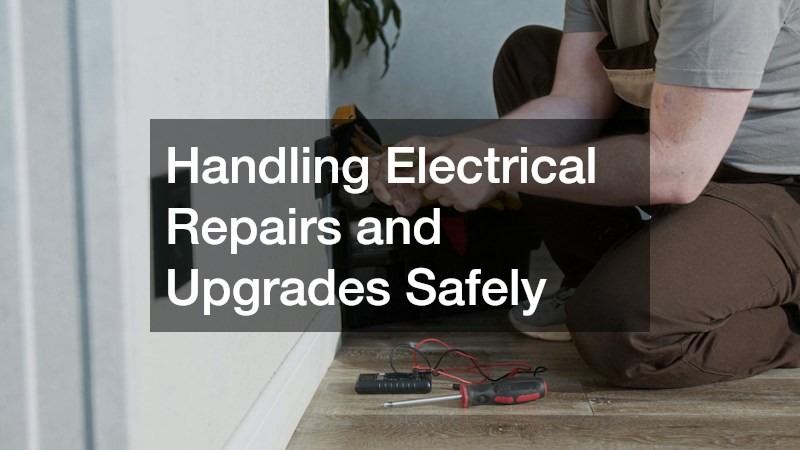
Electrical issues are not something to tackle casually, both for safety reasons and because faulty DIY work can void your homeowner’s insurance. Hiring a licensed electrician for panel upgrades, rewiring, or outlet installation ensures the work meets code and reduces the risk of fire hazards. While professional rates vary by region, getting at least two quotes helps you understand a fair price range for your specific project.
Small electrical updates can often be bundled together to save on service call fees. If you know you need a ceiling fan installed, a few outlets replaced, and a light fixture swapped, scheduling them in one visit is more cost-effective than calling for each separately.
Budgeting for Plumbing Repairs and Maintenance
Plumbing problems tend to escalate quickly if ignored, turning a minor drip into a major repair bill. Calling a plumber at the first sign of trouble, such as slow drains or unusual noises in the pipes, can prevent more expensive damage down the road. Routine maintenance, like flushing your water heater annually, also extends the lifespan of your plumbing system and reduces the likelihood of emergency calls.
Many plumbing companies offer maintenance plans or annual inspection packages that can catch small issues before they become costly repairs. These plans often cost less than a single emergency service call, making them a smart investment for older homes with aging pipes.
- Keep a list of trusted local plumbers so you are not scrambling during an emergency
- Ask about flat-rate pricing versus hourly rates before work begins
- Learn to shut off your main water valve in case of a sudden leak
- Consider upgrading old fixtures to reduce water waste and lower utility bills
Building or Repairing an Outdoor Deck on a Budget
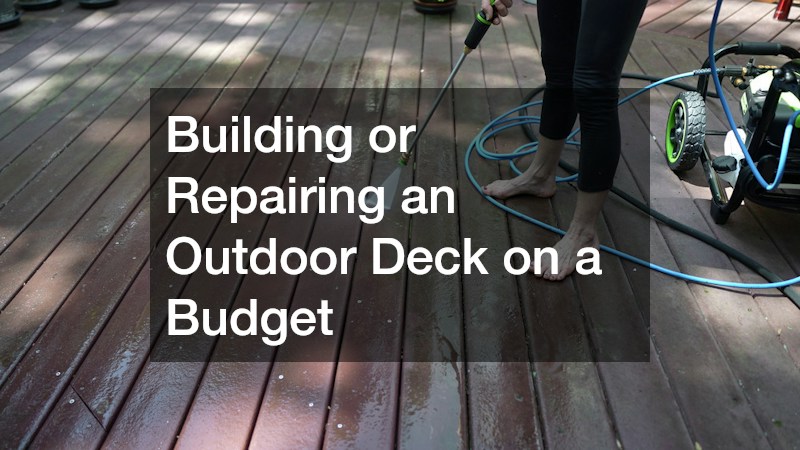
A deck adds valuable outdoor living space and can increase your home’s resale value, but the cost of materials and labor can add up fast, especially once you factor in railings, stairs, and permits. A basic 200-square-foot deck can run anywhere from $4,000 to $12,000 depending on materials and location, so getting multiple quotes matters. Working with a reputable deck company that offers transparent pricing helps you avoid surprise costs mid-project, since hidden fees for site prep, disposal, or structural adjustments can quietly inflate a budget. Composite decking costs more upfront than pressure-treated wood but requires far less maintenance over time, which can offset the price difference within a few years. Wood decks need annual staining or sealing to prevent rot and warping, which adds up in both money and weekend hours. Composite materials resist moisture, insects, and fading, and many manufacturers back them with 25-year warranties. If your existing deck is structurally sound but showing wear, repairing rather than rebuilding can save thousands. Replacing warped boards, sanding down splinters, and applying a fresh coat of sealant often costs a few hundred dollars instead of a full teardown. Ask your deck company to inspect the frame and footings first, since a solid substructure is usually the most expensive part to replace and the part worth preserving.
If your existing deck just needs repair rather than a full rebuild, tackling smaller issues like loose boards or rusted fasteners yourself can save on labor costs. A pry bar, a box of exterior-grade screws, and an afternoon are often all it takes to replace a handful of warped boards, which typically run $3 to $8 each depending on material. Rusted or corroded fasteners should be swapped for stainless steel or coated screws rated for outdoor use, since mismatched metals can accelerate corrosion and cause new boards to fail early. While you’re at it, check for soft or spongy spots underfoot, which often signal rot beneath the surface even if the top of the board looks fine. Pressure-washing the deck before repairs also helps reveal hidden cracks, mold, or splintering that aren’t visible under dirt and grime. Save the structural work, such as replacing support beams, footings, or ledger boards, for a professional who can guarantee the repair meets safety standards. These components bear the deck’s full weight and any local building codes governing them, so mistakes here pose real safety risks and can be costly to fix later. Getting a licensed contractor to handle just the structural portion, while you manage cosmetic repairs, is often a smart middle ground that keeps costs down without compromising safety.
Furnishing Your Home Without Paying Full Price Upfront
Furnishing an entire home at once is one of the fastest ways to blow through a budget, especially after a move or renovation. Rent to own furniture programs allow you to spread payments over time while still getting the pieces you need immediately, which can be especially helpful for large items like sofas, mattresses, and dining sets. This approach works best when you compare the total cost of the rental agreement against buying outright, since fees and interest can add up over a long contract term.
Secondhand and floor model furniture are also worth considering before committing to a rental agreement or a full-price purchase. Many furniture stores discount floor models significantly, and estate sales or online marketplaces often have quality pieces at a fraction of retail cost.
- Read the full rental agreement to understand total cost versus ownership terms
- Prioritize which rooms need furniture immediately versus which can wait
- Check return and buyout policies before signing
- Mix new and secondhand pieces to stretch your budget further
Protecting Your Home With Early Leak Detection
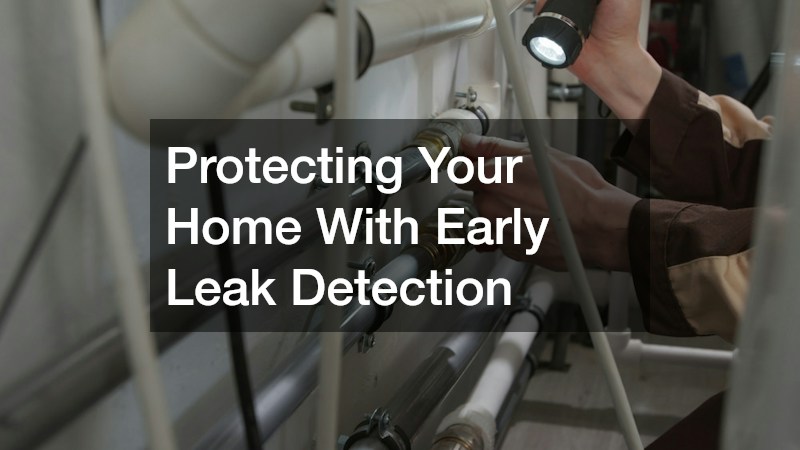
Water damage is one of the most expensive problems a homeowner can face, often costing thousands of dollars in repairs, and it typically goes unnoticed until the damage is extensive. A slow drip behind a washing machine or under a water heater can quietly rot flooring, warp cabinetry, and breed mold for weeks before anyone notices. Installing water leak detection systems near appliances, water heaters, and under sinks can alert you the moment moisture is detected, often before visible damage occurs. These systems range from simple battery-powered sensors that cost as little as $15 to $30 each to smart devices priced between $50 and $150 that send alerts directly to your phone via Wi-Fi. Basic sensors will sound a local alarm when they detect moisture, which works well for spaces you check regularly, like under a kitchen sink. Smart versions go further, some even pairing with automatic shutoff valves that stop water flow to the entire house the instant a leak is detected, which is especially valuable if you travel often or own a vacation property. When choosing placement, prioritize high-risk areas: behind refrigerators with ice makers, beneath dishwashers, near washing machine hoses, around toilet bases, and in basements prone to seepage. Many homeowners also install a sensor near the main water shutoff valve so it’s easy to respond quickly. Given that even a small, undetected leak can lead to thousands of dollars in mold remediation and structural repair, spending under $200 on a handful of sensors is one of the most cost-effective forms of home insurance you can buy.
A basic water sensor placed near a water heater, washing machine, or under a sink costs as little as $20 to $50, while whole-home leak detection systems that shut off your main water valve automatically run between $200 and $500 installed. Compare that to the average water damage claim, which the Insurance Information Institute puts at over $11,000, and the math becomes obvious. Even a slow, undetected leak behind a wall can lead to mold remediation costs running into the thousands. Many homeowners insurance providers offer discounts of 5% to 15% for installing leak detection technology, which can help offset the initial investment over time. It’s worth calling your provider directly to ask which specific devices or brands qualify, since some insurers maintain approved vendor lists. Beyond the financial savings, these systems buy you time. Smart sensors that pair with a phone app can alert you the moment moisture is detected, letting you shut off water remotely or call a plumber before a small drip becomes a soaked subfloor. For older homes with aging pipes, placing sensors near water heaters, washing machines, dishwashers, and under every sink is a low-cost way to catch problems early.
Keeping Your Garage Door Running Smoothly
A malfunctioning garage door is more than an inconvenience; it can be a security risk and, in some cases, a safety hazard if the mechanism fails unexpectedly. Regular maintenance, such as lubricating rollers and checking the balance of the door, can prevent many common issues from developing in the first place. When something does go wrong, scheduling garage door repairs promptly rather than waiting often keeps the job smaller and less expensive.
Homeowners should also pay attention to warning signs like grinding noises, slow response times, or a door that opens unevenly. Addressing these symptoms early usually costs far less than replacing an entire door system after a complete failure.
- Test the auto-reverse safety feature every few months
- Replace worn weather stripping to improve energy efficiency
- Avoid DIY spring repairs, as they carry significant injury risk
- Keep the garage door opener’s batteries fresh to prevent lockouts
Adding Storage Space With a Backyard Shed

Running out of storage space at home often leads people to consider a shed as a practical, budget-friendly alternative to a home addition. Working with experienced shed builders ensures the structure is properly anchored, weatherproofed, and built to local code requirements, which matters if you ever plan to sell your home. Prefabricated kits are typically the most affordable option, while custom builds cost more but can be tailored to match your home’s exterior.
Before starting a shed project, check with your local municipality about permit requirements and property line setbacks. Skipping this step can lead to fines or forced removal of the structure later, which ends up costing far more than the permit itself would have.
Choosing the Right Property Boundary Barrier
Fencing serves multiple purposes, from improving privacy and security to defining property boundaries and containing pets. Material choice has a major impact on cost, with chain link typically being the most budget-friendly option and wood or vinyl falling into a mid to higher price range depending on style and height. Getting quotes from a few different installers helps ensure you are paying a fair rate for both materials and labor in your area.
Maintenance requirements should factor into your decision as much as upfront cost. Wood fencing needs periodic staining or sealing to prevent rot, while vinyl and metal options generally require less upkeep over the long run, which can make them more economical over a decade of ownership.
Maintaining and furnishing a home does not have to mean choosing between necessary upgrades and financial stability. By researching contractors, comparing quotes, using flexible payment options where appropriate, and addressing small problems before they grow, you can keep your home in great shape without derailing your budget. Start by identifying which projects are most urgent, then tackle them one at a time using the strategies outlined above. A little planning now can save you significant money and stress down the road.