Turning your backyard or patio into a comfortable retreat shouldn’t mean draining your savings account. Between shade solutions, pest control, and climate systems, outdoor comfort upgrades can add up fast if you don’t plan carefully. The good news is that with a bit of strategy, you can prioritize projects, spread out costs, and still end up with a space you actually enjoy. This guide breaks down practical budgeting approaches for the most common outdoor comfort improvements homeowners tackle.
Setting Priorities Before You Spend a Dollar
Before requesting a single quote, sit down and rank what actually bothers you most about your outdoor space. Is it the bugs ruining every evening sit-down, the blazing sun making your deck unusable by noon, or an aging system struggling to keep the indoors comfortable? Writing out a simple priority list helps you avoid impulse purchases that don’t solve your biggest pain points. It also gives you a realistic starting point when you begin calling around for estimates.
Once you have your list, assign rough cost ranges to each item based on quick research. This early exercise often reveals surprising overlaps, like realizing that shade and pest issues might both be solved by a single structural addition. Think of this stage as a budgeting map rather than a final plan, since prices will shift once professionals assess your property.
Comparing Quotes From Multiple Roofing Companies
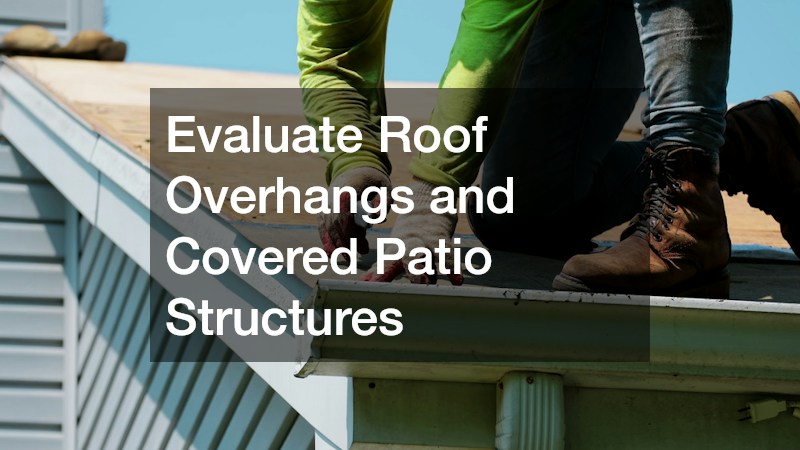
If your outdoor comfort project involves covering a patio, porch, or attached structure, your roof condition matters more than most homeowners realize. Before adding anything new, it pays to have your existing roof inspected, since a failing structure above will undermine any investment below it. A roofer can flag issues like soft decking, cracked flashing, or worn underlayment that won’t show up in a casual visual check from the ground. Getting estimates from at least three roofing companies lets you compare not just price but also warranty terms, material options, and timelines. Quotes can vary by thousands of dollars for the same job, depending on labor rates, crew size, and whether the company subcontracts work. Pay attention to what’s included, too — tear-off and disposal fees, permit costs, and cleanup can all be itemized differently from one bid to the next. When reviewing proposals, ask specifically about material warranties versus workmanship warranties, since the two often differ significantly in length and coverage. A 30-year shingle warranty means little if the installer only guarantees their labor for one or two years. It’s also worth asking how each company handles unexpected repairs, like rotted decking discovered mid-project, so you’re not blindsided by change orders later. Many homeowners are surprised to learn that minor repairs now can prevent a much costlier full replacement in a few years. Patching a small leak or replacing a few damaged shingles might run a few hundred dollars, while a full tear-off and reroof on an average home can easily reach into the five-figure range. Catching problems early not only protects your new patio cover or outdoor structure but also stretches your overall home improvement budget further.
Get at least three written quotes before committing to any roofing project, since pricing can vary by 20% or more between companies for the same scope of work. When reviewing quotes, ask each company to break down labor, materials, and disposal fees separately so you can spot inconsistencies. A lower bid isn’t always a better deal if it skips flashing repairs, skimps on underlayment, or uses a thinner shingle grade than competitors quoted. Pay attention to the warranty terms included in each estimate, since manufacturer warranties and workmanship guarantees can differ significantly even when material costs look similar. Some roofing contractors offer 10-year labor warranties while others provide only one or two years of coverage, which affects your long-term value even if the upfront price is higher. Request references and photos of completed projects similar in scope to yours, particularly ones involving the same roof style or material. Experienced roofing contractors should be able to provide this documentation without hesitation, which itself can be a sign of their reliability. If possible, drive by a past job site or call a former customer directly to ask about timeline accuracy and cleanup quality. This comparison process alone can save hundreds of dollars without sacrificing quality, and it also helps you budget more accurately for related outdoor comfort upgrades like gutter replacement or attic ventilation improvements that often get bundled into roofing projects.
Choosing Durable Shingle Options Without Overspending
The material you choose for your roof directly affects both your upfront cost and long-term maintenance budget. Asphalt shingle roofing remains one of the most budget-friendly choices for homeowners who want reliable protection without a premium price tag. It offers a solid balance of durability, curb appeal, and ease of repair, which matters if you’re trying to stretch your renovation dollars across multiple outdoor projects.
Higher-end materials like metal or tile last longer but require a bigger initial investment, so weigh your timeline for staying in the home before upgrading. If you’re budgeting in phases, starting with quality shingles now and saving for premium materials later is a reasonable compromise. Always ask your contractor about manufacturer warranties, since many shingle products now carry 25 to 50 year coverage that adds long-term value.
Hiring Experienced Porch Specialists for Shade Structures

A covered porch or pergola can transform an unused backyard corner into the most popular spot in the house. Working with skilled porch contractors ensures the structure is built to code, properly anchored, and integrated with your home’s existing rooflines so it doesn’t look like an afterthought. This matters more than most homeowners realize—a poorly flashed roof connection can lead to leaks and rot within a few seasons, turning a budget upgrade into an expensive repair. Experienced porch contractors can also advise on cost-effective materials that mimic pricier options, helping you stretch your design budget further. For example, composite beams and cellular PVC trim can replicate the look of cedar or painted wood for a fraction of the long-term maintenance cost, while aluminum roofing panels can mimic standing-seam metal at a lower price point. Before hiring, get at least three quotes and ask each contractor about permit requirements, expected timelines, and whether they offer phased builds. A phased approach—starting with footings and framing this year, adding screens or a roof the next—can spread costs over multiple budget cycles without compromising structural integrity. Always confirm licensing and insurance, and ask to see photos of comparable projects they’ve completed in your area.
Timing your project matters too. Scheduling porch construction during a contractor’s slower season, typically late fall or winter in most climates, can sometimes mean better pricing and faster turnaround, with some homeowners reporting discounts of 10% to 20% off peak-season quotes. Contractors are also more likely to negotiate on labor costs when their crews would otherwise be idle, so it doesn’t hurt to ask directly whether off-season rates are available. Ask about bundling smaller add-ons, like built-in seating, lighting, ceiling fans, or privacy screens, into the original project rather than tacking them on later, since that usually costs less overall. Mobilization fees, permit applications, and material delivery charges are often one-time costs; spreading them across a single larger project avoids paying them twice. It’s also worth requesting an itemized quote that separates labor, materials, and optional upgrades. This makes it easier to spot where you can trim costs, say, by choosing a stock cedar post instead of a custom-milled one, without renegotiating the entire contract later.
Budgeting for Retractable and Fixed Shade Coverings
Not every shade solution requires a full construction project. Retractable awnings offer a flexible, lower-cost way to control sun exposure on patios, decks, and windows without the commitment of a permanent structure. They typically cost less than a built roof extension and can be installed in a single day, making them a smart option for homeowners working with a tighter timeline or budget.
- Manual crank models are generally the most affordable option
- Motorized versions cost more but add convenience for frequent use
- Retractable designs let you maximize sun in cooler months and shade in summer
- Fixed canopies require less maintenance but offer less flexibility
- Fabric quality affects both price and lifespan, so ask about UV-resistant options
Controlling Bugs and Pests for Comfortable Evenings Outside
No amount of money spent on furniture or lighting matters if mosquitoes drive everyone indoors by dusk. Professional mosquito removal services typically use a combination of larvicide treatments and barrier sprays that target breeding areas like standing water, dense shrubs, and shaded soil. Many companies offer seasonal contracts that end up costing less per treatment than one-off visits, which is worth considering if your yard has a persistent problem.
You can also reduce costs by handling simple prevention yourself between professional visits. Dumping standing water weekly, trimming overgrown vegetation, and installing simple fans on your patio all reduce mosquito activity without added expense. Combining DIY habits with periodic professional treatment usually delivers better results than relying on either approach alone.
Planning Ahead for a New Air Conditioning Installation
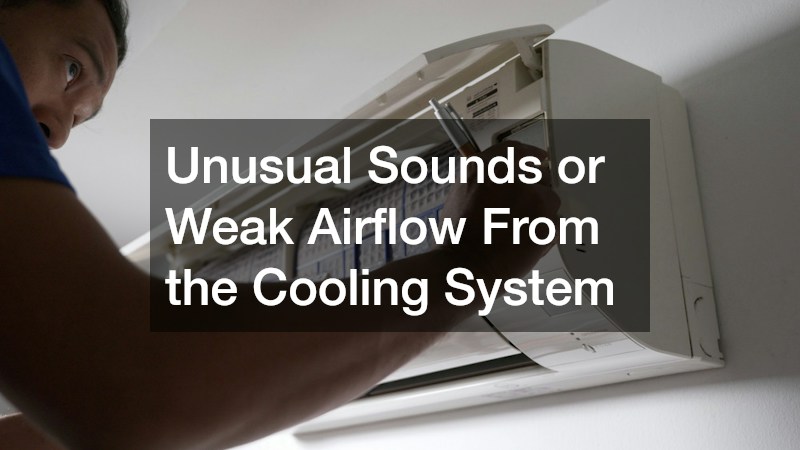
If your outdoor comfort goals extend to covered porches or three-season rooms, you may find your existing cooling system isn’t equipped to handle the added square footage. Planning a proper AC installation before the weather turns extreme gives you more time to compare units, financing options, and contractor availability. Waiting until a heatwave hits often means paying rush fees and settling for whatever equipment is in stock.
Sizing matters more than most homeowners expect. An undersized unit will run constantly without ever cooling effectively, while an oversized one cycles on and off too quickly to properly manage humidity. A qualified technician should perform a load calculation based on your home’s square footage, insulation, and window placement before recommending equipment, which helps you avoid paying for more capacity than you actually need.
Keeping Existing Systems Running With Routine Maintenance
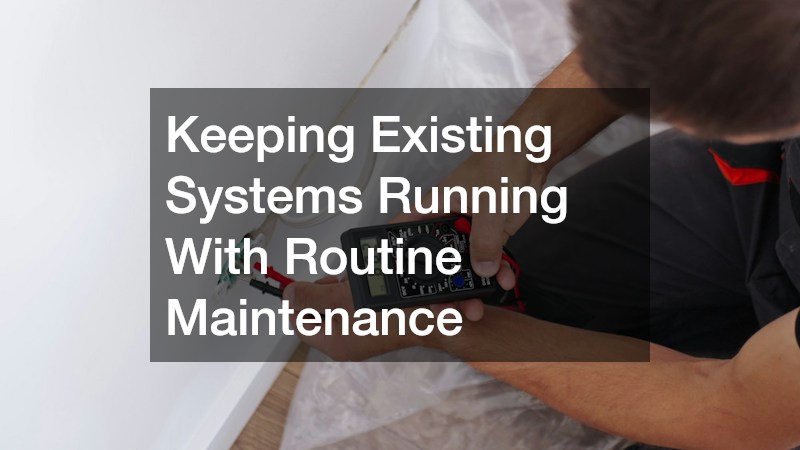
Not every comfort upgrade requires new equipment. Scheduling regular AC repairs before small issues become major breakdowns is one of the most cost-effective habits a homeowner can build. A refrigerant leak or failing capacitor caught early might cost a fraction of what a full compressor replacement would run later in the season. A seasonal tune-up typically runs $75 to $200, while a neglected system that fails outright can mean repair bills of $1,500 or more—or a replacement costing several thousand dollars. Simple tasks like swapping air filters every one to three months, clearing debris from outdoor condenser units, and cleaning coils can meaningfully extend a system’s lifespan while keeping energy bills in check. It’s also worth booking a professional inspection each spring before peak cooling season hits. Technicians can spot warning signs—strange noises, uneven cooling, or rising humidity indoors—that homeowners often miss until the unit stops working entirely. Catching these problems early keeps your outdoor comfort budget focused on upgrades rather than emergency fixes.
The same logic applies to your heating system, especially if your outdoor living space connects to an enclosed sunroom or converted garage. These transitional spaces put extra strain on your HVAC equipment since they’re exposed to outdoor temperature swings while still needing to feel comfortable year-round. A unit working overtime to heat or cool these spaces wears out faster, making preventive care even more valuable. Bundling air conditioning and heating repair into a single seasonal maintenance visit often costs less than calling for emergency service twice a year. Most technicians charge somewhere between $75 and $200 for a routine tune-up, compared to $150 to $450 or more for an emergency after-hours repair call. Scheduling one visit in spring to check your AC and another in fall to inspect your furnace or heat pump also helps catch small issues, like a worn belt or low refrigerant, before they turn into costly breakdowns. Ask your technician about maintenance plans, since many companies offer discounted rates for customers who commit to annual checkups. These plans often include perks like priority scheduling during peak summer or winter demand, waived diagnostic fees, and discounts of 10 to 20 percent on any parts or repairs needed. Over several years, that added coverage can offset the plan’s cost many times over while keeping your outdoor-adjacent living spaces consistently comfortable.
Addressing Hidden Yard Issues That Affect Comfort and Cost
Outdoor comfort isn’t only about what you can see above ground. A septic system that’s struggling will eventually make itself known through odors, soggy patches, or slow drains, none of which pair well with a freshly built patio. Investing in drain field repair before you landscape or build over the affected area prevents the frustrating scenario of tearing up new hardscaping to fix a problem that was there all along.
Getting a septic inspection early in your planning process is a smart, low-cost way to avoid expensive surprises. If repairs are needed, tackling them before pouring concrete or installing structures saves you from redoing work later. Think of this step as protecting your other investments, since no amount of nice furniture or lighting makes up for a yard that smells like a problem.
Budgeting for outdoor comfort upgrades works best when you treat it as an ongoing plan rather than a single purchase. Start with the issues causing you the most daily frustration, get multiple quotes, and don’t be afraid to phase bigger projects over a season or two. Small, consistent investments in maintenance and smart upgrades add up to a backyard you’ll actually want to spend time in. Take the next step by listing your top three priorities this week and reaching out to local professionals for estimates.