Hosting a large outdoor gathering can quickly turn into a logistical puzzle, from keeping guests comfortable to managing the trash, water, and power demands that come with a crowd. Many hosts end up overspending on energy, overbuying supplies, or scrambling for last-minute fixes when something breaks down mid-party. With a bit of planning, you can cut waste, lower your environmental footprint, and still throw an event people will remember for the right reasons. This guide walks through practical, concrete steps for reducing energy use and waste at your next big outdoor event.
Plan Your Guest Count and Layout Before You Rent Anything
Overestimating attendance is one of the biggest drivers of waste at outdoor events, leading hosts to order too much food, too many supplies, and oversized equipment that sits half-used. Start with a realistic headcount based on RSVPs, then build your rental and purchasing decisions around that number rather than a worst-case guess. A tighter layout also reduces the distance guests walk between stations, which cuts down on how much lighting and heating or cooling equipment you need to cover the space.
Mapping your event space in advance helps you identify where high-traffic zones will form, so you can concentrate resources there instead of spreading them thin across the whole yard.
- Use a simple site map to mark food, seating, and restroom locations before ordering equipment
- Group activities close together to reduce lighting and power sprawl
- Confirm final headcount 48-72 hours before the event to adjust orders
- Leave buffer space for walkways without overbuilding the footprint
Choose Energy Efficient Lighting and Power Sources
Traditional incandescent string lights and gas generators are two of the biggest energy drains at outdoor parties, often running for hours longer than necessary. Swapping to LED string lights and solar-powered path lighting can cut your lighting energy use dramatically while still creating the ambiance guests expect. If you need backup power for music, blenders, or food warmers, look into renting a smaller, fuel-efficient generator sized to your actual load rather than defaulting to the biggest unit available.
Timers and motion sensors are an easy way to avoid leaving lights or fans running when no one is in that part of the yard. This small adjustment adds up over a multi-hour event and reduces both fuel costs and noise pollution for neighbors.
- Choose LED or solar lighting over incandescent strands
- Rent a right-sized generator instead of an oversized one
- Use timers so lighting only runs during active hours
- Position lighting to illuminate gathering areas, not the entire yard
Keep Guests Comfortable Without Overworking Your Cooling System
If part of your gathering spills into an air-conditioned space, like a garage, sunroom, or finished basement, the extra foot traffic and open doors can strain your home’s cooling system right when you need it most. Scheduling a quick inspection before the event helps you catch small issues before they become a mid-party breakdown. A professional AC repair visit a week or two in advance can confirm your system is running efficiently and won’t struggle under the added load of open doors and extra bodies moving through the house.
Simple habits during the event also help reduce strain on indoor cooling. Keeping doors closed when possible, using fans to supplement airflow outdoors, and setting up shaded seating areas outside can all reduce how hard your indoor unit has to work.
- Schedule a pre-event tune-up so small issues don’t become breakdowns
- Prop open only one indoor-outdoor access point to limit cool air loss
- Use shade sails, umbrellas, or tree cover to reduce reliance on indoor AC
- Keep indoor gathering spaces to a minimum if the event is primarily outdoors
Set Up Waste Stations That Actually Get Used
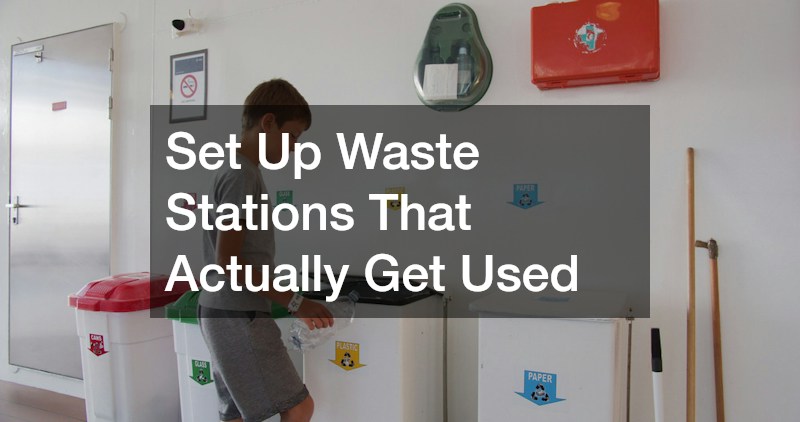
Waste sorting only works if it is easy and obvious, so place clearly labeled bins for trash, recycling, and compost at every major gathering point, not just one central location. Guests are far more likely to sort correctly when bins are within a few steps of where they are eating or drinking. Using clear signage with simple icons, rather than just text, also helps non-native speakers and kids sort waste correctly.
Compostable or reusable serveware can meaningfully cut down on landfill waste, especially for multi-hour events where disposable plates and cups pile up fast. If you are using disposables, choose compostable options and make sure you actually have a composting bin on site, since compostable items thrown in regular trash still end up in a landfill.
- Place a trash, recycling, and compost bin together at each station
- Use picture-based signage for clarity
- Choose reusable cups or compostable serveware over standard plastic
- Assign someone to check and empty bins midway through the event
Plan Restroom Needs to Avoid Overuse of Indoor Facilities
Large gatherings put heavy demand on household plumbing, and a steady stream of guests using one or two indoor bathrooms can lead to long lines, water waste, and unnecessary strain on your home’s water heater and septic system. Every flush and handwashing session draws hot water, and when dozens of guests cycle through over several hours, that demand adds up quickly, sometimes faster than your water heater can recover. For gatherings over about twenty-five guests, bringing in porta potty rentals is often more practical than relying on indoor facilities. A good rule of thumb is one unit per 50 guests for events lasting up to four hours, with an extra unit added for longer parties or if alcohol is being served, since that tends to increase bathroom frequency. Many rental companies also offer upgraded options with sinks or hand sanitizer stations attached, which helps guests avoid trekking inside altogether. Keeping foot traffic outside also protects your floors and septic system from the wear that comes with constant use. Septic systems in particular are vulnerable to sudden spikes in water volume, and overloading one during a party can lead to backups or costly service calls down the line. Positioning rental units away from food and seating areas, but still within easy walking distance, helps maintain both convenience and comfort. This approach also reduces the energy your water heater uses to keep up with constant handwashing and flushing demand, which means lower utility costs and less mechanical strain after the event is over.
If you want something that feels more upscale for a wedding, milestone birthday, or corporate event, luxury portable restrooms offer climate control, running water, flushing toilets, and nicer finishes like vanity sinks, mirrors, and even hardwood-style flooring, while still keeping guests out of your home’s plumbing system. Many trailers also include separate stalls for men and women, overhead lighting, and sound systems, which makes them feel closer to a hotel restroom than a traditional portable toilet. For a gathering of 75 to 150 guests, a two- to four-stall restroom trailer is usually enough, and rental companies can help you calculate the right ratio based on event length and whether alcohol will be served. They are a practical middle ground between a basic unit and opening up your entire house to foot traffic, since guests never have to track mud or grass clippings across your floors. These trailers also tend to use far less water per use than a typical indoor bathroom running all day, often relying on low-flow fixtures and self-contained holding tanks rather than a continuous supply line. That means less strain on your home’s water heater and septic or sewer system during peak hours, when dozens of guests might otherwise be cycling through your bathrooms back to back.
- Plan for one restroom unit per 50 guests as a general rule; add extra units if the event runs longer than 4 hours or alcohol is served, since both increase usage
- Consider upgraded units (flushing toilets, climate control, attendants) for formal or multi-hour events to keep guests from retreating indoors
- Keep units away from food and seating areas for comfort, ideally with a clear sightline but at least 20 feet of separation
- Place units on level, stable ground near a driveway or path for easy delivery and servicing
- Factor in handwashing stations to reduce water use indoors — portable foot-pump or solar-heated models cut both water and energy draw
- Add clear signage and lighting for nighttime events so guests aren’t tempted to use indoor bathrooms out of convenience
Use Smart Shelter Solutions Instead of Running Climate Control Outdoors
Trying to heat or cool an open outdoor space is inefficient almost by definition, since there is no way to contain the conditioned air. Instead of running portable heaters or misting fans at full blast all day, consider a temporary shelter structure that can moderate temperature more effectively by blocking wind, direct sun, or rain. Clear span buildings are a popular option for larger events because they offer wide, column-free interiors that can be set up temporarily on a lawn or driveway without permanent construction.
These structures can house seating, a buffet line, or a dance floor while reducing the number of standalone heaters, fans, or lighting rigs you would otherwise need scattered across the yard. Because the space is enclosed, whatever heating or cooling you do use works more efficiently than it would in a fully open-air setup.
- Use temporary shelter to block wind, sun, or rain rather than fighting it with equipment
- Consolidate seating and activities under one structure to cut down on scattered power needs
- Look into rental sizing options based on guest count
- Pair shelter with fans or heaters only as needed, not as a default
Reduce Food and Drink Waste With Better Planning
Food waste is one of the most overlooked sources of environmental impact at large events, often driven by over-catering or offering too many redundant options. Planning a tighter menu with two or three solid choices per course tends to produce less waste than a sprawling buffet where guests take a little bit of everything and finish none of it. Ordering from caterers who offer realistic portion guidance based on your actual headcount also helps avoid excess.
Leftover food should have a plan before the event even starts, whether that means guest take-home containers, a donation drop-off, or simply freezing extras for later. Drinks are another common waste source, so consider bulk dispensers or kegs instead of individual bottles and cans to cut down on both packaging waste and the energy used to produce and ship single-serve containers.
- Keep the menu focused rather than offering excessive variety
- Arrange take-home containers for guests before the event ends
- Use bulk beverage dispensers instead of single-serve bottles
- Coordinate with caterers on portion sizes based on confirmed headcount
Cutting waste and energy use at a large outdoor gathering comes down to planning ahead rather than reacting in the moment. Small decisions, like right-sizing your lighting, choosing the correct restroom setup, and keeping your home’s systems running smoothly, add up to a noticeably smoother and more sustainable event. Start by mapping out your guest count and layout, then work through each system one at a time so nothing gets left to the last minute. Your guests will notice the comfort and organization, even if they never realize how much thought went into the details behind the scenes.