- Sustainable backyard gardening focuses on conserving resources while maintaining healthy soil, plants, and local ecosystems.
- Simple practices like composting, mulching, and collecting rainwater can significantly reduce waste and water usage.
- Choosing native plants and practicing crop rotation helps gardens thrive with fewer chemicals and less maintenance.
- Encouraging beneficial insects and using natural fertilizers supports a balanced and eco-friendly garden environment.
- Improving soil health through compost and minimal tilling creates stronger plants and long-term garden productivity.
Backyard gardening has become increasingly popular as homeowners look for ways to grow their own food and create greener outdoor spaces. However, traditional gardening methods can sometimes waste water, rely on chemical products, or deplete soil nutrients over time. Sustainable gardening focuses on practices that protect the environment while still producing healthy plants and beautiful landscapes.
By making small changes in the way you care for your garden, you can reduce waste, conserve natural resources, and support local ecosystems. Sustainable gardening does not require expensive tools or complicated systems. In fact, many of the most effective methods are simple and easy to adopt.
In this article, you will learn practical strategies that can help you maintain a productive and eco-friendly backyard garden. These sustainable gardening practices are beginner-friendly and can be applied whether you are growing vegetables, herbs, or ornamental plants.
What Is Sustainable Backyard Gardening and Why Does It Matter?
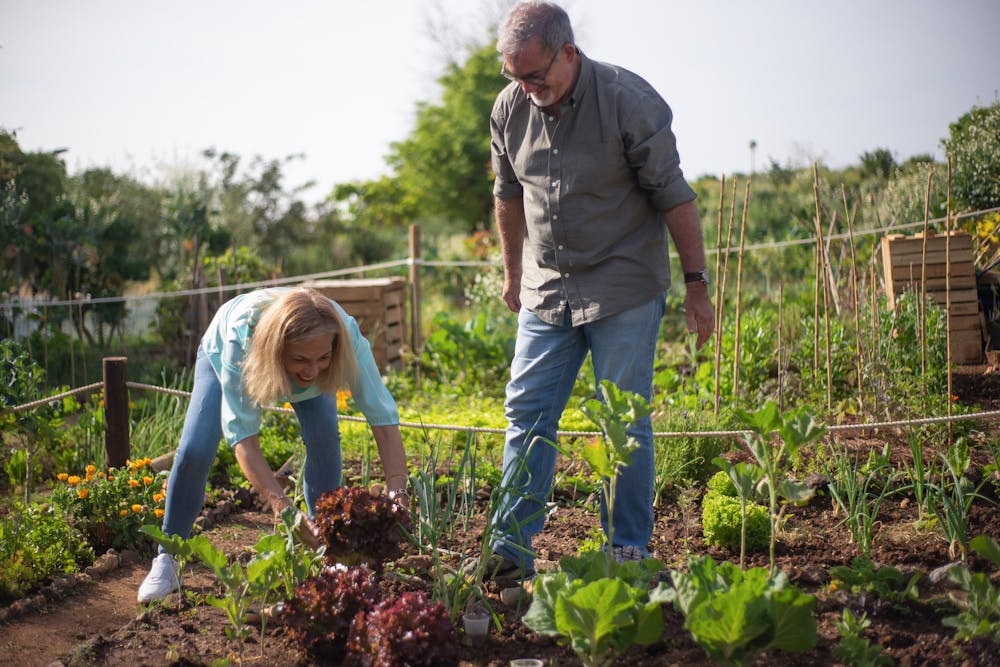
Sustainable gardening focuses on maintaining a healthy balance between plants, soil, water, and local wildlife. Instead of relying heavily on synthetic fertilizers and pesticides, sustainable gardeners prioritize natural processes that support long-term garden health. The goal is to grow plants in a way that protects the environment while improving soil quality and biodiversity.
Adopting sustainable practices also benefits homeowners directly. Gardens that follow eco-friendly methods often require less maintenance, fewer costly inputs, and lower water consumption. Over time, the soil becomes richer, plants become more resilient, and the entire garden ecosystem becomes easier to manage.
If you are looking for practical gardening tips that are both environmentally friendly and effective, sustainable backyard gardening offers the perfect approach. Even small adjustments to your gardening routine can have a positive impact on your plants and the surrounding environment.
Sustainable Backyard Gardening Practices You Can Start Today
Transitioning to a more sustainable garden does not require a complete overhaul of your backyard. Many eco-friendly practices can be introduced gradually as you continue caring for your plants. The key is to focus on methods that conserve resources, support soil health, and encourage natural plant growth.
These sustainable gardening habits are easy to follow and suitable for gardeners of all experience levels. Whether you have a large backyard garden or a small planting area, these practices can help you create a greener and more productive outdoor space.
1. Start Composting Kitchen and Garden Waste
Composting is one of the most effective ways to recycle organic materials while enriching your garden soil.
Benefits of composting include:
- Reducing household waste
- Improving soil structure
- Providing natural nutrients for plants
You can compost fruit scraps, vegetable peels, coffee grounds, dried leaves, and grass clippings. Over time, these materials break down into nutrient-rich compost that can be mixed into garden beds.
2. Choose Native and Climate-Appropriate Plants
Native plants are naturally adapted to your local environment, which makes them easier to grow and maintain.
Advantages of native plants include:
- Lower water requirements
- Greater resistance to pests and diseases
- Better support for local pollinators
Selecting plants suited to your region reduces the need for chemical treatments and excessive watering.
3. Collect and Use Rainwater
Rainwater harvesting is a simple yet powerful sustainability practice. By installing rain barrels under your roof gutters, you can collect water that would otherwise go to waste.
This stored rainwater can be used to:
- Water garden beds
- Irrigate container plants
- Reduce reliance on municipal water supplies
Rainwater is also free of many chemicals found in treated tap water, making it beneficial for plants.
4. Mulch Your Garden Beds
Mulching helps maintain healthy soil while reducing maintenance tasks.
Common mulch materials include:
- Wood chips
- Straw
- Dried leaves
- Grass clippings
Mulch helps retain soil moisture, regulate temperature, and suppress weeds, allowing plants to grow more efficiently.
5. Practice Crop Rotation
If you grow vegetables regularly, rotating crops each season is important for soil health.
Crop rotation helps:
- Prevent soil nutrient depletion
- Reduce pest and disease buildup
- Improve plant growth over time
For example, avoid planting the same vegetable family in the same spot year after year.
6. Encourage Beneficial Insects
Not all insects are harmful to gardens. Many species actually help control pests and pollinate plants.
To attract beneficial insects:
- Grow flowering plants such as marigolds and sunflowers
- Avoid chemical pesticides
- Provide small water sources for pollinators
A healthy insect population contributes to a balanced garden ecosystem.
7. Reduce Chemical Fertilizers
Chemical fertilizers can provide quick plant growth but may harm soil organisms in the long run.
Instead, try natural alternatives such as:
- Compost
- Organic fertilizers
- Aged manure
These options nourish the soil while supporting long-term fertility.
8. Plant Companion Crops
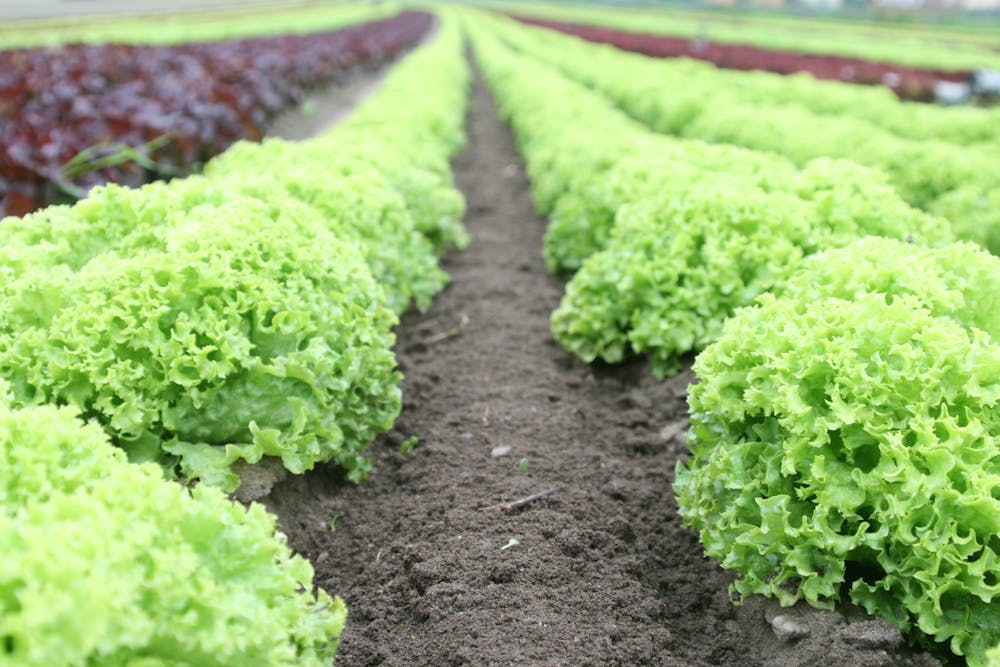
Companion planting involves growing plants that benefit each other when placed together.
Examples include:
- Tomatoes and basil
- Carrots and onions
- Lettuce and radishes
This method can improve growth, deter pests, and maximize garden space.
9. Grow Your Own Herbs and Vegetables
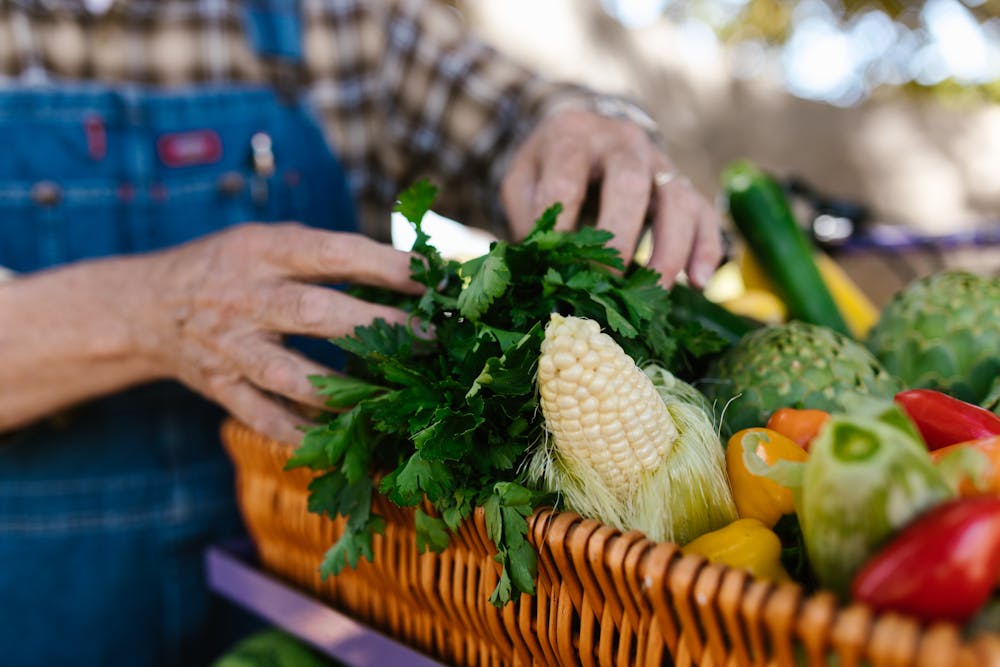
Growing edible plants in your backyard reduces reliance on store-bought produce and lowers your environmental footprint.
Homegrown foods are often:
- Fresher
- More nutritious
- Free from excessive packaging
Even small gardens can produce herbs, leafy greens, and vegetables throughout the year.
10. Improve Soil Health Naturally
Healthy soil is the foundation of sustainable gardening. Rather than disturbing the soil frequently, focus on maintaining its natural structure.
Ways to improve soil health include:
- Adding compost regularly
- Using cover crops
- Avoiding excessive tilling
Over time, these practices help build rich, fertile soil that supports strong plant growth.
Final Thoughts
Sustainable gardening is not about perfection but about making thoughtful choices that support the environment. By adopting eco-friendly gardening habits, you can create a backyard that is both productive and environmentally responsible.
The practices discussed in this article are simple, practical, and accessible to gardeners at any skill level. Whether you are composting organic waste, collecting rainwater, or planting native species, each step contributes to a healthier garden ecosystem.
With consistent care and sustainable methods, your backyard garden can become a thriving space that benefits both your household and the planet.