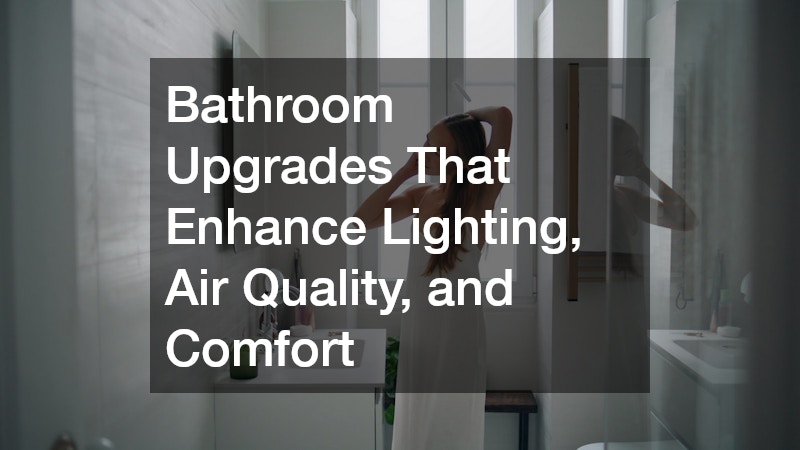
Bathrooms play a far more significant role in daily life than many homeowners realize. They are among the most frequently used spaces in any home, serving as places for personal care, preparation, relaxation, and quiet moments of transition between the day’s responsibilities. When a bathroom feels dim, stale, or uncomfortable, those small frustrations can compound over time, subtly affecting mood, energy levels, and overall satisfaction with the home. Thoughtful design choices can change that experience entirely, turning an ordinary bathroom into a bright, breathable, and calming environment that supports both physical comfort and mental well-being.
Modern homeowners are increasingly focused on how lighting, air quality, and comfort intersect. Natural and layered lighting can reduce eye strain and improve visibility, while proper ventilation and moisture control help maintain healthier indoor air. Comfort-driven features—such as improved layouts, better materials, and quieter systems—make daily routines feel less rushed and more restorative. These goals are not about luxury for its own sake; they are about creating spaces that function better and feel better to use.
Improving Natural and Layered Lighting for Daily Use
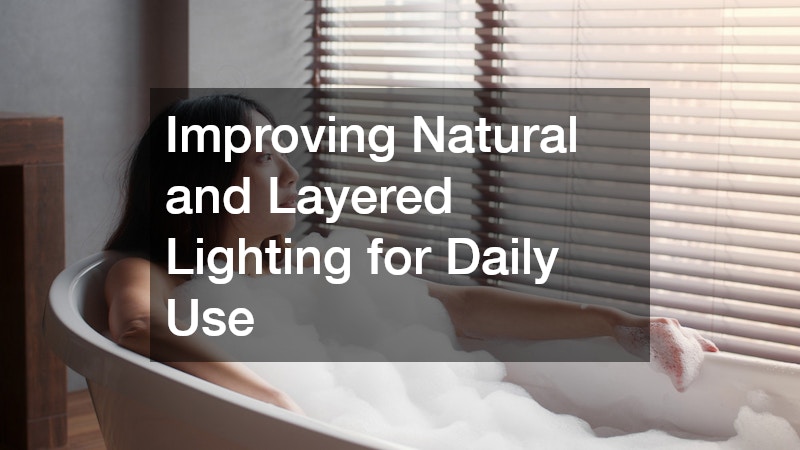
Lighting is one of the most influential elements in bathroom design, yet it is often treated as an afterthought. Poor lighting can make a bathroom feel cramped, dated, and uncomfortable, whereas well-planned lighting enhances functionality and creates a more inviting atmosphere. One of the most impactful bathroom upgrades involves balancing natural light with layered artificial lighting to ensure the space is usable at all times of day.
Natural light is highly valued because it renders colors accurately and creates a sense of openness. Windows, light wells, and thoughtfully placed openings allow daylight to reach areas that would otherwise feel enclosed. When privacy is a concern, homeowners can rely on treatments that soften light rather than block it completely. This is where solar shades become particularly useful, as they allow daylight to filter through while limiting glare and maintaining privacy. By diffusing sunlight, these solutions help bathrooms feel brighter without exposing the space to view outside.
Another benefit of upgraded lighting is energy efficiency. Modern LED fixtures consume less electricity and generate less heat, contributing to comfort and lower utility costs. Dimmers further enhance flexibility, allowing homeowners to adjust brightness based on time of day or activity. Together, these lighting strategies create a bathroom that feels welcoming, functional, and adaptable, reinforcing how intentional bathroom upgrades can significantly improve everyday comfort.
Enhancing Air Quality Through Ventilation and Moisture Control
Bathrooms are uniquely prone to humidity, which can negatively affect air quality if not properly managed. Steam from showers and baths creates an environment where moisture can linger, leading to discomfort, odors, and long-term maintenance concerns. One of the most important bathroom upgrades focuses on improving ventilation to ensure fresh air circulation and effective moisture removal.
High-quality exhaust fans are essential for controlling humidity. Modern fans operate more quietly and efficiently than older models, encouraging consistent use. Some systems include humidity sensors that activate automatically when moisture levels rise, preventing condensation from settling on walls, ceilings, and fixtures. Properly sized fans ensure that air is exchanged at an appropriate rate for the room’s square footage.
Plumbing maintenance also plays a role in maintaining healthy air. Persistent moisture from leaks or clogged drains can introduce unpleasant odors and increase humidity levels beyond what ventilation alone can handle. Addressing drainage issues promptly prevents standing water and reduces the risk of mold growth. Even small plumbing inefficiencies can compromise air quality over time if left unresolved.
Material choices further support air quality goals. Moisture-resistant drywall, mold-inhibiting paints, and non-porous surfaces help prevent water absorption that can trap odors. These materials are particularly effective when paired with consistent ventilation. Homeowners often find that once airflow improves, the bathroom feels fresher and more comfortable immediately after use.
Thoughtful layout decisions can encourage natural air movement. Adequate spacing between fixtures and unobstructed pathways for air circulation contribute to a healthier environment. By prioritizing ventilation and moisture control, homeowners ensure that bathroom upgrades deliver lasting improvements not just in appearance, but in overall indoor comfort and air quality.

Choosing Durable Surfaces That Support Comfort and Cleanliness
Surface materials in a bathroom do more than define its visual style; they also affect comfort, maintenance, and long-term performance. Selecting the right finishes is a critical part of effective bathroom upgrades, especially when the goal is to improve air quality and ease of use. Durable, low-porosity materials help maintain a cleaner environment and reduce the effort required for upkeep.
Floors and walls must withstand constant exposure to moisture, temperature changes, and cleaning products. Materials sourced from experienced tile and marble companies offer a balance of durability and refined appearance. Porcelain and ceramic tiles resist water absorption, while properly sealed stone surfaces provide a natural aesthetic without compromising performance. These materials are easier to clean, reducing the likelihood of residue buildup that can affect air quality.
Comfort underfoot is another important consideration. Textured tiles provide slip resistance, improving safety without sacrificing style. Radiant heating systems installed beneath tile floors can further enhance comfort, making cold mornings more pleasant. This combination of safety and warmth illustrates how thoughtful material choices elevate everyday experiences.
Wall finishes also play a role in cleanliness and comfort. Large-format tiles reduce grout lines, minimizing areas where moisture and dirt can accumulate. Smooth, continuous surfaces are easier to wipe down, helping maintain a fresh appearance with minimal effort. When surfaces stay cleaner, the bathroom feels more inviting and hygienic. By investing in high-quality surfaces, homeowners ensure that their bathroom upgrades stand up to daily use while supporting a healthier environment. Durable materials not only enhance visual appeal but also contribute to long-term comfort and cleanliness, making them a foundational element of any well-planned bathroom improvement project.
Creating a Comfortable Color Palette and Finish Strategy
Color and finish choices have a profound effect on how a bathroom feels. Light-reflective colors can make a small space appear larger and brighter, while muted tones promote calm and relaxation. One of the more subtle yet impactful bathroom upgrades involves selecting finishes that enhance lighting and create a comfortable visual atmosphere. Lighter wall colors reflect both natural and artificial light, reducing the need for excessive fixtures. Soft whites, warm neutrals, and pale pastels contribute to an open, airy feel without appearing sterile. These tones work particularly well in bathrooms with limited natural light, amplifying brightness and improving visibility.
A professional application is essential for achieving a polished result. Experienced local painting companies understand how humidity and surface preparation affect paint performance in bathrooms. Using moisture-resistant paints designed for high-humidity environments prevents peeling and discoloration over time. This attention to detail ensures that walls remain attractive and easy to maintain.
Finish selection also influences comfort. Satin and semi-gloss finishes reflect light effectively and resist moisture, making them ideal for bathroom walls and ceilings. However, overuse of high-gloss finishes can create glare, so balance is key. Combining different finishes strategically allows homeowners to highlight architectural features without overwhelming the space.
Coordinating colors across walls, cabinetry, and fixtures creates visual harmony. When the bathroom feels cohesive, it naturally feels more comfortable and intentional. These design decisions may seem minor, but they play a significant role in how bathroom upgrades contribute to daily comfort, making the space feel thoughtfully designed rather than merely functional.

Optimizing Storage and Layout for Everyday Comfort
Clutter can undermine even the most beautifully designed bathroom. Limited storage leads to crowded countertops and disorganized spaces, which can make daily routines feel stressful. One of the most practical bathroom upgrades focuses on optimizing storage and layout to support comfort and efficiency.
Cabinetry is central to this effort. Choosing quality options from wholesale cabinets suppliers allows homeowners to access durable storage solutions that maximize space without exceeding budget constraints. Well-designed cabinets provide dedicated areas for toiletries, linens, and cleaning supplies, keeping surfaces clear and easy to clean.
Layout adjustments can further enhance comfort. Repositioning vanities, toilets, or showers may improve traffic flow and make the room feel more spacious. Even small changes, such as relocating towel bars or adding recessed shelving, can significantly improve usability. When everything has a designated place, the bathroom feels calmer and more organized.
Storage solutions should be tailored to household needs. Deep drawers accommodate larger items, while adjustable shelving allows flexibility as storage requirements change. Thoughtful interior organizers prevent items from shifting and becoming disordered. These features support efficient routines and reduce the time spent searching for essentials.
Comfort also extends to accessibility. Ensuring that storage is within easy reach reduces strain and improves usability for all household members. By prioritizing smart storage and layout decisions, homeowners can ensure that bathroom upgrades enhance not only the appearance of the space but also the comfort and ease of daily life.
Integrating Natural Light With Architectural Features
Architectural elements that introduce daylight can transform the bathroom experience. Natural light enhances mood, improves visibility, and reduces reliance on artificial lighting. Incorporating these features is among the most impactful bathroom upgrades for homeowners seeking brighter, more comfortable spaces.
Roof-mounted solutions such as skylights bring sunlight directly into the bathroom, even in homes where wall windows are limited. Properly installed units distribute light evenly and can include glazing options that minimize heat gain while maximizing brightness. This infusion of daylight makes the space feel more open and welcoming.
Vertical openings also contribute to natural light flow. A well-placed sliding glass door leading to an adjacent area, such as a private patio or enclosed courtyard, can introduce additional light while maintaining privacy. Frosted or textured glass ensures discretion without sacrificing illumination.
These architectural features often improve ventilation as well. Operable skylights and doors allow warm, humid air to escape naturally, complementing mechanical ventilation systems. This dual benefit supports both lighting and air quality goals.
When integrating natural light, it is important to consider orientation, privacy, and energy efficiency. Professional planning ensures that openings enhance comfort without creating glare or heat issues. Thoughtfully executed, these bathroom upgrades leverage architectural elements to create spaces that feel naturally bright, balanced, and comfortable throughout the day.
Supporting Fresh Air Flow With Transitional Features
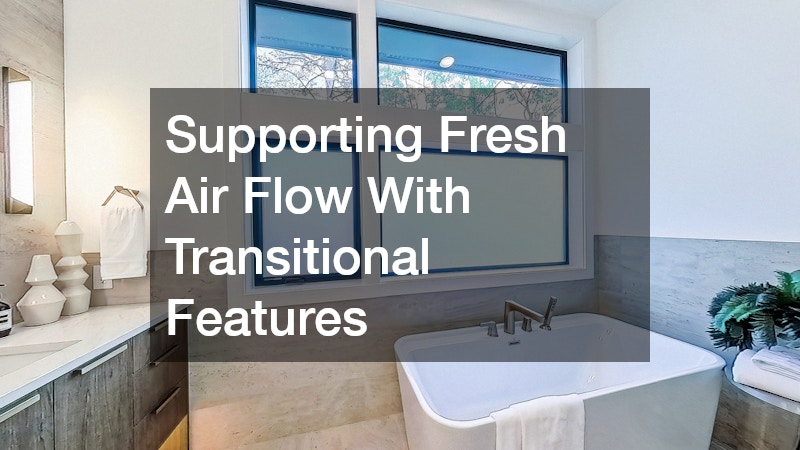
Bathrooms benefit from features that blur the boundary between indoor and outdoor spaces while maintaining comfort and privacy. Transitional design elements can enhance airflow, reduce humidity, and improve overall usability. Incorporating these ideas is another effective approach to meaningful bathroom upgrades.
One option involves installing retractable screens in conjunction with windows or doors. These screens allow fresh air to circulate while keeping insects and debris out. When not in use, they retract discreetly, preserving the bathroom’s clean aesthetic. This flexibility makes it easier to enjoy natural ventilation during mild weather.
Cross-ventilation is particularly effective in bathrooms connected to adjacent spaces. When air can enter and exit through different openings, moisture dissipates more quickly. This reduces reliance on exhaust fans and helps maintain a fresher environment naturally.
Coordinating Renovation Efforts for Efficiency and Comfort
Successful bathroom improvements often require coordination among multiple trades and planning steps. Managing these elements effectively ensures that bathroom upgrades are completed efficiently and with minimal disruption. Early planning plays a critical role in maintaining comfort throughout the renovation process.
Waste management is one practical consideration. During demolition and material replacement, using dumpster rental services helps keep the work area organized and safe. Proper disposal reduces clutter and allows contractors to work more efficiently, minimizing downtime and inconvenience.
Collaboration with experienced professionals is equally important. A knowledgeable local home builder understands how different systems—plumbing, electrical, ventilation, and structural components—interact within a bathroom. This holistic perspective helps prevent conflicts and ensures that upgrades support long-term comfort and performance.
By approaching renovation as a coordinated effort rather than a series of isolated tasks, homeowners maximize the benefits of their bathroom upgrades. Efficient planning and execution lead to results that enhance comfort, lighting, and air quality without unnecessary complications.
Long-Term Benefits of Thoughtful Bathroom Improvements
When bathroom improvements are approached with intention, the benefits extend well beyond immediate visual appeal. Thoughtful bathroom upgrades contribute to long-term comfort, healthier indoor environments, and improved daily routines. Over time, these enhancements can even influence how homeowners feel about their entire living space.
Improved lighting supports daily tasks and reduces eye strain, while better air quality creates a fresher, more pleasant atmosphere. Comfortable layouts and durable materials make the bathroom easier to use and maintain. Together, these elements transform the bathroom into a space that supports well-being rather than detracting from it.
Long-term value is another consideration. Bathrooms that feel bright, clean, and comfortable are appealing to future buyers, making upgrades a sound investment. Even for homeowners who plan to stay long-term, the daily enjoyment derived from a well-designed bathroom justifies the effort. The goal of these improvements is balance. By addressing lighting, air quality, and comfort together, homeowners create bathrooms that function efficiently and feel inviting. These carefully planned bathroom upgrades demonstrate how thoughtful design can enhance everyday life in meaningful, lasting ways.