
Sustainable living is more than a trend—it’s a practical approach to homeownership that benefits both the environment and your wallet. From reducing energy consumption to conserving water, eco-friendly home upgrades allow homeowners to create a healthier, more efficient living space.
Making small, deliberate changes in your home can result in significant energy savings, lower utility bills, and a smaller carbon footprint. These upgrades don’t have to be complicated or costly; many can be implemented gradually, allowing you to prioritize based on your budget and lifestyle.
Evaluate Your Home’s Energy Efficiency
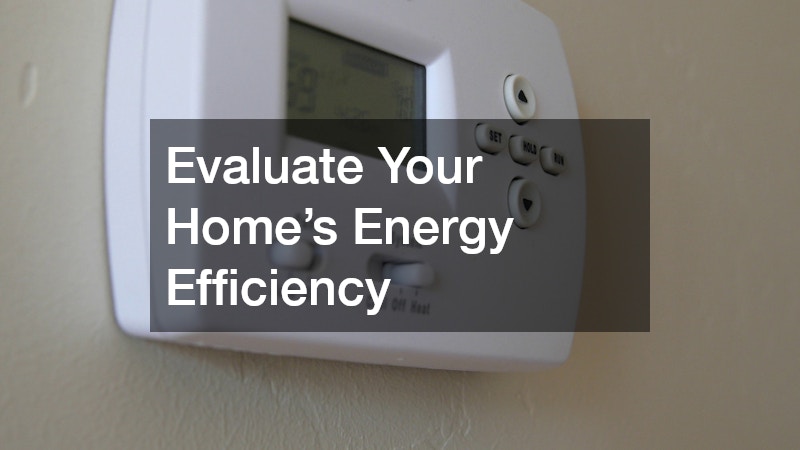
Before making any upgrades, it’s essential to understand where your home is losing energy. Conducting a home energy audit can identify areas for improvement and help prioritize which projects will have the most impact.
One of the most effective ways to enhance energy efficiency is through proper AC repairs. Ensuring your air conditioning system is clean, well-maintained, and operating efficiently can significantly reduce energy usage. Simple tasks like replacing filters, checking refrigerant levels, and scheduling professional maintenance can lower electricity bills while keeping your home comfortable year-round.
Generators can play a surprising role in sustainability when used strategically. Eco-friendly generators, such as solar-powered or high-efficiency fuel options, can provide backup power during outages without relying on traditional, carbon-heavy electricity sources. Pairing generators with smart energy practices ensures your home remains functional and eco-conscious even during emergencies.
Upgrade Your Roofing and Insulation
A well-insulated and energy-efficient roof is one of the most important components of a sustainable home. It not only keeps your living spaces comfortable throughout the year but also reduces the energy required for heating in the winter and cooling in the summer. Upgrading your roof with sustainable materials and proper insulation can lower utility bills, decrease your carbon footprint, and even extend the lifespan of your home’s structure. Small changes, like adding attic insulation or sealing gaps around vents, can have a significant impact on overall energy efficiency, making your home more comfortable and eco-friendly.
Working with a local roofer ensures that your roofing projects are handled by professionals who understand both energy efficiency and sustainable materials. Options like reflective shingles, recycled metal roofing, or sustainably sourced wood can drastically reduce heat absorption and improve durability. Experienced roofers can also identify hidden areas where heat escapes, suggest targeted insulation upgrades, and incorporate eco-friendly design features such as cool roof coatings or solar-ready panels. Their expertise helps homeowners avoid costly mistakes while maximizing the energy-saving potential of a new or improved roof.
Home remodelers can play a vital role in taking roofing improvements a step further by integrating them with other structural upgrades. Coordinating a roofing project with attic insulation, window replacements, or improved ventilation systems ensures that every element works together to optimize energy efficiency. For instance, pairing high-quality insulation with energy-efficient windows reduces heat transfer, while proper ventilation prevents moisture buildup and extends the life of your roof. By approaching roofing as part of a larger sustainable remodel, homeowners can achieve maximum energy savings, enhance indoor comfort, and create a durable, environmentally responsible home that performs well for years to come.
Choose Sustainable Flooring Options
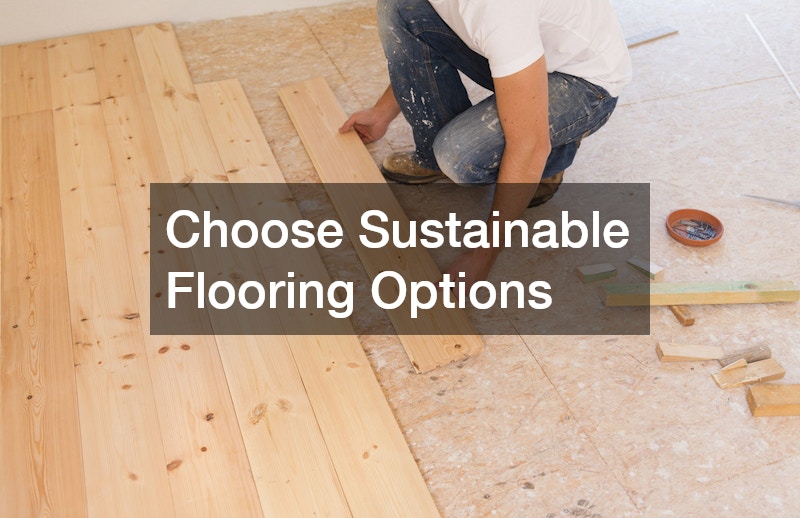
Flooring is one of the most noticeable aspects of your home, but it can also be a source of environmental impact if materials are chosen without care. Sustainable flooring options, such as bamboo, cork, reclaimed wood, or recycled composite materials, reduce resource use while providing long-lasting performance.
Flooring companies that specialize in eco-friendly products can guide homeowners in selecting materials that balance aesthetics, durability, and sustainability. They can also provide installation tips that minimize waste and reduce environmental impact.
Maintenance is another key consideration. Proper care extends the life of flooring, reducing the need for replacement. Using low-VOC cleaning products, avoiding harsh chemicals, and periodic refinishing can help maintain sustainable flooring for years, keeping your home healthy and environmentally conscious.
Landscape Your Yard with Sustainability in Mind
Landscaping is an often-overlooked opportunity to create an eco-friendly home, yet it has a significant impact on both energy use and environmental health. Thoughtful landscaping can reduce water consumption, provide natural cooling through shade, and create habitats for local wildlife, all while lowering maintenance needs. Strategic placement of trees and shrubs can help shade your home in the summer, reducing reliance on air conditioning, and act as windbreaks in the winter to minimize heat loss. Additionally, sustainable landscaping practices can improve soil health, prevent erosion, and contribute to a more resilient and attractive outdoor space.
When choosing landscape supplies, prioritize products that are organic, biodegradable, or sourced locally to reduce transportation emissions and chemical runoff. Mulch, compost, and natural fertilizers enrich the soil and improve water retention without introducing harmful toxins into your yard. Permeable pavers, gravel paths, or rain gardens allow rainwater to soak into the ground, reducing runoff and promoting groundwater recharge. Selecting native plants is particularly effective for water conservation because they are adapted to local climate conditions and require minimal irrigation. Native flowering plants also support pollinators like bees and butterflies, contributing to a thriving local ecosystem while maintaining a beautiful, sustainable garden.
Tree service is another essential aspect of eco-conscious landscaping. Healthy trees provide shade, absorb carbon dioxide, and improve air quality, but they require proper care to thrive. Regular pruning, removal of dead or diseased branches, and monitoring for pests and disease are crucial for maintaining tree health. Certified professionals can assess your trees and create a maintenance plan that maximizes their lifespan and environmental benefits. In addition to supporting carbon sequestration and energy savings through natural shade, well-maintained trees enhance property safety, reduce storm damage risks, and add long-term aesthetic value to your home. By combining proper tree care with sustainable landscape materials and plant selection, homeowners can cultivate a yard that is both environmentally responsible and visually appealing.
Protect Your Home with Smart Safety Upgrades

Sustainability and safety can go hand-in-hand. Installing fire alarms is essential for protecting your home, but choosing energy-efficient models ensures that safety upgrades don’t increase your environmental footprint. Consider hardwired systems with long-life batteries or interconnected alarms that use minimal energy while maximizing protection.
Homeowners can also integrate other safety measures that complement sustainable living. For example, smoke detectors can be combined with smart home systems to monitor energy use, alert occupants of maintenance needs, or optimize alarm performance. Thoughtful safety design ensures peace of mind without sacrificing eco-conscious principles.
Maintain Eco-Friendly Utilities
Efficient utility systems form the backbone of a sustainable home, directly impacting energy use, water conservation, and overall environmental footprint. Septic systems, in particular, require careful attention to remain effective and eco-friendly. Regular inspections can identify early signs of leaks, blockages, or mechanical issues before they become costly problems. Proper waste disposal—avoiding flushing chemicals, grease, or non-biodegradable items—helps prevent contamination of soil and groundwater. Additionally, eco-conscious septic additives can promote natural bacterial activity in the tank, breaking down waste more efficiently and reducing the need for harsh chemical treatments. By maintaining septic systems proactively, homeowners not only protect their property but also contribute to the health of the surrounding ecosystem.
Homeowners can also implement a variety of water-saving measures that complement septic maintenance and enhance overall sustainability. Installing low-flow faucets, showerheads, and dual-flush toilets reduces water consumption without sacrificing comfort. Rainwater collection systems, such as rain barrels or more advanced cistern setups, allow homeowners to capture and reuse water for irrigation, gardening, or even non-potable household uses. These systems reduce reliance on municipal water and minimize runoff that can contribute to erosion or stormwater pollution.
Upgrading plumbing and heating systems in conjunction with septic system care further amplifies water and energy efficiency. Tankless water heaters, insulated pipes, and modern hot water recirculation systems reduce wasted energy while ensuring a reliable supply of hot water. Efficient plumbing fixtures and smart irrigation controls can optimize water use, creating a home that operates in harmony with natural resources. By viewing utility maintenance and upgrades as part of an integrated eco-friendly approach, homeowners can achieve measurable savings, prolong the life of critical systems, and contribute to a more sustainable future.
Work with Certified Experts for Long-Term Results

Expert guidance is invaluable when implementing eco-friendly home upgrades, ensuring that each project is both effective and sustainable. Certified arborists bring a wealth of specialized knowledge that goes beyond basic tree care. They assess tree health, identify potential risks, and provide guidance on proper pruning, planting, and species selection to create a resilient and thriving landscape. By working with an arborist, homeowners can enhance carbon sequestration, increase natural shade, and support local wildlife habitats, all while maintaining the aesthetic and safety of their yard. Their expertise also helps prevent long-term problems, such as disease spread or structural damage, that can arise from improper tree care, ensuring that your outdoor space remains sustainable for years to come.
Home remodelers with experience in sustainable practices provide equally crucial support for indoor and structural upgrades. They can recommend energy-efficient materials, optimize insulation and ventilation, and implement design modifications that reduce waste and environmental impact. Whether it’s coordinating eco-conscious flooring, installing energy-efficient lighting, or integrating smart home technologies, remodelers ensure that projects are executed efficiently and correctly. Partnering with skilled professionals minimizes mistakes, lowers the risk of costly rework, and maximizes the environmental and financial benefits of each upgrade. By relying on certified experts for both indoor and outdoor improvements, homeowners can achieve a fully integrated, sustainable home that balances comfort, efficiency, and long-term environmental responsibility.
Optimize Indoor Comfort Efficiently
Indoor comfort is a top priority for homeowners, and achieving it efficiently is a key component of sustainable living. Heating, ventilation, and air conditioning (HVAC) systems play a major role in energy consumption, so maintaining them properly is essential. AC repairs, when performed regularly by qualified technicians, ensure that your system operates at peak efficiency, delivering consistent cooling while using less electricity. Routine maintenance tasks—such as cleaning coils, checking refrigerant levels, lubricating moving parts, and inspecting electrical connections—prevent small issues from escalating into costly breakdowns and energy waste. Additionally, sealing and insulating ductwork minimizes air leaks, allowing cooled or heated air to reach its intended destination and reducing unnecessary strain on the system.
Homeowners can also enhance indoor comfort and sustainability by integrating smart and energy-efficient solutions into their HVAC strategy. Programmable thermostats and smart home climate controls allow for precise temperature adjustments based on occupancy, time of day, or even weather conditions, reducing wasted energy without compromising comfort. Using ceiling fans, natural ventilation, and strategically placed window treatments can supplement HVAC systems, reducing the need for constant cooling or heating. Seasonal practices—like closing blinds during hot afternoons or opening windows during cool evenings—also help maintain comfortable indoor temperatures while conserving energy.
Combine Practical Upgrades for Maximum Impact
The real power of sustainable home upgrades becomes evident when multiple improvements are combined strategically rather than implemented in isolation. While individual upgrades like energy-efficient windows or low-flow faucets are beneficial, integrating them with other complementary projects amplifies their impact. Coordinating changes to flooring, roofing, insulation, and landscaping not only maximizes energy efficiency but also enhances the overall environmental performance of a home. For example, well-insulated roofing paired with sustainably sourced flooring reduces heating and cooling demands, while thoughtfully designed landscaping can provide natural cooling and minimize water use, creating a home that is both comfortable and eco-friendly.
Flooring companies that specialize in sustainable materials can play a pivotal role in this integrated approach. By offering options like bamboo, reclaimed wood, cork, or recycled composite flooring, these companies allow homeowners to align interior upgrades with broader energy-saving initiatives, such as roof and insulation improvements. Similarly, selecting eco-friendly adhesives, finishes, and installation methods reduces environmental impact and complements other energy-efficient features. When interior and exterior improvements are planned together, the result is a cohesive, high-performance home that prioritizes both sustainability and durability.
Outdoor spaces benefit just as much from a coordinated strategy. Tree service, when paired with the guidance of a certified arborist, ensures that your yard supports long-term environmental goals while remaining aesthetically pleasing and safe. Properly maintained trees provide shade that reduces cooling costs, improve air quality, and promote local biodiversity. Landscaping choices—such as native plants, permeable paving, and organic soil amendments—work in tandem with tree care to reduce water usage, prevent erosion, and create habitats for pollinators. By considering the yard as an integral part of the home’s sustainability plan, homeowners can achieve both functional and environmental benefits.
By viewing home upgrades holistically, homeowners can realize measurable results in energy efficiency, water conservation, and overall comfort. A comprehensive approach also allows for smarter budgeting, as coordinating projects often reduces labor costs, minimizes waste, and prevents unnecessary rework. Beyond immediate savings, strategic planning ensures that each improvement complements the others, creating a synergistic effect that amplifies environmental impact. Ultimately, this integrated method empowers homeowners to transform their living spaces into models of sustainability—homes that are efficient, comfortable, safe, and aligned with long-term eco-conscious goals.
Sustainable home upgrades are an investment in the future—both for your household and the planet. By approaching improvements thoughtfully, prioritizing energy efficiency, and consulting experts, homeowners can create a living space that is safe, comfortable, and environmentally responsible.
Start with small, manageable projects and expand gradually, integrating high-impact changes like energy-efficient roofing, sustainable flooring, and eco-conscious landscaping. Every upgrade, no matter how minor, contributes to long-term savings, improved comfort, and a healthier environment.