
A home is arguably the most significant financial investment the average person will make in their lifetime, and the roof serves as its primary line of defense. It continuously repels torrential rains, heavy snows, blistering UV radiation, and high winds to preserve the integrity of the structural framing and everything contained within the walls. Despite its critical role, the roof is frequently ignored until a visible stain appears on the ceiling or water begins dripping onto the floorboards. When structural failure occurs or a roof reaches the natural end of its operational lifespan, homeowners are thrust into an unfamiliar and high-stakes market.
Navigating the landscape of home improvement can feel incredibly overwhelming. The market is saturated with endless options, ranging from independent solo operators to massive regional franchises. Compounding this stress is the frequent arrival of door-to-door sales representatives following major storm events, each offering varying promises, fast timelines, and vastly different pricing structures. Making a rushed decision out of panic or opting for the absolute lowest bid without proper vetting regularly results in catastrophic outcomes, including structural leaks, voided manufacturer warranties, and severe financial losses.
The purpose of this guide is to provide an exhaustive, practical framework designed to demystify the selection process. By approaching this major project with systematic scrutiny, you can confidently separate high-caliber professionals from fly-by-night operations. Over the following sections, we will explore the precise legal, technical, and operational markers that define an elite contractor, empowering you to protect your home, your family, and your financial peace of mind.
Verifying Credentials and Regional Expertise

The first phase of screening potential contractors must focus entirely on establishing their legal legitimacy and regional operational history. Before you ever discuss material types, design aesthetics, or pricing structures, a business must pass a rigorous verification process. Skipping this foundational step exposes you to immense civil liabilities and increases the likelihood of subpar workmanship that fails to comply with regional safety standards.
Verify Local Licensing and Active Liability Insurance Policies
Every year, thousands of property owners find themselves facing extreme legal and financial jeopardy because they assumed a contractor was fully insured and licensed. Roofing is an inherently dangerous occupation that involves working at significant heights with heavy, specialized equipment. If an incident occurs on your property and the business lacks the appropriate coverage, the financial fallout can fall squarely on your shoulders.
-
Demand a certificate of insurance sent directly from the provider: Never rely on a photocopied certificate presented by a salesperson, as these can easily be outdated or altered. Request that the contractor’s insurance agency issue a current Certificate of Insurance directly to your email, verifying active General Liability and Workers’ Compensation policies.
-
Confirm Workers’ Compensation compliance: General liability protects your home from physical damage caused by the crew, but workers’ compensation protects you if a laborer is injured on your roof. Without it, an injured worker can file a personal injury lawsuit against your homeowner’s insurance policy.
-
Cross-reference licenses with state databases: Ensure the business holds an active, unexpired trade license specific to roof construction with your state or municipal licensing board. Look for any active disciplinary actions, histories of unresolved consumer complaints, or legal suspensions.
Vetting local roofing companies through official state and municipal registries ensures you are dealing with professionals who are legally authorized to operate in your jurisdiction. This step guarantees that the business is bound by local consumer protection laws and possesses a proven understanding of local building codes, which dictate critical specifications like wind resistance ratings, load capacities, and mandatory ice barrier installation lines.
Check Physical Address and Long-Term Community Presence
The construction industry is notorious for an influx of transitory operators known within the trade as storm chasers. These companies track severe weather patterns across the country, moving into communities immediately following major hail or wind storms. They set up temporary operations, sign up hundreds of desperate property owners, execute rapid, low-quality installations, collect insurance payouts, and vanish just as quickly as they arrived.
-
Locate a permanent brick-and-mortar office: A reputable business should have a physical commercial address, a dedicated office staff, and a warehouse for vehicles and materials. Avoid entities that operate exclusively out of P.O. boxes, shared temporary executive suites, or out-of-state residential addresses.
-
Call the local landline phone number: Verify that the company maintains a stable, regional phone line rather than just a rotating list of out-of-state mobile numbers used by transient sales teams.
-
Evaluate community longevity: Ask how many years the company has operated under its current name and corporate structure. Many low-quality operators declare bankruptcy to escape legal liabilities and immediately reopen under a slightly altered name within the same area.
Partnering with an established local roofing company with a multi-year history in your immediate area provides an unmatched level of consumer security. If a major structural issue or hidden leak manifests during a winter freeze two or three years down the line, you need absolute certainty that the business will still be operational, rooted in the community, and available to dispatch a crew to honor their workmanship warranty without delay.
Assessing Specialization and Material Expertise

The physical architecture of roofs varies dramatically from house to house, and the science of modern roofing materials has evolved significantly over the past decade. A company that excels at nailing standard asphalt shingles onto a simple, straightforward ranch-style home may lack the technical capabilities required to install advanced systems or navigate intricate, high-slope architectural geometries.
Align Your Project Scope with the Team’s Daily Expertise
Before signing a contract, you must ensure that the specific crew assigned to your home spends their working hours executing the exact type of labor your home requires. True specialization directly impacts the speed of the installation, the minimization of material waste, and the long-term reliability of the structural seals.
-
Inquire about architectural familiarity: Complex residential designs featuring intersecting valleys, historical dormers, built-in skylights, and steep pitches require advanced rigging, specific safety setups, and specialized flashing techniques.
-
Request a localized, material-specific portfolio: Ask for a comprehensive list of addresses within your region where the company has successfully completed projects featuring the exact material and style you want to use for your own home.
-
Evaluate steep-slope safety protocols: A professional crew should demonstrate a clear, formalized plan for safety compliance, including the mandatory use of harnesses, anchors, and specialized scaffolding designed for residential properties.
When you carefully screen residential roofing companies, your primary objective is to find a business that treats residential asset protection as their core operational focus. Companies that primarily chase massive commercial warehouse contracts often treat residential projects as filler work, utilizing heavy-handed tactics or inappropriate staging that can damage your landscaping, driveways, and delicate residential gutters.
Vet Specialized Product Certifications for Modern Upgrades
Many homeowners are moving away from traditional, short-lived building materials in favor of premium, long-lasting upgrades that offer enhanced energy efficiency, superior fire resistance, and lifetime durability. However, these advanced material systems require highly specific installation methods that differ wildly from standard practices.
-
Verify factory-certified installer status: Leading material manufacturers grant premium certifications only to contractors who undergo rigorous, ongoing training and maintain pristine financial and operational records.
-
Understand the requirements for lifetime warranties: Many premium material manufacturers will outright void their extended lifetime product warranties if the system was installed by a crew lacking their specific brand certification.
-
Analyze thermal expansion planning: Advanced materials expand and contract significantly with seasonal temperature shifts. Improper fastening techniques can lead to warping, buckling, or catastrophic wind failure.
For instance, if you are planning to transition your home to a standing-seam or stone-coated steel system, you cannot hire a general contractor who treats alternative materials as a hobby. Homeowners investing in premium upgrades must seek out crews that dedicate their business to metal roofing services. This level of specialization ensures the technicians possess the expensive, specialized roll-forming machinery, hand-seamers, and mathematical expertise required to execute flawless, weather-tight panel transitions.
Evaluating the Inspection and Estimating Process
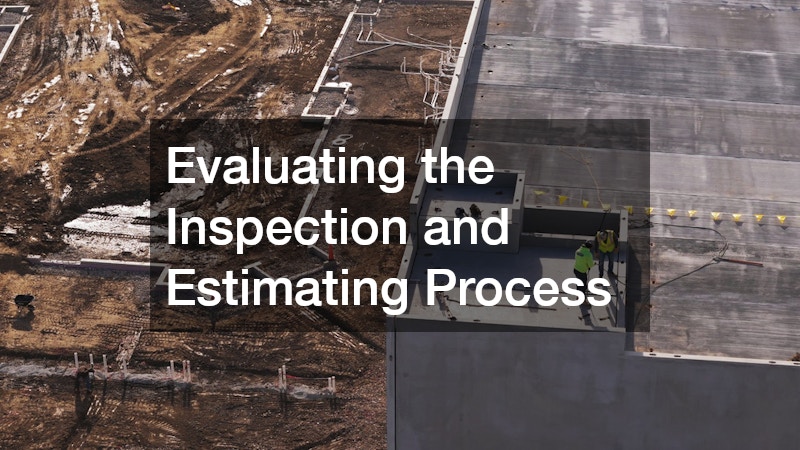
The manner in which a contractor conducts their initial property evaluation and formulates their financial proposal offers a transparent preview of how they will manage your entire construction project. A reliable professional relies on physical data, meticulous measurements, and educational transparency, whereas an unreliable operator relies on guesswork, vague promises, and psychological sales pressure.
Demand a Comprehensive, Multi-Point Physical Assessment
In the modern digital age, many businesses attempt to expedite their estimating processes by utilizing satellite imaging applications or fly-by drone photography to view a home from the air. While these tools are excellent for calculating basic square footage and ordering initial material packages, they are fundamentally incapable of diagnosing the actual health of a structural roofing system.
-
Insist on a physical, on-roof inspection: A inspector must physically scale your home with a ladder to check for soft spots in the wood decking, evaluate the integrity of existing flashing around chimneys, and inspect old pipe boots for dry rot.
-
Mandate a comprehensive attic space evaluation: A true professional will enter your attic with a flashlight to look for hidden water stains, structural rafter sagging, wood rot, and improper exhaust ventilation ducting that terminates inside the house rather than venting completely outdoors.
-
Review photographic and video evidence: The inspector should capture clear, high-resolution photographs of every deficient area they discover, taking the time to sit down with you and explain exactly why a component needs repair or total replacement.
Dependable local roofers understand that a roof is a multi-layered ecosystem, and they will never issue a binding financial estimate without diagnosing what lies beneath the visible top layer. This meticulous physical diagnosis protects you from facing massive, unexpected change-orders midway through construction when the old shingles are torn off and extensive, hidden structural wood decay is suddenly revealed.
Compare Itemized, Written Quotes Rather Than Lump-Sum Estimates
A common trap for homeowners is accepting a simple, one-page estimate that lists a single, ambiguous lump-sum price for the entire project. This lack of detail leaves you entirely unprotected, allowing a dishonest business to substitute cheaper materials, skip critical steps, or charge extra for basic tasks that should have been included from the start.
-
Look for explicit material branding: The quote must clearly state the exact manufacturer, product line, and color of the shingles, underlayment, ice and water shields, and ventilation components being purchased.
-
Verify code-compliant accessory inclusions: Ensure the estimate explicitly itemizes necessary systemic additions, such as the installation of a new drip edge, fresh valley liners, new chimney flashing, and all required building permits.
-
Analyze the payment schedule milestone terms: Never work with a business that demands a massive upfront deposit or cash payment before materials arrive. A professional financial agreement outlines clear, reasonable payment milestones tied to verified progress.
The standard for professional roofing contracting requires a transparent, multi-page, itemized contract. This document must clearly define the precise scope of work, material types, labor costs, disposal fees for the old debris, and explicit timelines for project completion. Itemization allows you to perform an accurate comparison across multiple bids, ensuring you are comparing identical products and services rather than apples to oranges.
Navigating Complex Replacements and Specialized Structures
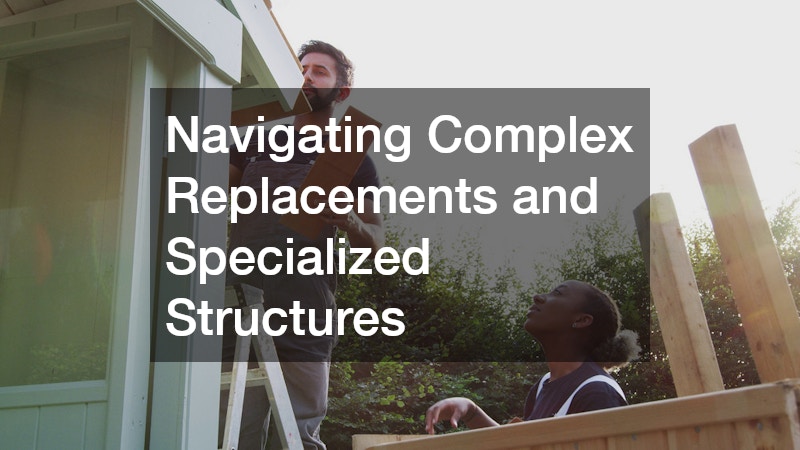
A complete tear-off and replacement is not a minor cosmetic renovation; it is a complex, invasive structural construction project that temporarily converts your residential property into an active, high-hazard industrial work site. Managing this process correctly requires deep logistical preparation, specialized structural knowledge, and advanced water-shedding engineering.
Establish Clear Timelines for Complete System Tearing and Rebuilding
When a home requires a total overhaul, hundreds of pounds of old materials must be violently stripped from the structure, exposing the raw interior of your house to the unpredictable elements. A professional business must possess a strict, highly organized operational plan to minimize property disruption and manage weather risks.
-
Inquire about active property protection protocols: The crew must utilize specialized tarps, plywood framing, and catching apparatuses to safeguard your expensive landscaping, exterior siding, low-level windows, and outdoor HVAC equipment from falling debris.
-
Confirm daily debris management strategies: Ask how the company intends to collect and dispose of thousands of stray roofing nails and sharp shingle shards. The use of a roll-off dumpster and continuous sweeps with high-powered industrial magnets is mandatory.
-
Analyze weather contingency plans: The project manager must monitor live radar data constantly and have a dedicated team ready to instantly deploy massive, heavy-duty waterproof tarpping systems to seal your exposed roof deck if an unexpected rainstorm develops.
Investing in a comprehensive roof replacement service means you are paying for an organized, highly synchronized logistical operation. The company should communicate exactly how many days the teardown will require, what time the crew will arrive each morning, and how they will handle structural anomalies without leaving your home vulnerable to water intrusion overnight.
Verify Water Management Systems on Low-Slope Architectures
Many modern residential properties, home additions, covered patios, and attached garages feature architectural designs with very low pitches or entirely horizontal surfaces. These structural styles present unique engineering challenges because they cannot rely on gravity to naturally shed rainwater like a standard sloped roof.
-
Identify specialized membrane certifications: Low-slope or horizontal surfaces require continuous, seamless waterproof membranes, such as TPO (Thermoplastic Polyolefin) or EPDM (Ethylene Propylene Diene Monomer), rather than traditional overlapping shingles.
-
Evaluate seam-welding expertise: The integrity of a horizontal roof rests entirely on the quality of its seams. Professional technicians must use specialized hot-air welding equipment to fuse the membrane sheets together into a single, monolithic waterproof barrier.
-
Inspect structural drainage slopes: An expert will analyze the structure to ensure it features the proper crickets, tapered insulations, and scuppers necessary to direct water toward gutters and prevent dangerous pooling or ponding.
Ensuring your contractor has a verified track record in flat roofing services is the only way to protect a low-slope structure from rapid degradation. Standard shingles nailed onto a low-pitched surface will trap water underneath via capillary action, leading to rapid structural rot, interior ceiling damage, and catastrophic toxic mold outbreaks within your ceilings and walls.
Finalizing the Contract and Installation Procedures

The final stage of choosing your contractor involves reviewing the formal legal contracts, protecting your consumer rights, and establishing clear lines of communication regarding how the actual construction days will be managed on the ground.
Review Workmanship Warranties Alongside Manufacturer Protections
One of the most common points of confusion for homeowners is failing to understand the difference between a manufacturer’s product warranty and a contractor’s workmanship warranty. If your roof fails three years after installation due to human error, a material manufacturer will deny your warranty claim, leaving you with an expensive repair bill.
-
Distinguish material vs. labor coverage: The standard manufacturer warranty covers only factory defects in the physical shingles themselves. The contractor’s workmanship warranty covers errors made by the crew during the actual installation process.
-
Look for extended, manufacturer-backed labor warranties: Elite contractors can offer unique, extended manufacturer warranties that actually cover the contractor’s labor for up to twenty or thirty years, backed by the multi-million-dollar manufacturer if the contractor goes out of business.
-
Read the fine print for restrictive exclusions: Thoroughly review the warranty documentation for hidden clauses that could invalidate your protection, such as mandatory annual paid inspections or restrictions against installing aftermarket solar panel arrays.
Top-tier roofing contractors are highly confident in the training and execution of their crews, and they will explicitly put a lengthy, comprehensive workmanship warranty in writing. Avoid any contractor who offers only a vague verbal promise or provides a labor warranty that expires after a single year, as major installation errors often take several seasons of freezing and thawing to manifest into visible interior damage.
Confirm the On-Site Project Management Structure Before Day One
On the day construction begins, your property will be flooded with large delivery vehicles, heavy equipment, and a large labor crew. Without a clear, designated leadership structure on-site, communication can break down instantly, leading to costly mistakes and immense frustration.
-
Identify the designated on-site supervisor: Ensure that a dedicated, English-fluent project manager or supervisor will be present on your property for the entire duration of the project, rather than leaving a crew of unsupervised subcontractors to manage themselves.
-
Secure direct communication channels: Obtain the cell phone number of the active on-site supervisor so you can instantly address any real-time issues, such as blocked driveways, property damage, or scheduling updates.
-
Review the final quality-assurance walk-through plan: The project manager should perform a final, comprehensive inspection alongside you once the job is complete, climbing the roof to verify flashing seals, check ventilation alignment, and confirm that every piece of construction debris has been removed from your yard.
Understanding the precise workflow of a professional local roof installation gives you total clarity and peace of mind. Knowing who is in charge, how structural surprises are communicated, and how the property is cleaned up ensures that the entire construction process moves smoothly from the initial material drop-off to the final payment.
Conclusion
Selecting the right professional to replace or repair your roof is a high-consequence decision that will impact the safety, value, and structural integrity of your home for decades to come. While it is easy to get distracted by flashy sales pitches or incredibly low prices, true protection comes down to systematic diligence. By verifying active licensing, demanding itemized financial transparency, assessing specialized material certifications, and securing ironclad, written workmanship warranties, you eliminate the guesswork and protect your wallet from predatory operations.
Remember that taking an extra week to thoroughly research, interview, and cross-reference multiple candidates is always a wise investment of your time. A high-quality roof is an interconnected system that requires precision engineering, proper ventilation dynamics, and flawless structural sealing. Entrusting this vital task to a verified, community-rooted professional ensures that your home remains a safe, dry, and secure sanctuary against whatever elements nature delivers. Begin your journey today by compiling a list of local candidates, preparing your list of technical questions, and refusing to sign any contract until every single criterion is met with absolute clarity.