Managing a small homestead comes with unique challenges, but smart renovations can transform even the most compact property into a productive, efficient, and comfortable living environment. Whether you’re hoping to increase storage, improve workflow, or make daily tasks easier, focusing on intentional upgrades helps you maximize every square foot while supporting long-term sustainability. With a strategic approach, small homes and properties can feel bigger, work better, and support a homestead lifestyle without needing more land.
Reconfiguring Interior Layouts to Improve Everyday Functionality
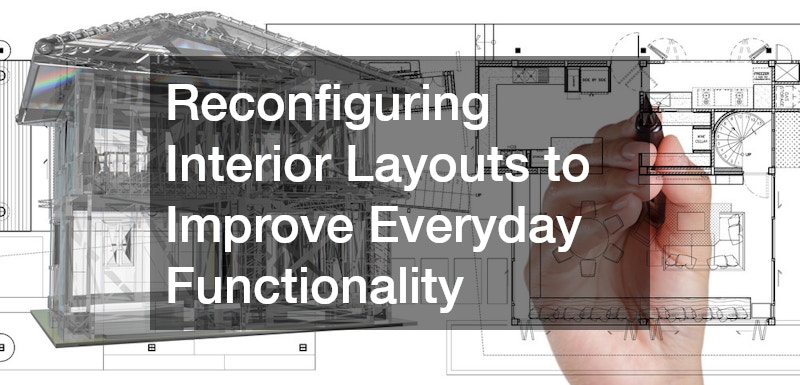
A transformative way to maximize a smaller homestead is by rethinking how the existing layout supports daily routines. Families often outgrow traditional room setups not because they need more space but because the space they have isn’t designed efficiently. By knocking down unnecessary walls, shifting door placements, or rearranging traffic flow patterns, you can create a layout that makes tasks easier and rooms feel more open. A trusted bathroom remodeler can help identify opportunities to repurpose underused square footage and expand essential areas without changing your overall footprint.
One of the biggest advantages of reconfiguring interior layouts is the ability to make every room serve multiple roles without feeling cramped. Many homesteads benefit from moving away from traditional room definitions and instead embracing flexible, open-purpose spaces. For example, a dining area can double as a seed-starting station during the early growing season, or a spare bedroom can convert into a canning pantry with adjustable shelving. Thoughtful redesign allows these transitions to feel natural instead of forced.
Lighting also plays a major role in perceived spaciousness. Adding transom windows, resetting window placements, or installing solar tubes brings natural light deeper into interior spaces. This helps small homes feel larger, reduces reliance on electric lighting, and connects interior rooms to the outdoors. Even strategically placed mirrors can enhance flow.
Flooring continuity is another underused strategy. Switching from multiple flooring types to one consistent material removes visual breaks, creating the illusion of expanded square footage. The same applies to consistent trim colors, coordinated storage systems, and unified furniture lines. Whether working with an open layout or segmented rooms, small tweaks in structure and design dramatically elevate the livability of compact homesteads.
Improving Exterior Structures to Extend Living Space
Exterior improvements are essential when optimizing a small property. If you can’t expand your home’s footprint, expanding your usable outdoor space becomes the next best option. Upgrading existing outbuildings, reinforcing sheds, or adding new covered workspaces helps extend your daily workflow and brings critical functions out of crowded interior areas. Bringing in a reliable roofer helps ensure existing structures are strong, sealed, and ready for all-weather use.
Another effective way to expand outdoor usefulness is by enclosing or partially enclosing exterior areas. A screened porch, covered work zone, or sheltered firewood storage area opens opportunities for year-round use. With creative planning, even structures that seem too small to be functional can transform into high-performing spaces. A narrow side yard can become an equipment corridor, a compact porch can hold stacked storage cabinets, and a small lean-to can house tools, animal feed, or seasonal supplies.
For homesteaders with limited land, vertical expansion is a secret weapon. Installing laddered shelving, hanging storage, elevated garden beds, or wall-mounted racks lets you multiply efficiency without consuming floor space. Outbuildings can also support lightweight lofts or overhead drying racks for herbs, lumber, or seasonal gear. A professional roofer can help confirm structural capacity when adding these features.
Don’t overlook passive energy benefits, either. Simple upgrades like reflective roof coatings, shade structures, and windbreak enhancements make outdoor work zones more comfortable. A thoughtfully improved exterior acts as a direct extension of your home, offering valuable room for chores, hobbies, and homestead operations that would otherwise crowd interior spaces.
Creating Efficient Outdoor Zones for Better Workflow
Small homestead yards can feel crowded without a strong plan. Dividing your property into task-based zones helps organize your space and prevents tools or equipment from accumulating in random areas. Simple layout adjustments, seasonal rotation plans, and functional landscaping upgrades help make even limited outdoor spaces work efficiently. Maintaining healthy grounds with routine lawn care also keeps each zone accessible and tidy, making yard work and daily chores easier.
Creating efficiency outdoors begins with understanding your daily movements across the property. Mapping these patterns helps determine where to place tools, compost bins, equipment racks, and garden beds for maximum convenience. By placing the most frequently used items on direct paths, you avoid unnecessary walking and reduce clutter naturally. This “flow-first” approach dramatically boosts the usability of small homestead yards.
Strategic vertical design allows you to triple your growing space without expanding your garden footprint. Trellised beans, cucumbers, grapes, and peas climb upward instead of outward. Stacked planters, tiered herb stands, and hanging grow baskets open hundreds of square feet of functional gardening room above ground level. When paired with consistent lawn care and soil health strategies, vertical growing systems produce impressive yields even in tight spaces.
Another effective tactic is creating micro-zones targeted to specific needs. For instance, designate a shaded area as a tool clean-up zone and outfit it with hooks, a small wash station, and durable storage. Turn a sunny corner into a seed-starting area with portable greenhouse lids. Assign a transitional space for drying equipment or firewood. Each purposeful zone contributes to a well-organized and productive homestead.
Upgrading Access Points and Paths to Improve Mobility
How you move around your homestead matters. When space is limited, efficient mobility becomes essential for safety and productivity. Reinforcing walkways, adding access ramps, upgrading stair treads, and improving entry points help create smoother transitions between work areas. Bringing in a trusted driveway paver can help you redesign paths that hold up against heavy use and agricultural equipment.
Improving access points also enhances safety and reduces long-term maintenance needs. On small properties, improper drainage or uneven terrain can quickly create bottlenecks or hazards during daily chores. That’s why maintaining clean, graded paths is essential. Working with a driveway paver opens opportunities to incorporate permeable materials that reduce pooling, manage runoff, and withstand heavy utility use.
Adding lighting to paths significantly improves evening mobility. Solar-powered stake lights or low-voltage LED strips are excellent for outlining corridors between the garden, coop, workshop, and home. Homesteaders often move equipment or work outdoors before sunrise or after sunset, making illumination a practical upgrade that expands usable hours.
For especially tight areas, consider adding retaining walls or shallow terracing to carve out safer, more navigable ground. Even a slight regrade can create a smoother transition for wheelbarrows, carts, and machinery. The better the movement flow, the easier daily tasks become. Well-planned access points help the smallest homestead feel organized, manageable, and intentional.
Upgrading Water Systems for Long-Term Efficiency
Water is one of the most precious resources on a homestead. Efficient and reliable water systems help protect your home, preserve your land, and support animals or gardens. Replacing outdated plumbing lines, adding filtration systems, or installing a new water softener system helps improve water quality and reduce strain on your fixtures. These upgrades are especially valuable in smaller homes, where plumbing issues can quickly affect multiple rooms at once.
Small homesteads benefit significantly from water-management systems that reduce waste and prevent the need for constant manual adjustments. Installing dedicated greywater channels for garden irrigation can dramatically cut water usage. Additionally, upgrading older fixtures—such as faucets, toilets, and supply lines—prevents leaks and improves pressure consistency throughout compact living quarters.
A water softener system helps protect fixtures while also improving the feel and quality of water used for bathing, laundry, and cleaning. But the benefits go beyond comfort. Softer water reduces mineral buildup in small-diameter pipes, which are common in older homestead structures and more prone to blockages.
Exterior water systems deserve attention too. Adding frost-proof hydrants in high-traffic outdoor areas reduces hose clutter and allows chores like livestock care and gardening to take place more efficiently. Installing additional rain barrels or integrating gravity-fed irrigation reduces reliance on electrical pumps and stabilizes your water supply during dry spells.
These system upgrades work together to make a small homestead more self-reliant and better equipped to manage daily water needs with minimal waste.
Boosting Energy Efficiency Through Structural Improvements
Energy efficiency plays a major role on homesteads. Improving insulation, sealing drafts, and reinforcing your home’s structural envelope helps maintain comfortable indoor temperatures year-round. A skilled spray foam insulation contractor can help identify insulation gaps in the attic, crawl space, and walls so your home stays regulated without wasting energy.
Improving energy efficiency on a small homestead also means reducing reliance on bulky equipment that takes up valuable interior or exterior space. By sealing thermal gaps and reinforcing insulation, you’re able to downsize heating and cooling systems without losing comfort. A spray foam insulation contractor can help identify the most critical trouble zones—such as rim joists, attic transitions, or crawl spaces—where small gaps create outsized energy losses.
Even older homestead structures benefit from small-scale envelope improvements. Adding storm windows or upgrading to double-pane units can significantly improve heat retention. Weatherstripping doors, sealing outlets, and insulating plumbing lines strengthen overall efficiency. Reflective window films can also reduce summertime heat levels, limiting the need for supplemental cooling.
Exterior structures like sheds, barns, and workshops can receive similar treatment. When these buildings maintain stable temperatures, your tools, feed, and supplies remain protected, reducing waste and extending the life of stored materials. These upgrades ultimately support greater sustainability, energy savings, and improved comfort across the entire property.

Enhancing Kitchen and Prep Areas for Greater Productivity
Kitchens and food-prep spaces are central to most homesteads. As a core area for cooking, preserving, and meal planning, a well-organized kitchen can elevate your entire workflow. Upgrading outdated surfaces, improving storage systems, or replacing worn countertops helps create a more productive environment that simplifies daily tasks.
Because homestead kitchens often support heavy workloads—from canning to baking to meal prep—optimizing organization is essential. Installing pull-out cutting boards or under-cabinet fold-down surfaces adds instant workspace without requiring additional floor area. Upgrading countertops to durable materials like butcher block, granite, or quartz creates resilient surfaces that withstand chopping, kneading, and daily wear.
Another smart renovation is adding task lighting beneath upper cabinets or along prep stations. Focused illumination not only improves visibility but also makes small kitchens feel cleaner and more modern. Recessed spice racks, vertical baking sheet slots, and utensil drawers with custom dividers help maintain order in tight quarters.
Don’t overlook the importance of airflow. Installing a powerful yet compact range hood prevents cooking moisture and odors from overwhelming small interiors. Open shelving can also lighten visual weight while making tools easily accessible. When kitchen design supports productivity, your entire homestead workflow benefits.
Addressing Moisture Hazards to Preserve Small Spaces
While all homes are vulnerable to moisture problems, smaller homesteads feel the impact more quickly. Leaks, humidity buildup, and improper drainage can compromise your interior space, damage materials, and create long-term indoor air quality issues. Working with a professional water damage restoration service helps identify moisture hazards early and protect your home from structural deterioration.
Small homes are especially susceptible to moisture because confined spaces trap humidity quickly. This makes early intervention essential. A responsive water damage restoration service can identify hidden issues behind walls, beneath floorboards, or in attic cavities—areas where minor leaks often go unnoticed until significant damage occurs.
Homesteaders should also take preventive measures by sealing basement walls, improving crawl space ventilation, and installing vapor barriers under flooring. Upgrading older plumbing components and replacing deteriorating caulk in kitchens and bathrooms reduces the risk of future leaks.
Exterior maintenance is equally important. Cleaning gutters, checking downspouts, and inspecting grading prevents water from pooling near foundations. Installing French drains or swales helps redirect water away from critical structures. By managing moisture proactively, you protect your home’s structural integrity and prevent costly repairs that disproportionately impact smaller living environments.
Maintaining Structural Integrity With Proactive Repairs
A small homestead relies heavily on every building on the property, making maintenance a high priority. Minor damage can quickly turn into expensive repairs if not handled early. Regular inspections of your home, outbuildings, and surrounding structures help you stay ahead of potential issues. A dependable roof repair specialist can ensure your home remains well-protected from leaks and weather-related wear.
Proactive structural maintenance extends beyond visible issues. Regularly inspecting attics, crawl spaces, and foundation lines reveals early signs of deterioration. Common problems like pest intrusion, shifting soil, or minor roof leaks can cause major complications if left unchecked. Staying on top of roof repair and structural upkeep preserves interior comfort while preventing moisture intrusion and heat loss.
Maintaining siding, trim, and foundation seals helps block pests, protect insulation, and maintain energy efficiency. Homesteaders often store valuable supplies—seeds, canned goods, tools, equipment—in outbuildings, making their durability just as important as the main home. Reinforcing doors, upgrading locks, and adding weather-resistant coatings extend the lifespan of all structures.
Preventive repairs reduce long-term costs and eliminate the need for emergency fixes, which can disrupt daily homestead routines. A reliable inspection schedule—quarterly for roofs, seasonal for foundations, and biannual for outbuildings—ensures your property stays strong and functional year-round.
Improving Power Stability to Support Homestead Operations
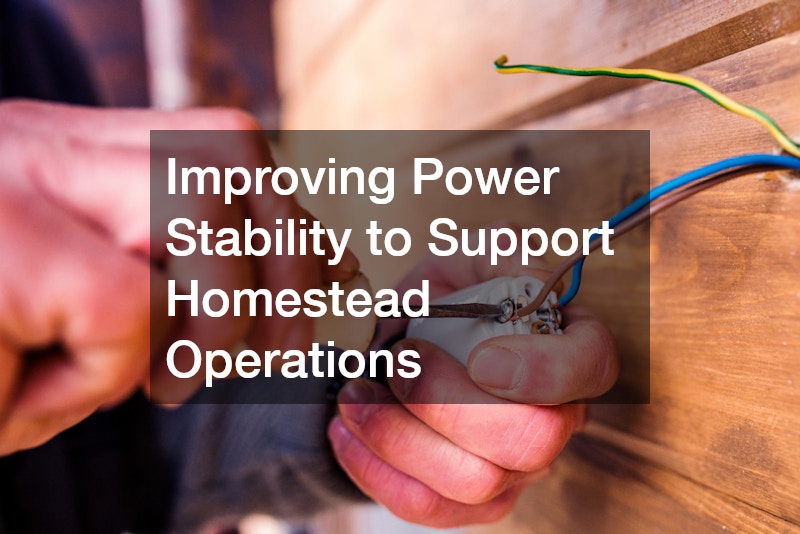
Small homesteads often rely on multiple buildings and equipment that require stable electricity to function smoothly. Installing backup power solutions, adding electrical circuits in outbuildings, or improving wiring distribution helps maintain uninterrupted operations. Partnering with a trusted generator company ensures your home remains powered during outages and weather-related disruptions.
Stable power ensures daily operations continue smoothly, especially during extreme weather or unexpected outages. Working with a generator company allows homesteaders to install systems sized specifically for their needs, whether powering only essential appliances or providing whole-home backup. Proper placement, ventilation, and fuel access are key considerations when space is limited.
Smaller homesteads can also benefit from smarter electrical layouts. Adding strategically placed exterior outlets eliminates the need for long extension cords and supports tools, lighting, and equipment in outdoor work areas. Dedicated circuits for freezers, well pumps, or workshop tools reduce overload risks and improve reliability.
Solar options—whether roof-mounted or installed on small pergolas—offer additional flexibility. Even partial solar setups can supplement electricity usage, reduce grid reliance, and power outbuildings independently. Improving power distribution ensures that every corner of your property remains functional, efficient, and ready for daily tasks.
Maximizing a small homestead isn’t about square footage—it’s about purpose, planning, and creative renovations that enhance every part of your daily life. By rethinking layouts, improving structural features, and investing in long-term upgrades, you can build a property that supports your lifestyle, expands your independence, and works with you rather than against you. Thoughtful improvements make even the smallest homestead productive, comfortable, and built for the future.