
Every home has energy drains hiding in plain sight, quietly inflating utility bills long before anyone notices a problem. Shifting seasons put extra strain on aging systems, drafty walls, and overworked equipment, turning small inefficiencies into real money lost each month. The good news is that most of these drains are easy to spot once you know where to look. This guide walks through the systems worth checking now, so you can tighten up your home’s efficiency before the next bill arrives.
Inspect Your Attic and Wall Insulation Levels
Insulation is one of the biggest factors in how hard your heating and cooling systems have to work, yet most homeowners never check it after move-in. Older homes often have insulation that has settled, compressed, or degraded over decades, leaving gaps that let conditioned air escape. If your attic insulation is below the recommended depth for your climate zone, you are likely paying for air that never stays inside your home.
Checking your attic insulation level is simple: grab a flashlight and a tape measure, and look for the depth of insulation between the joists. In colder northern climates, the Department of Energy recommends R-49 to R-60, which typically translates to 14-17 inches of blown-in fiberglass or 12-15 inches of cellulose. Southern climates can often get by with R-30 to R-38. If you can see the tops of your joists poking through, you almost certainly have less insulation than you need.
Wall insulation is trickier to inspect since it is hidden behind drywall, but there are workarounds. An infrared thermometer or thermal camera can reveal cold spots along exterior walls during winter months, signaling thin or missing insulation. Alternatively, a small hole drilled into a wall cavity near an outlet can let you peek inside or use a borescope to check for gaps.
Pay special attention to areas where insulation commonly fails: around attic hatches, recessed lighting fixtures, knee walls in finished attics, and where new additions meet original construction. These transition points are notorious for gaps that a quick visual scan from the attic floor will miss. Addressing them, along with topping off low insulation depth, is often one of the highest-return improvements you can make before the next heating or cooling season hits.
A quick visual check can tell you a lot. Look for insulation that has settled, compressed, or shifted away from wall edges, and note any areas in the attic where you can see the ceiling joists clearly through a thin layer of material. As a rough benchmark, most cold-climate homes need attic insulation rated between R-38 and R-60, so if yours barely covers the joists, you’re likely losing heat right through the roof.
A professional assessment, however, gives you real numbers to work with instead of guesswork. A local insulation service can measure R-values throughout your home using tools like infrared cameras and blower door tests, pinpointing weak spots you cannot see from a ladder. These often include gaps inside wall cavities, spots around recessed lighting fixtures, and the perimeter where the attic floor meets the exterior walls.
That kind of detailed inspection also catches problems a visual scan will miss, such as insulation that’s been compressed by foot traffic, moisture damage that’s reduced its effectiveness, or gaps left behind by previous renovation work. Knowing exactly where and how much heat is escaping lets you prioritize fixes by cost and impact, rather than replacing insulation throughout the whole house unnecessarily.
- Look for insulation that has shifted away from corners or edges, especially near eaves where wind can push loose-fill material aside
- Check for daylight visible through attic boards or around vent stacks, chimneys, and recessed lighting fixtures
- Measure insulation depth with a ruler — most homes need 10-14 inches of blown-in insulation (R-38 to R-49) for adequate coverage
- Feel for temperature differences near exterior walls, particularly around outlets, switch plates, and window frames
- Note any musty smells that could signal moisture trapped in insulation, which reduces its effectiveness and may indicate roof or wall leaks
- Look for compressed or matted insulation, since squashed fibers lose much of their insulating power even if depth looks sufficient
- Check for pest droppings or nesting material, as rodents often burrow into insulation and create gaps that let air escape
Check Your Roof for Seasonal Wear and Damage
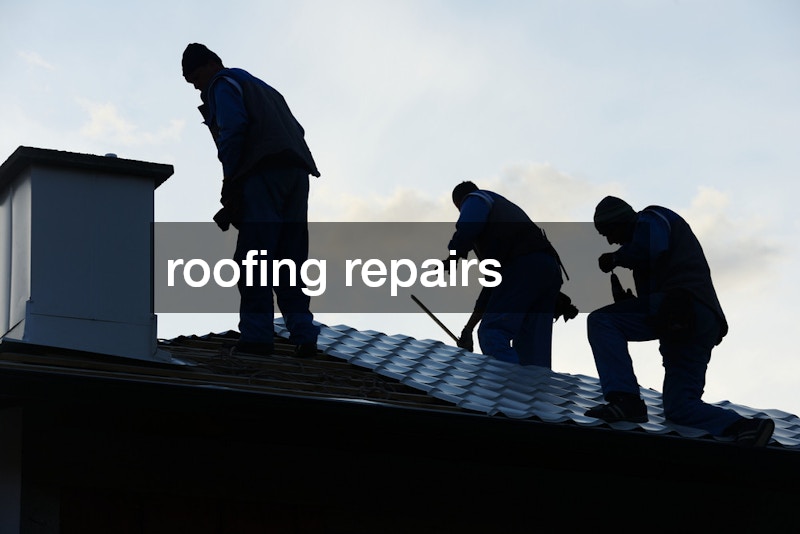
Your roof does more than keep out rain; it plays a direct role in temperature regulation throughout the year. Cracked flashing, missing shingles, or worn underlayment let outside air seep into the attic space, undermining even well-installed insulation below it. These small breaches often go unnoticed until a bill spikes or a stain appears on the ceiling.
A seasonal check should focus on a few key trouble spots. Look for curled, cracked, or missing shingles, especially on slopes that face prevailing winds. Inspect flashing around chimneys, vents, and skylights, since these joints are common entry points for air and moisture. Also check the attic itself for daylight peeking through gaps, damp insulation, or a musty smell, all of which suggest air is moving where it shouldn’t.
Timing matters too. Fall and spring are ideal windows to catch damage before extreme temperatures make small problems worse, since freeze-thaw cycles can widen cracks and loosen shingles further. If your roof is more than 15 years old, consider a professional inspection even without visible signs of trouble, since granule loss and brittle underlayment often develop gradually and out of sight.
Scheduling roofing repairs before extreme weather hits is far cheaper than dealing with emergency leaks later. A minor fix that costs a few hundred dollars in the fall can turn into a multi-thousand-dollar ceiling repair once winter storms find their way through a compromised roof.
A trained eye can catch curling shingles, soft spots, or ventilation issues that trap heat in summer and let warmth escape in winter, both of which force your HVAC system to work overtime. Cracked flashing around chimneys and vents is another common culprit, as is granule loss on asphalt shingles, which signals that the roof’s protective layer is wearing thin.
Poor attic ventilation deserves special attention, since it’s often the hidden reason energy bills creep up season after season. Blocked soffit vents or insufficient insulation can raise attic temperatures by 20 degrees or more in summer, while in winter that same trapped heat melts snow unevenly and creates ice dams along the eaves.
If it’s been more than a year since your last inspection, walk the perimeter of your home and look for sagging areas, dark streaks, or missing shingles from the ground. For anything higher up or harder to assess, bringing in a professional twice a year—once before winter and once before summer—helps catch small issues before they turn into costly, energy-draining problems.
Test Your Heating and Cooling System Efficiency
Even a well-insulated, well-sealed home will waste energy if the equipment running through it is outdated or poorly maintained. Systems that skip annual tune-ups tend to lose efficiency gradually, so the increase in your bill can be easy to miss month to month. A furnace or heat pump working with dirty coils or a clogged filter can use significantly more energy just to hit the same target temperature.
Bringing in HVAC companies for a seasonal inspection is one of the most reliable ways to catch efficiency losses early. Technicians can check refrigerant levels, inspect ductwork for leaks, and confirm your thermostat settings actually match your usage patterns rather than running on outdated defaults.
- Replace air filters every one to three months
- Schedule a tune-up before peak heating or cooling season
- Ask about programmable or smart thermostat upgrades
- Have ductwork checked for leaks or disconnected sections
Address Air Conditioning Problems Before They Worsen
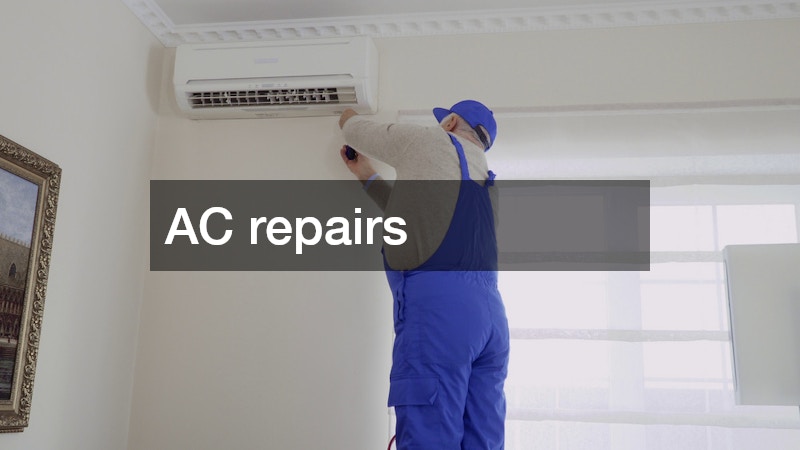
A struggling air conditioner rarely fails all at once; it usually shows warning signs first, like uneven cooling, strange noises, or a unit that runs constantly without reaching the set temperature. These symptoms often point to low refrigerant, a failing compressor, or blocked airflow, all of which force the system to draw more power for less output. Ignoring these signs during peak season can mean higher bills now and a costlier breakdown later.
Timely AC repairs can restore lost efficiency and extend the life of a unit that might otherwise need early replacement. Catching a refrigerant leak or a failing capacitor early is typically a fraction of the cost of replacing an entire outdoor unit that overheats and burns out from prolonged strain.
Evaluate Your Home’s Electrical Load and Wiring
Outdated wiring and overloaded circuits are a quieter kind of energy drain, one that shows up as flickering lights, warm outlets, or breakers that trip more often than they should. Homes built decades ago were not designed for the number of devices and appliances the average household runs today. This mismatch between old wiring and modern demand can waste energy and, in some cases, create a genuine safety hazard.
Bringing in residential electricians to audit your panel and outlets can reveal whether your home is working harder than it needs to. They can also recommend upgrades like LED retrofits or dedicated circuits for major appliances, both of which reduce unnecessary draw on your system.
- Watch for outlets or switch plates that feel warm to the touch
- Note any recurring breaker trips tied to specific appliances
- Ask about surge protection for sensitive electronics
- Consider an electrical panel upgrade if your home is over 25 years old
Keep Trees and Landscaping From Undermining Efficiency

Landscaping affects home energy use more than most people realize. Overgrown branches that shade windows can reduce cooling costs in summer, but the same growth left unchecked can damage roofing, gutters, or siding, creating new gaps for air leaks. Roots growing too close to the foundation or underground utility lines can also cause structural issues that indirectly affect insulation and moisture control.
Routine work from a local tree service keeps branches from scraping against the roofline or blocking vents and exhaust outlets. Well-maintained trees can still provide valuable natural shading without becoming a liability to your home’s exterior systems.
Watch for Pest Activity That Damages Insulation and Ductwork
Pests are an energy drain most homeowners never consider, but rodents, insects, and birds can cause real damage to insulation, ductwork, and wiring. Rodents chew through duct insulation and wire sheathing, while nesting materials packed into vents restrict airflow and force your system to compensate. Left unaddressed, this kind of damage compounds over time and gets more expensive to reverse.
A pest exterminator can identify entry points and eliminate infestations before they cause structural or system damage. Sealing these entry points afterward also helps with general air sealing, giving you an efficiency benefit on top of pest control.
- Check attics and crawlspaces for droppings or nesting material
- Listen for scratching sounds in walls or ceilings
- Inspect exterior vents for chewed screening or gaps
- Look for insulation that appears flattened or displaced in specific patches
Maintain Your Septic and Plumbing Systems for Efficiency
Water systems are easy to overlook when thinking about energy use, but inefficient plumbing and septic setups can waste both water and the energy used to heat it. A failing septic system can also lead to costly repairs and environmental issues if problems go unaddressed for too long. If your property relies on a septic system, periodic inspection prevents small issues from becoming major overhauls.
When it is time for an upgrade or replacement, working with a company that offers local septic installation ensures the system is sized correctly for your household’s needs. On the plumbing side, calling a plumbing service to fix dripping fixtures, leaking pipes, or an inefficient water heater can meaningfully lower both water and energy bills, since heating water accounts for a notable share of household energy use.
Reduce Dust and Buildup That Strain Home Systems
Dust, pet dander, and general buildup do more than affect air quality; they also make your HVAC system and appliances work harder than necessary. Dust accumulating on vents, coils, and filters restricts airflow, forcing equipment to run longer to reach the same result. Over time, this buildup also settles into carpets, upholstery, and hard-to-reach corners where it continues to circulate through your air system.
Scheduling residential cleaning services on a regular basis helps keep vents, baseboards, and other overlooked areas free of the buildup that quietly taxes your home’s systems. A cleaner home environment also means fewer allergens circulating through your ductwork, which benefits both your air quality and your equipment’s workload.
Hidden energy drains rarely announce themselves with a single obvious sign; they show up gradually in bills, comfort levels, and system wear. Working through these areas one at a time gives you a clear picture of where your home is losing efficiency and what to prioritize first. Start with the systems that affect your daily comfort most, then work outward to landscaping, pests, and plumbing as time allows. A little seasonal attention now can prevent bigger repairs and steeper bills later.