
Maintaining a homestead requires more than keeping the house clean and the grass trimmed. A homestead often includes multiple buildings, outdoor work areas, gardens, driveways, equipment, utility systems, and structures that must withstand changing weather conditions. Because so much depends on the property functioning properly, small maintenance problems can quickly become costly disruptions when ignored.
A practical maintenance routine helps identify problems while they are still manageable. Seasonal inspections, preventive repairs, detailed records, and thoughtful budgeting can protect the property while making everyday homestead tasks safer and more efficient. It also helps to understand which projects are appropriate for a homeowner and which require specialized skills.
The following guide breaks down homestead maintenance into manageable areas so property owners can develop a routine that protects their investment year-round.
Inspect the Property From Top to Bottom

One of the simplest ways to stay ahead of maintenance is to conduct a thorough property inspection at least once each season. Walk around the house, outbuildings, driveway, fences, garden areas, and other frequently used spaces. Look for changes that might indicate developing problems.
Pay particular attention to areas where water, weather, or frequent use can cause deterioration. A small crack, loose fastener, or minor leak may not seem urgent, but addressing it early can prevent a much larger repair.
During each inspection, check for:
- Water stains on ceilings, walls, or exterior surfaces
- Cracks in concrete, masonry, or asphalt
- Loose or missing roofing materials
- Standing water near buildings
- Rotting wood or rusted metal
- Damaged fences and gates
- Unusual equipment noises
- Pest activity
- Overgrown vegetation touching structures
- Damaged pipes, hoses, or exterior fixtures
Take photographs of areas that need monitoring. Comparing photographs from one season to the next can make it easier to determine whether a crack, stain, or other issue is getting worse.
It is also useful to maintain a written property checklist. Divide it into categories such as the home, outbuildings, utilities, grounds, vehicles, and equipment. This keeps routine tasks from being forgotten during busy seasons.
Check the Roof Before Small Problems Become Major Damage
The roof is one of a homestead’s most important defenses against the weather. A damaged roof can allow moisture to enter the insulation, ceilings, walls, and framing, potentially creating problems far beyond the original leak.
Inspect the roof visually from the ground whenever possible. Look for missing, cracked, curled, or damaged shingles and other roofing materials. Check flashing around chimneys, vents, skylights, and other penetrations. Nearby trees should also be inspected because dead or overhanging branches can become hazards during storms. When a roof requires professional attention, local roofers can assess the extent of the damage, identify potential causes, and recommend appropriate repairs based on the property’s needs.
Inside the attic, look for:
- Water stains or damp insulation
- Signs of mold or excessive moisture
- Daylight visible through the roof
- Damaged or deteriorated wood
- Unusual musty odors
- Condensation around vents or other areas
A roofing contractor can provide a professional evaluation when damage is difficult to assess from the ground or when repairs involve steep or elevated surfaces. Homeowners should avoid climbing onto roofs when conditions are unsafe.
After major storms, perform another visual inspection as soon as it is safe. High winds, hail, falling branches, and heavy precipitation can expose problems that were not present during a routine inspection.
Keep Rainwater Moving Away From the Property
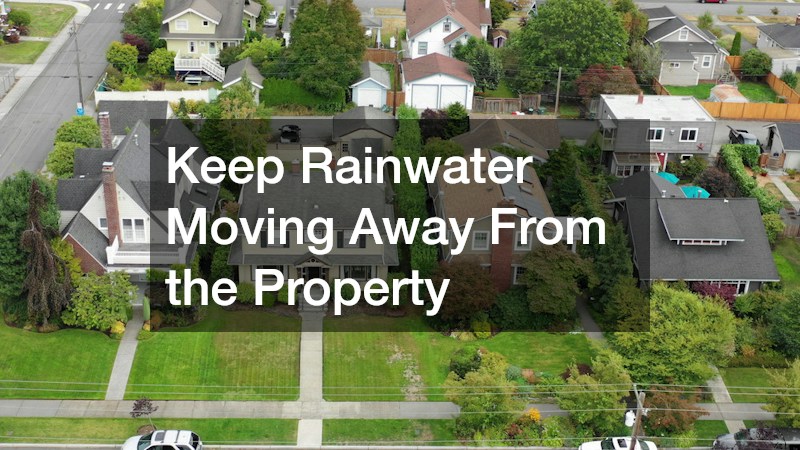
Water management is essential on a homestead because uncontrolled runoff can affect foundations, landscaping, driveways, gardens, and outbuildings. Gutters and downspouts should be inspected regularly to ensure they are directing water away from structures rather than allowing it to collect beside foundations.
Remove leaves, pine needles, twigs, and other debris before they create blockages. Check for sagging sections, loose fasteners, separated joints, corrosion, and damaged downspouts.
When inspecting drainage systems, make sure downspouts discharge water far enough away from buildings to prevent repeated saturation around foundations. Watch for areas where water consistently pools after rainfall. Persistent pooling may indicate that grading or drainage needs to be improved.
Gutter contractors can also evaluate systems that are difficult to access, extensively damaged, or poorly configured. Professional assistance can be particularly useful for large homesteads with multiple buildings where maintaining every drainage system can become a substantial task.
Maintain Exterior Surfaces and Access Areas
Driveways and other access surfaces experience constant wear from vehicles, equipment, weather, and seasonal temperature changes. Regular inspections can help prevent minor surface deterioration from becoming a major access problem.
Look for cracks, potholes, crumbling edges, uneven sections, and areas where water collects. Drainage is particularly important because standing water can accelerate deterioration and contribute to problems with the surrounding soil.
Small issues should be addressed before winter whenever possible. Freeze-thaw cycles can cause water within cracks to expand and contract, increasing existing damage.
For larger projects, paving professionals can assess whether a surface needs localized repairs, resurfacing, or replacement. The appropriate solution depends on the material, extent of damage, drainage conditions, traffic, and age of the surface.
Sealcoating contractors can also help property owners maintain suitable asphalt surfaces. Sealcoating is a maintenance measure rather than a solution for every type of structural damage, so significant potholes, failed areas, or drainage problems should be addressed appropriately before surface treatments are considered.
Protect Outdoor Living and Working Areas

Homesteads often contain outdoor structures that support gardening, recreation, storage, livestock care, or household projects. These areas should receive the same attention as the main house.
Inspect decks, patios, sheds, fences, gates, and other structures for rot, loose hardware, rust, cracked materials, and water damage. Pay close attention to posts and connections because deterioration in structural components can create safety hazards.
Outdoor shade structures such as pergolas can make work and gathering areas more comfortable, but they still require regular maintenance. Check posts, beams, fasteners, and joints for movement or deterioration. Keep vegetation from becoming excessively dense around the structure, as trapped moisture can accelerate decay.
Wooden structures may need periodic cleaning, staining, sealing, or painting, depending on their material and exposure. Metal components should be monitored for corrosion, while composite materials should be cleaned according to manufacturer recommendations.
Do not overlook the ground surrounding outdoor structures. Poor drainage, erosion, and persistent moisture can undermine posts and foundations over time.
Prevent Plumbing Problems Before They Disrupt Homestead Life
Reliable water systems are especially important on a homestead. A plumbing problem can interfere with cooking, cleaning, bathing, gardening, livestock care, and other daily activities.
Inspect exposed pipes, outdoor faucets, hose connections, valves, and fixtures for leaks. Even a small drip can waste water and signal a deteriorating connection or component. Indoors, watch for slow drains, low water pressure, unexplained changes in water usage, or unusual odors.
Before freezing weather arrives, protect vulnerable pipes and disconnect hoses from exterior faucets. Pipes located in unheated spaces should receive appropriate protection based on local conditions and the plumbing system’s requirements.
Know the location of the home’s main water shutoff valve. Everyone in the household should know how to turn it off in an emergency.
Professional plumbing services may be necessary when problems involve hidden leaks, damaged pipes, water heaters, sewer or drainage issues, or other repairs that go beyond routine homeowner maintenance. Addressing these problems promptly can help limit water damage and disruption.
Keep Heating and Cooling Systems Reliable
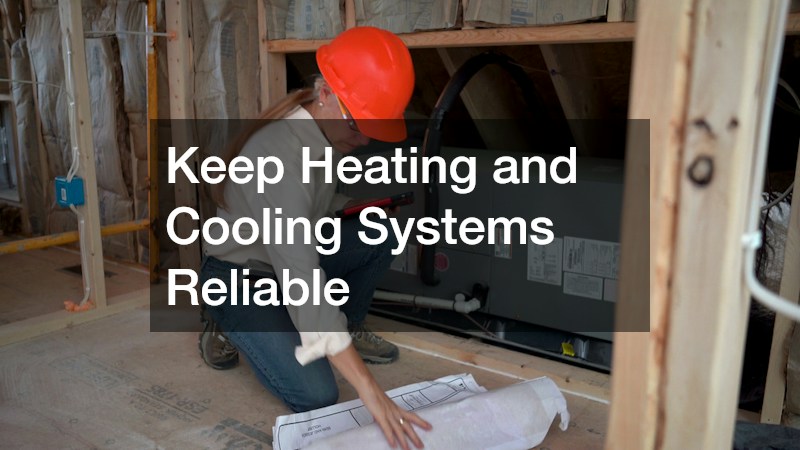
Heating and cooling equipment has a major effect on comfort and indoor air quality, while a failure during extreme weather can quickly become a serious inconvenience.
Start with the basics. Check filters regularly and replace or clean them according to the equipment manufacturer’s instructions. Keep vents and registers free of furniture, stored items, dust, and other obstructions.
For outdoor equipment, remove leaves, grass clippings, branches, and other debris that could interfere with airflow. Keep vegetation around the unit from becoming overgrown.
Watch for warning signs such as:
- Unusual noises or vibrations
- Strange odors
- Uneven temperatures between rooms
- Reduced airflow
- Unexpected increases in energy consumption
- Frequent cycling
- Difficulty maintaining the desired temperature
Routine HVAC services can help identify developing problems and keep equipment operating according to manufacturer specifications. Preventive maintenance is particularly useful before periods of heavy heating or cooling demand.
Know When Mechanical Repairs Require Professional Help
Homesteaders often have strong practical skills and may be comfortable handling many maintenance tasks. However, knowing when to stop a DIY project is just as important as knowing how to start one.
Mechanical systems can contain electrical components, pressurized refrigerant, moving parts, combustion equipment, or other hazards. Attempting an unfamiliar repair without the necessary training can damage equipment or create a safety risk.
If a heating or cooling system begins to malfunction, document the symptoms rather than repeatedly resetting the equipment or attempting improvised repairs. Note when the problem occurs, what sounds or odors are present, and whether the system is producing any heat or cooling.
An HVAC contractor can diagnose problems that require specialized tools or technical knowledge. Professional evaluation can also be useful when equipment is aging, repairs have become increasingly frequent, or performance has changed significantly.
Keep Garage Doors and Entry Points Safe
Garage doors are heavy mechanical systems that deserve routine inspection. A malfunctioning door can create a safety hazard and prevent access to vehicles, tools, equipment, or storage areas.
Inspect the door’s tracks, rollers, hinges, cables, springs, and weather seals. Watch for unusual movement, excessive shaking, grinding, or other sounds that were not present previously.
Test automatic safety features according to the manufacturer’s instructions. Keep tracks and surrounding areas free from objects that could interfere with operation.
Do not attempt to repair broken springs or cables without the appropriate expertise and equipment. These components can be under substantial tension and may cause serious injury if handled improperly.
A garage door contractor can evaluate malfunctioning doors and determine whether individual components can be repaired or whether replacement is more appropriate. Regular professional evaluation may also help identify worn parts before they fail unexpectedly.
Build a Seasonal Homestead Maintenance Schedule
A seasonal schedule makes a large property easier to manage because maintenance tasks can be matched with the conditions in which they matter most.
Spring
Spring is an ideal time to assess winter damage. Inspect roofs, gutters, exterior walls, driveways, fences, and outbuildings. Check exposed plumbing for signs of freezing or cracking.
Clear winter debris from drainage areas and make sure water has a clear path away from buildings. Inspect outdoor structures before using them heavily during warmer months.
Summer
Summer maintenance should focus on outdoor areas and systems that receive increased use. Monitor roofs and drainage systems during storms, maintain outdoor structures, and check exterior faucets and irrigation-related plumbing.
Cooling equipment should remain free of debris, and property owners should address driveway deterioration before extreme weather causes further damage.
Fall
Fall is the time to prepare the property for winter. Clean gutters and downspouts, remove leaves from drainage areas, inspect heating systems, and protect vulnerable plumbing.
Trim branches that could fall during winter storms. Inspect garage doors, gates, and other frequently used entry points to make sure they are functioning properly before cold weather arrives.
Winter
Winter maintenance involves monitoring rather than completing major exterior projects whenever the weather makes them unsafe. Watch for frozen pipes, leaks, ice buildup, roof damage, and heating problems.
After significant snow or ice events, inspect the property when conditions are safe. Document issues that need attention once weather conditions improve.
Create a Homestead Maintenance Budget
Maintenance becomes easier when expenses are anticipated rather than treated as surprises. Divide the budget into several categories:
- Routine maintenance
- Preventive maintenance
- Emergency repairs
- Equipment replacement
- Long-term property improvements
Prioritize issues involving safety, water intrusion, structural integrity, and essential utilities. Cosmetic improvements can generally be scheduled around those more urgent needs.
Keep receipts and service records for major repairs. Record the age of appliances, heating and cooling equipment, roofing materials, driveway surfaces, water heaters, and other significant components. Knowing when something was installed can make it easier to anticipate future expenses.
A maintenance fund can also help reduce the pressure of unexpected repairs. Even small regular contributions can provide resources for necessary work when something fails.
Keep Detailed Records for Long-Term Property Care
A maintenance log can become one of the most valuable tools on a homestead. Record inspection dates, repairs, costs, service providers, replacement dates, and recurring maintenance requirements.
Keep manuals and warranty information for major equipment in one location. Digital photographs can supplement written records and make it easier to compare a structure’s condition over several years.
A useful maintenance record might include:
- Date of inspection
- Area or equipment inspected
- Condition observed
- Repairs completed
- Materials purchased
- Professional services used
- Cost
- Recommended follow-up date
These records can reveal patterns. For example, repeated repairs in the same location may indicate an underlying drainage, structural, or installation problem rather than a series of unrelated failures.
Good documentation also makes long-term planning easier. Instead of wondering when a component was last serviced or repaired, homeowners can consult their records and make informed decisions about upcoming maintenance.
A well-maintained homestead does not depend on completing every project at once. It depends on developing consistent habits that identify problems early, protect essential systems, and keep the property functional through changing seasons.
Regular inspections, preventive maintenance, seasonal planning, appropriate budgeting, and accurate recordkeeping can make property care much more manageable. Just as importantly, recognizing when a project requires specialized expertise can protect both the homeowner and the property.
With a practical maintenance routine, homesteaders can spend less time reacting to preventable problems and more time enjoying the home, land, and projects that make homesteading rewarding.