A calm afternoon can evolve into a devastating weather event in a matter of hours, bringing high-velocity winds, punishing hail, and torrential rainfall that tests the structural limits of your property. Relying on reactive cleanup is a costly gamble. According to data from the Federal Emergency Management Agency, every single dollar invested in hazard mitigation and proactive property preparation saves an average of six dollars in future disaster losses. Storm damage is rarely an isolated incident; it operates as a chain reaction. A single lifted shingle can allow rainwater to soak attic insulation and collapse a ceiling, while an unsecured patio chair can shatter a first-floor window, altering the internal pressurization of the house and risking roof failure. True property protection requires a systematic approach. By reinforcing exterior weak points from the roofline down to the yard, swimming area, and perimeter drainage systems, homeowners can effectively shield their investments before the next severe weather warning is ever issued.
Reinforcing the Upper Envelope Against Wind and Hail
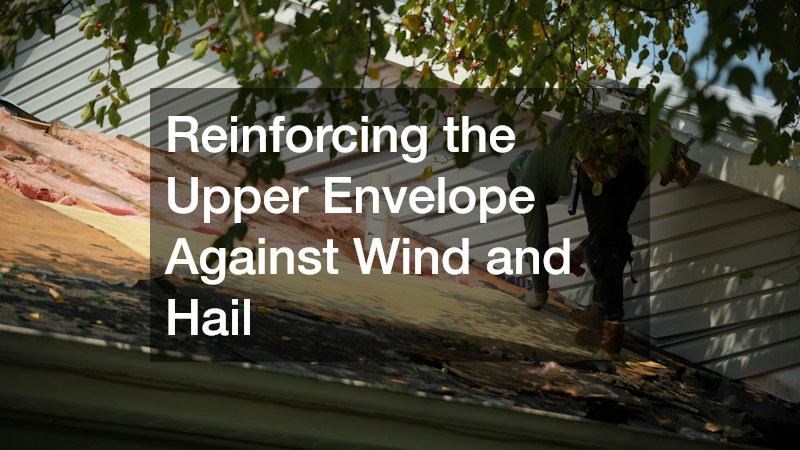
During high-wind events, your roof acts as the primary shield for your home. Unfortunately, wind-driven rain is notorious for exploiting the smallest vulnerabilities in this upper envelope. When gale-force gusts sweep across a roof, they create negative pressure, causing shingles to lift and flex. Over time, this flexing breaks the adhesive seal, allowing subsequent rain to easily penetrate the underlayment. Vulnerabilities are most often found around complex roof geometries, such as valleys, chimney flashings, skylights, and plumbing vent boots. Scheduling residential roof repair to replace curled tabs, secure lifting ridge caps, and apply polyurethane sealants around penetrations can mean the difference between a dry home and catastrophic water damage. By stopping moisture at the outer layer, you protect your attic insulation, drywall ceilings, and internal framing from rotting or collapsing under the weight of trapped water.
Homeowners in active storm zones should also consider structural upgrades that align with the Insurance Institute for Business and Home Safety (IBHS) FORTIFIED standards. Upgrading the mechanical attachment of your roof decking by using ring-shank nails instead of smooth nails dramatically increases the wind resistance of the wood panels. Additionally, applying a specialized waterproof tape over the seams of the roof decking can prevent up to ninety-five percent of water intrusion even if the outer shingles are completely blown away. If your current roof is nearing the end of its functional lifespan, it is highly recommended to consult a licensed roofing contractor about upgrading to Class 4 impact-resistant materials. These advanced shingles, often formulated with polymer-modified asphalt, or standing-seam metal roofing systems, are specifically engineered to withstand large, wind-driven hail without fracturing.
To secure the upper envelope of your home effectively, focus on these critical tasks:
- Inspect and secure all soffit and gable vents with heavy-duty stainless steel fasteners so they cannot be blown inward by sudden pressure changes.
- Re-caulk dried or cracked seals around skylights, chimney steps, and ventilation pipes using a high-grade, UV-resistant exterior sealant.
- Document the pre-storm condition of your entire roof and attic space with timestamped photographs and videos to streamline potential insurance claims.
- Ensure attic insulation is not blocking soffit airflow, which helps equalize pressure and manage internal moisture during shifting weather.
Managing Stormwater Runoff and Protecting the Base
The sheer volume of water generated by a severe thunderstorm or hurricane is staggering, and if that runoff is not meticulously managed, it will inevitably find its way into your home’s lower levels. When soil adjacent to your home becomes completely saturated, it expands and exerts immense hydrostatic pressure against basement or crawlspace walls. This relentless pressure can push moisture through microscopic pores in the concrete, leading to structural bowing, mortar degradation, and widespread interior flooding. The first line of defense is ensuring the earth immediately surrounding your property slopes away from the structural walls, dropping at least six inches over the first ten feet. If you notice stair-step cracking in your exterior brickwork, doors that suddenly begin to stick in their frames, or persistent dampness along baseboards, it is wise to consult a foundation repair specialist to assess and stabilize the structural integrity of your home before the rainy season accelerates the degradation.
Equally important to soil grading is the management of your home’s hardscapes and gutter systems. Sunken driveways, settled walkways, and poorly pitched patio slabs often act as impermeable funnels, directing thousands of gallons of concentrated roof runoff straight toward your living spaces. When concrete slabs settle inward, they override any positive soil grading you may have established. In these scenarios, homeowners should hire experienced concrete contractors to mudjack sunken slabs back to their proper pitch, pour newly graded perimeter aprons, or install heavy-duty trench drains that intercept sheet flow.
To keep your home’s base dry and stable during extreme deluges, implement the following drainage strategies:
- Clean all gutter channels thoroughly and install commercial-grade gutter guards to prevent organic debris from causing overflows during torrential downpours.
- Extend all downspouts a minimum of six feet away from the exterior walls using solid corrugated piping or buried pop-up emitters.
- Seal all hairline masonry cracks along the visible exterior base with an elastomeric masonry caulk that can stretch and contract with temperature shifts.
- Test primary sump pumps and install a reliable, high-capacity battery backup system to ensure continuous water extraction if the municipal power grid fails.
Prepping Walkways, Patios, and Exterior Siding
Exterior siding, outdoor walkways, and patios endure the brunt of severe weather long before wind and rain breach your home. Maintaining the integrity of these exterior surfaces requires more than just aesthetic upkeep; it demands a focus on permeability, material stability, and water-tightness. Over the course of a year, algae, mildew, dirt, and trapping grime accumulate on siding panels, retaining moisture against the walls and accelerating the deterioration of wood, vinyl, or stucco. More dangerously, this layer of grime can easily obscure the early warning signs of failing window seals, rotting trim, or missing caulk. Scheduling residential power washing well ahead of storm season ensures that exterior walls, decks, and hardscapes are stripped of moisture-retaining biological growth. Using an appropriate low-pressure soft-wash technique on delicate siding materials cleans the surface safely, allowing you to clearly inspect utility penetrations, door frames, and window trims. Once the surfaces are clean and dry, you can apply fresh exterior-grade silicone caulk to ensure wind-driven rain cannot be forced into the wall cavities.
On the ground level, intense rainstorms can wreak havoc on interlocking hardscapes. Torrential downpours rapidly erode unstabilized joint sand, causing once-level patio stones and walkway bricks to shift, sink, or become dangerous tripping hazards—a particularly serious issue if you are navigating your property during a storm-induced power outage. Upgrading and maintaining these surfaces enhances your property’s ability to manage surface water. Homeowners can collaborate with local paver companies to re-level uneven aggregate bases, replenish depleted joints with specialized polymeric sand that hardens to resist erosion, or transition traditional solid patios into permeable paver systems. Permeable hardscapes are highly advantageous during heavy storms because they allow rapid surface water to filter naturally into the underlying soil rather than flooding adjacent turf or pushing water back toward the house.
To prep your exterior surfaces and hardscapes for severe weather, take these specific actions:
- Replace all degraded or missing weatherstripping around exterior doors to create an airtight, watertight compression seal against driving winds.
- Sweep specialized polymeric binding sand into hardscape joints, misting it lightly with water so it cures and locks the stones firmly in place against floodwaters.
- Clear away wet leaf debris and mulch buildup from the bottom edge of siding to prevent moisture wicking and insect intrusion during wet weather.
Taming Overhanging Foliage and Anchoring Backyard Structures
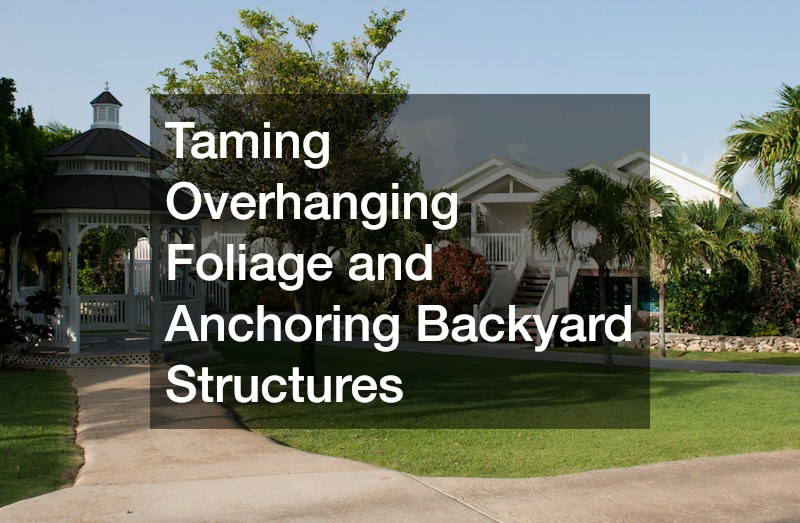
While mature landscaping and outdoor structures add value to a property, they can easily become sources of destruction during a severe weather event. Trees with dense canopies, dead limbs, or shallow root systems are particularly vulnerable to high-velocity, straight-line winds. When a tree’s canopy is too thick, it acts like a massive sail, absorbing the full brute force of the wind rather than allowing the gusts to pass through harmlessly. This intense wind load can snap large branches or uproot the entire tree, sending thousands of pounds of wood crashing into your roof or overhead utility lines. Engaging certified tree services to perform professional crown thinning, remove hazardous deadwood, and prune back any branches encroaching within ten feet of your roofline drastically reduces this risk. Professional arborists can also spot hidden trunk decay, fungal infections, or root rot that might otherwise go unnoticed until a storm topples the compromised tree.
Beyond the natural landscape, open-air backyard structures such as gazebos, carports, and shade covers are highly susceptible to sudden microbursts and intense updrafts. Because these structures lack solid walls, wind easily rushes underneath the roofing panels, generating upward pressure that can rip the canopy off its posts. Homeowners should verify the specific wind-load ratings and recommended anchoring hardware directly with their pergola manufacturer rather than assuming standard surface brackets are sufficient. Upgrading to heavy-duty galvanized post bases, deep concrete footings, and hurricane ties is essential for keeping these structures grounded.
In the final hours before a severe weather system arrives, implement this rapid yard sweep protocol:
- Relocate loose patio cushions, lightweight outdoor furniture, and small potted plants into a secure garage or shed.
- Lay large, unwieldy items like trampolines, patio heaters, or heavy grills on their sides and secure them to deep ground anchors using heavy-duty ratchet straps.
- Remove temporary shade sails or canvas canopy tops from outdoor structures, as these fabrics catch massive amounts of wind and can bend metal framing.
- Clear away loose yard debris, stray branches, and stacked firewood that could either become airborne projectiles or wash into street gutters and cause localized flash flooding.
Safeguarding Swimming Pools and Backyard Water Equipment
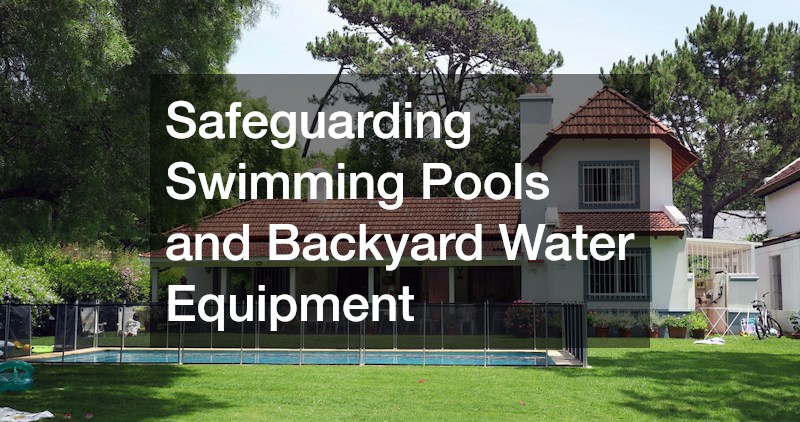
Swimming pools and integrated water features require specialized attention prior to severe weather, as heavy rainfall and high winds create unique hazards for aquatic systems. One of the most dangerous, yet pervasive, myths in storm preparation is the idea that you should drain your swimming pool to prevent overflows. Draining a pool is catastrophic. When the surrounding ground becomes saturated with runoff, the soil exerts massive upward hydrostatic pressure. Without the immense weight of the water inside the basin holding it down, an empty pool can literally float, popping out of the ground and destroying the entire surrounding deck and plumbing infrastructure. Follow the guidance of custom pool builders by keeping the water at its normal operating level, or lowering it slightly only if your pool lacks an overflow drain.
Preparation must also extend to the pool’s equipment pad and interior lining. The heavy influx of rainwater will radically alter the chemical balance of the pool, while wind-driven debris introduces a heavy organic load. Shock-treating the water with a high dose of chlorine before the storm hits helps combat the inevitable surge of bacteria and algae. Additionally, power surges from lightning strikes are notorious for frying expensive filtration pumps and salt cell controllers. Shut off power to the pool equipment at the circuit breaker and wrap the pump motors in waterproof tarps. Inside the pool, sharp flying branches, heavy hail, and sudden groundwater shifts can easily puncture, wrinkle, or dislodge delicate vinyl surfaces. If you observe rapid water loss or floating wrinkles after the storm, these indicate you may require professional pool vinyl liner replacements to prevent underlying wall panels from rusting.
To secure your backyard water systems, check off these critical steps:
- Remove robotic pool vacuums, skimmer nets, and chemical floaters from the water, storing them safely indoors to prevent them from becoming destructive projectiles.
- Leave winter safety covers off the pool during hurricane-force winds, as flying debris can easily shred the expensive mesh and warp the embedded deck anchors.
- Turn off all propane or natural gas lines feeding the pool heater to prevent dangerous gas leaks if the equipment pad shifts or settles.
- After the storm clears, visually inspect all perimeter fencing and clear the skimmer baskets of debris before turning the main power back on.
Fortifying your property against severe weather is not a task that can be successfully rushed in the frenzied hours immediately preceding a storm warning. It is an ongoing, integrated process that connects your roof’s structural integrity, your property’s soil grading, the stability of your hardscapes, and the health of your landscaping into one cohesive, resilient system. Waiting until the sky turns dark inevitably leads to rushed, temporary fixes that rarely withstand the full force of a major meteorological event.
Instead of relying on last-minute preparations, homeowners should establish a proactive seasonal action plan. Break these critical tasks into manageable spring and autumn maintenance checkpoints, allowing ample time to assess wear and tear, budget for necessary material upgrades, and schedule repairs without the pressure of an impending deadline. Walk your property’s perimeter this week, identify your most pressing vulnerabilities, and begin addressing them immediately. By taking deliberate, methodical steps today, you ensure that your home remains a safe, unyielding sanctuary regardless of what the forecast brings tomorrow.