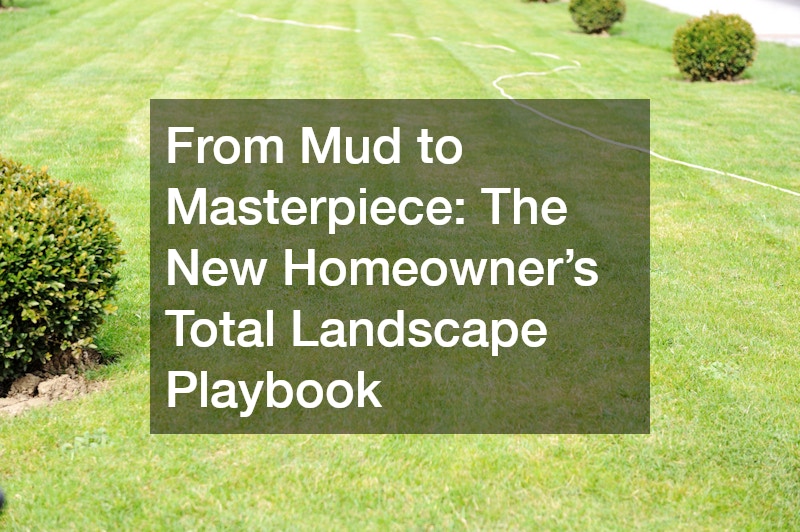
The transition from receiving the keys to a new house to finally feeling at home often happens in stages. For many, the interior is the focus for the first few months, as boxes are unpacked and furniture is arranged. However, looking out the back window frequently reveals a stark contrast to the cozy interior. New construction homes, in particular, often leave owners with a property that looks more like a construction site than a sanctuary. The journey from a yard full of mud and tire tracks to a lush, functional masterpiece requires a strategic approach. It is not just about planting a few shrubs; it is about building an ecosystem that adds value to the home and quality to daily life.
Assessing the Canvas and Designing the Vision
Before a single shovel hits the ground, the most critical step is observation. A homeowner needs to understand how water moves across the land when it rains, where the sun hits at different times of the day, and how the wind blows through the property. These natural elements dictate what will thrive and what will fail. Mapping out these zones helps in deciding where a quiet reading nook might go versus where a high-energy play area for children belongs. This phase is about dreaming big but grounding those dreams in the reality of the local climate and soil conditions.
Once a general idea of the layout is in mind, professional guidance becomes invaluable. Engaging a local landscaper early in the process can save thousands of dollars in potential mistakes. These experts understand which plants are native to the area and which invasive species to avoid. They can help draft a master plan that considers drainage, grading, and the long-term growth of trees. A professional eye can spot issues that a homeowner might miss, such as a slope that could lead to basement flooding if not addressed with proper grading or retaining walls. This initial planning stage sets the tone for everything that follows, ensuring the final result is cohesive rather than a series of disconnected projects.
Building the Solid Foundation of Hardscaping
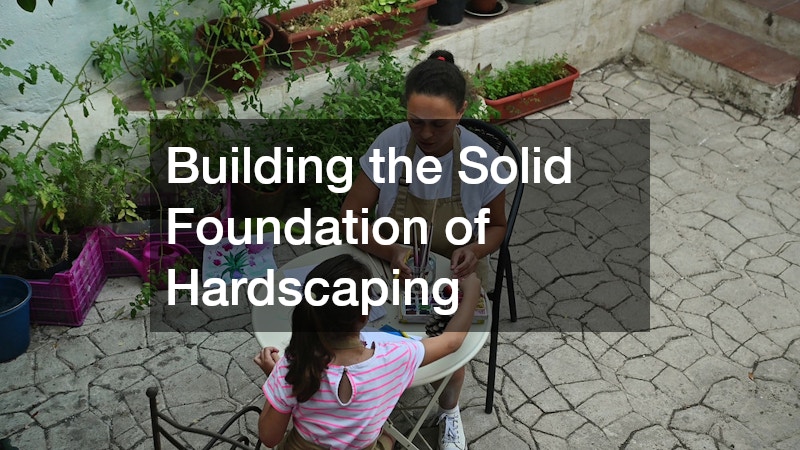
With a plan in hand, the focus shifts to the hardscaping—the “bones” of the yard. This is the work that involves stone, brick, and concrete. It is the most permanent part of the landscape and should be done before any delicate planting begins. Hardscaping provides the structure that defines different outdoor rooms. Whether it is a winding walkway that leads to a hidden bench or a grand patio for evening dinners, the materials chosen should complement the architectural style of the house.
A skilled masonry contractor is essential for this phase. They handle the heavy lifting of installing pavers, building stone pillars, or creating fire pits that will last for decades. This type of work requires precision and a deep understanding of how various materials react to freeze and thaw cycles. Proper base preparation is key; without a compacted gravel and sand foundation, even the most beautiful stone patio will shift and crack over time. By investing in quality masonry work, the homeowner ensures that the property has a rugged, high-end feel that serves as the perfect backdrop for the softer elements of the yard.
Creating Elevated Spaces for Connection
The transition from the back door to the yard is often best served by an elevated structure. This area acts as a bridge between the indoor living space and the natural world outside. An elevated platform provides a level surface for outdoor furniture and a grill, making it the primary spot for entertaining guests. In many modern homes, this space becomes a second living room, complete with comfortable seating and perhaps even an outdoor television or weather-resistant rugs.
To achieve a result that is both safe and visually striking, homeowners should consult a professional deck builder. They can advise on the pros and cons of different materials, such as traditional pressure-treated wood, cedar, or modern composite decking. While wood offers a classic look and feel, composites are increasingly popular for their low maintenance requirements and resistance to rot. A pro will also ensure that the structure meets local building codes and is properly anchored to the house. This phase of the project is where the yard starts to feel like a functional extension of the home, providing a vantage point from which to enjoy the rest of the transforming landscape.
Defining Boundaries and Enhancing Privacy

As the central features of the yard take shape, the perimeter becomes the next point of focus. In many new developments, houses are built relatively close together, making privacy a rare commodity. Establishing clear boundaries is not just about marking property lines; it is about creating a sense of seclusion and security. A well-designed perimeter can block out the noise of a nearby street and keep pets or children safely within the yard.
Securing a reliable fence service is the most effective way to handle this requirement. The choice of fencing style can dramatically change the vibe of the property. A tall, solid wooden fence offers maximum privacy, while a classic picket fence provides a more open, neighborly feel. Some homeowners prefer the industrial look of black aluminum or the low-maintenance appeal of vinyl. Beyond just the materials, the installation must be done correctly to withstand high winds and soil movement. A professional installation ensures that the lines are straight and the gates function smoothly, providing a polished frame for the entire landscape masterpiece.
Organizational Hubs and Functional Structures
In any active yard, there is a need for tools, equipment, and seasonal storage. Without a dedicated space, lawnmowers, bags of mulch, and bicycles often end up cluttering the garage or sitting out in the elements. Integrating a functional outbuilding into the landscape design is a smart way to maintain order. Rather than an afterthought, this structure should be treated as part of the overall aesthetic, perhaps painted to match the house or tucked away behind a cluster of ornamental trees.
A well-constructed garden shed can serve many purposes beyond just storage. Some use them as potting sheds for starting seeds in the spring, while others convert them into small workshops or creative studios. When choosing a location, it is important to consider accessibility; it needs to be easy to reach with large equipment, but ideally not the first thing a guest sees when they enter the yard. By incorporating this structure into the initial master plan, the homeowner can ensure it has a proper foundation and does not interfere with drainage patterns established during the earlier masonry and grading phases.
Establishing the Perfect Green Carpet
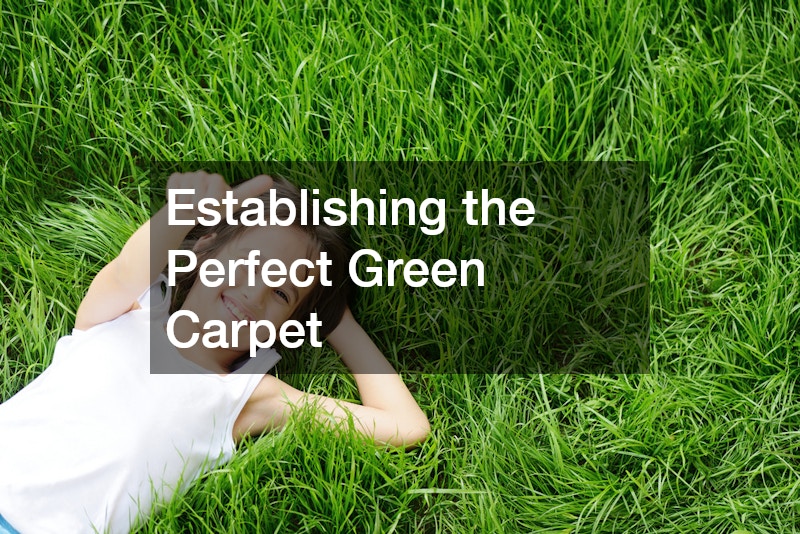
Once the heavy construction and structural elements are in place, it is finally time to address the “mud” aspect of the new home. For many, a lush green lawn is the hallmark of a completed yard. However, growing grass from scratch can be a daunting task, especially on large lots or sloped terrain where traditional seeding might wash away with the first rain. The goal is to establish deep roots quickly to prevent erosion and create a durable surface for foot traffic.
For large-scale projects, many homeowners turn to hydroseeding companies to get the job done efficiently. This process involves spraying a slurry of seed, mulch, fertilizer, and water onto the soil. The mulch helps retain moisture and protects the seeds from birds and wind, leading to faster germination than traditional methods. It is a cost-effective alternative to sodding, particularly when a specific blend of grass is needed to match the local microclimate. As the bright green slurry begins to sprout, the property undergoes its most dramatic transformation, finally replacing the brown dirt with the vibrant life of a new lawn.
Nurturing Growth Through Scientific Care
Establishing a lawn is only the first half of the battle; keeping it healthy and resilient is an ongoing process. Soil in new developments is often depleted of nutrients due to the heavy machinery and grading that occur during construction. To help the new grass thrive, it needs a steady supply of minerals and organic matter. This is not a “one size fits all” task, as different types of grass and soil compositions have varying requirements throughout the year.
A consistent schedule of fertilizing is necessary to build a strong root system and a thick canopy that can naturally choke out weeds. Spring applications focus on waking up the grass and encouraging top growth, while autumn treatments are crucial for winter hardiness and root development. Using the right balance of nitrogen, phosphorus, and potassium is a bit of a science. Over-applying can lead to chemical runoff into local waterways, while under-applying leaves the lawn sparse and vulnerable to disease. By following a professional-grade nutrient plan, homeowners can ensure their green carpet remains plush and healthy through every season.
The Long-Term Commitment to Outdoor Health
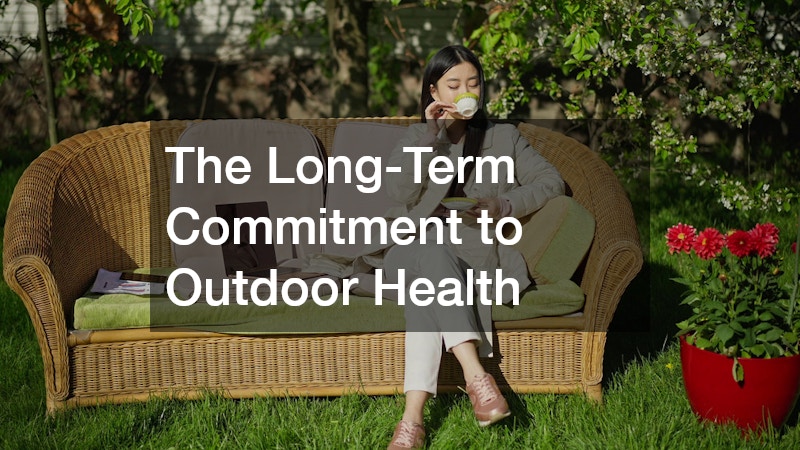
As the landscape matures, the needs of the property shift from installation to maintenance. A yard is a living, breathing entity that requires regular attention to look its best. This involves more than just the occasional chore; it is about observing the health of every plant and the condition of the turf. Without regular care, even the most expensive landscape can quickly become overgrown or plagued by issues like soil compaction and thatch buildup.
Dedicated lawn care involves a variety of tasks such as aeration, overseeding, and precision mowing. Aeration is particularly important for new homes where the soil may still be compacted from construction, as it allows oxygen and water to reach the roots. Mowing at the correct height is also a factor that many overlook; cutting grass too short can stress the plants and allow the sun to dry out the soil. By staying on top of these small but significant tasks, the homeowner protects their investment and ensures that the “masterpiece” they have built continues to improve with age rather than degrading.
Defending the Sanctuary from Unseen Visitors
A beautiful yard attracts more than just admiring glances from neighbors; it can also attract a variety of unwanted guests. Insects and other pests can quickly turn a dream landscape into a source of frustration. Some pests, like certain beetles or grubs, target the root systems of the lawn, causing brown patches to appear seemingly overnight. Others, like termites or carpenter ants, can threaten the wooden structures like fences and decks, that were so carefully installed.
Implementing a proactive plan for pest control is the best way to keep these threats at bay. It is about balance; the goal is to manage harmful populations without destroying the beneficial insects like bees and butterflies that help the garden thrive. Professional services can provide targeted treatments that create a barrier around the home and the most sensitive areas of the yard. This defensive layer ensures that the outdoor living spaces remain comfortable for humans and pets, free from the annoyance of biting insects or the damage caused by wood-boring pests. It is the final piece of the puzzle in creating a truly relaxing environment.
Final Touches and Seasonal Color
With the lawn green, the structures solid, and the perimeter secure, it is time to add the personality and flair that make a yard unique. This is the stage where the homeowner can really express their personal style. While trees and shrubs provide the year-round structure, flowers provide the pops of color and the fragrance that define a season. Whether it is the bright tulips of spring or the deep mums of autumn, these finishing touches are what make a landscape feel finished.
A visit to a local floral shop is often the best way to find inspiration for these final details. Unlike big-box stores, these shops often carry unique varieties of perennials and annuals that are specifically chosen for their success in the local environment. They can offer advice on which flowers will work best in window boxes, hanging baskets, or the borders of the masonry paths. Adding these layers of texture and color completes the visual journey. It turns a well-engineered property into a warm, inviting home. The transition from mud to masterpiece is finally complete, leaving the homeowner with a legacy of beauty that will continue to grow and evolve for years to come.
The process of building a landscape is rarely a sprint; it is a marathon that requires patience, planning, and the right partners. By taking it one phase at a time—from the initial design to the final flower—the overwhelming task of a bare lot becomes a series of manageable victories. The result is a property that not only looks spectacular from the street but also functions as a true sanctuary for those who live there. In the end, the effort put into the land is returned tenfold in the form of peaceful afternoons, joyful gatherings, and the simple satisfaction of watching a garden grow.