
Undertaking a major property transformation represents an ambitious, life-altering endeavor. The prospect of customizing a living space to match specific functional needs and personal styles brings a unique sense of excitement. However, the path to a finished home is often paved with logistical hurdles, unexpected delays, and sudden budget shifts. For many individuals, the sheer scale of managing multiple trade specialties simultaneously can quickly turn an exciting investment into a stressful ordeal. The secret to minimizing chaos during these extensive projects does not lie in choosing the most expensive materials or pushing for impossibly fast completion dates. Instead, success rests entirely on the specific order in which tasks are executed.
A properly organized construction timeline acts as a shield against repetitive labor and wasted capital. When tasks are performed out of sequence, the results are almost always costly. Imagine painting a wall only to cut into it days later for new wiring, or laying down expensive hardwood flooring before fixing a leak in the ceiling. These nightmare scenarios occur frequently when project sequencing is ignored. To avoid these traps, homeowners must understand the exact chronological progression required to complete a comprehensive upgrade safely and efficiently. This guide outlines the precise steps needed to navigate large-scale home remodeling projects, detailing exactly which professionals should arrive at the property and the specific order in which their skills must be deployed to guarantee an enduring, high-quality result.
Establishing a Solid Foundation from the Ground Up

Before cosmetic finishes or wall framing can begin, the structural integrity of the entire building must be assessed and secured. Every building relies on its base to support the weight of subsequent upgrades, meaning that any underlying compromise will eventually jeopardize the entire project. Water infiltration represents the single greatest threat to structural longevity, capable of rotting wood framing, ruining drywall, and encouraging hazardous mold growth long before the project reaches completion. Therefore, fixing subterranean moisture issues is always the absolute first step in a major renovation timeline.
Addressing these issues early prevents newly installed materials from suffering moisture damage later down the line. A damp, unstable foundation will ruin new flooring and cause musty odors to permeate upper levels, completely undermining the value of interior upgrades. Professionals specializing in sub-grade structural protection must evaluate the property to address cracks, poor soil drainage, and hydrostatic pressure issues. Investing in comprehensive basement waterproofing during the initial phase ensures the lower levels of the structure remain dry, stable, and ready for future framing or finishing. By tackling the lowest point of the house first, property owners create a reliable, secure environment that protects every single dollar spent on subsequent construction phases. This initial step establishes a clean baseline, ensuring that future structural elements rest on a completely dry, reinforced foundation that will stand up to changing seasons and shifting soil conditions over time.
Securing the Exterior Envelope and Upper Barriers
With the foundation safely secured against underground moisture, attention must immediately shift upward to the exterior shell of the building. Protecting a home from the elements requires a top-down strategy that shields the interior from rain, wind, and temperature fluctuations. If the exterior envelope remains vulnerable to leaks, any progress made inside the walls will eventually face destruction. Construction crews cannot safely install insulation, hang drywall, or mount electrical fixtures if there is a persistent risk of water dripping through the ceiling during a sudden rainstorm.
For this reason, securing the top barrier of the structure takes precedence over any internal upgrades. Homeowners should immediately bring in a qualified roofing contractor to inspect the integrity of the shingles, underlayment, flashing, and gutter systems. If the roof requires a total tear-off or significant structural repairs, this dirty, heavy work must occur before interior modifications begin. Dropping heavy bundles of shingles and walking across the roof structural framing causes vibrations throughout the entire house. If interior drywall is already hung, these exterior vibrations can cause fresh seams to crack and pop. By ensuring the roof is fully watertight and structurally sound before starting interior renovations, the property remains entirely protected from unpredictable weather patterns, allowing subsequent trades to work in a dry, safe, and controlled environment.
Navigating the Complexities of Mechanical Rough-Ins
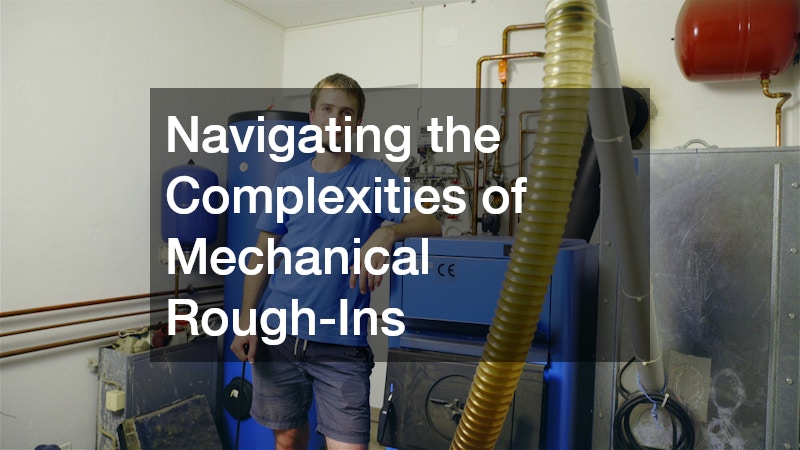
Once the exterior shell is completely impervious to the weather, the renovation enters one of its most critical stages: the mechanical rough-in phase. This step takes place while the wall studs are completely exposed, long before any drywall or insulation hides the inner workings of the property. Mechanical systems form the invisible circulatory and respiratory networks of a modern house. Attempting to modify these systems after walls are closed is exceptionally difficult and unnecessarily expensive, making total accessibility a vital requirement during this period.
The coordination of these systems requires a strict hierarchy to avoid spatial conflicts behind the scenes. Large, rigid structures must always be installed first because they lack flexibility. Sheet metal ducts and heavy ventilation lines require significant physical space within ceiling joists and wall cavities. Consequently, a team specializing in HVAC services should be the first mechanical trade to enter the site. They will map out the pathways for air distribution, install main trunk lines, and position air handlers without having to navigate around other utility lines.
Immediately following the ductwork installation, attention turns to the fluid systems of the home. A licensed plumber must walk through the open framework to run new supply lines, position drain pipes, and establish vent stacks. Because drain pipes rely heavily on gravity and require precise slopes to function correctly, their paths cannot easily bend around other obstacles. Placing the plumbing layout immediately after the bulky ductwork allows the pipe configurations to take the most direct, code-compliant paths through the building. This carefully orchestrated dance prevents different trades from running their lines through the exact same wall cavities, saving valuable time and preventing structural framing from being over-drilled or weakened by competing installation crews.
Powering Up and Optimizing Household Utilities
After the large ducts and rigid pipes find their permanent homes inside the open walls, the structure is ready for more flexible utilities. Electrical wiring and specialized water treatment equipment represent the final components of the internal rough-in phase. Because electrical wires can easily bend, twist, and snake through small holes drilled in the center of framing studs, they are installed after the bulkier plumbing and heating systems are firmly set in place.
Safety and modern capacity are the primary focuses during this step of the timeline. A certified home remodel electrician should evaluate the existing electrical panel to determine if it can handle the increased power demands of modern appliances, lighting layouts, and updated technology. This professional will pull thousands of feet of wire through the studs, place outlet boxes, run dedicated circuits for heavy machinery, and establish the infrastructure for smart home features.
Simultaneously, long-term appliance preservation should be integrated into the plumbing infrastructure before the water lines are pressurized for daily use. In regions plagued by hard mineral deposits, installing a whole-house water softener is an essential upgrade that should be handled during these foundational mechanical stages. Integrating this system directly into the main water line ensures that every single pipe, faucet, and water-using appliance receives protection from scale buildup right from day one. By addressing both electrical capacity and water quality simultaneously, homeowners safeguard their newly installed infrastructure against premature wear, ensuring that modern conveniences operate at peak efficiency for decades to come without requiring invasive retroactive repairs.
Closing the Fabric of the Structure with Insulation and Drywall
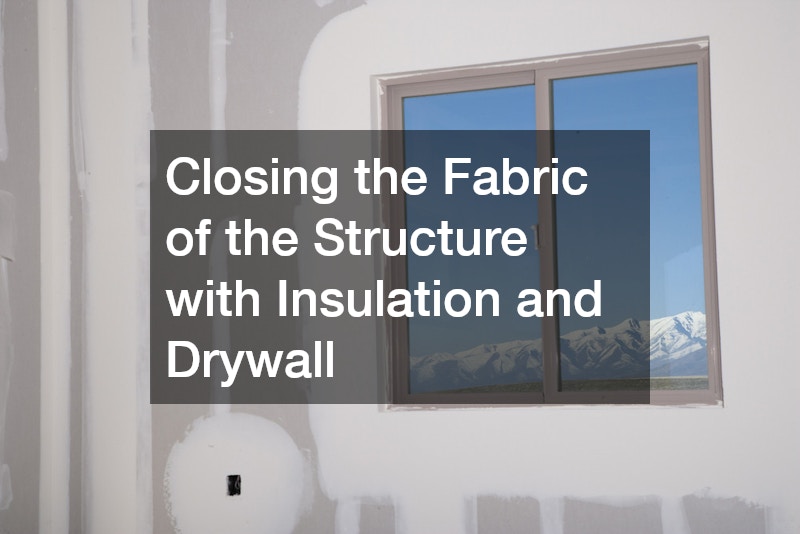
With all mechanical, plumbing, and electrical rough-ins fully inspected and approved by local code officials, the interior of the home can finally begin its visual transformation. This phase represents the literal bridge between raw structural engineering and finished interior design. The open, chaotic view of wires, pipes, and studs disappears behind solid surfaces, transforming a chaotic construction site into distinct, recognizable living spaces.
The process begins with insulation, which is packed tightly into wall cavities and ceiling joists to maximize thermal efficiency and acoustic privacy. Once the insulating barrier is complete, drywall installation begins in earnest. Hanging, taping, and mudding drywall sheets requires immense precision and patience, as any imperfections will become glaringly obvious once paint is applied. This stage generates substantial dust and moisture as coats of joint compound dry over several days. Maintaining proper ventilation and steady interior temperatures is crucial during this curing process to prevent the compound from cracking or failing to adhere. As the drywall dries and is sanded to a smooth finish, the layout of the home is permanently defined. Rooms take on their true dimensions, lighting patterns begin to make sense, and the property finally begins to feel like a habitable home rather than a skeletal framework, setting the stage for finish carpentry, cabinetry installation, and fine interior paint.
Optimizing Property Security and Perimeter Entryways
As the interior finishes progress toward final paint and flooring, the focus shifts outward once again to address large access points and secure perimeter entries. A home requires a smooth transition between its interior sanctuary and the external world, meaning that primary structural openings must be fully functional and secure. Large entryways, particularly attached garages, serve as significant thermal barriers and major security boundaries that require specialized attention before final inspections occur.
A malfunctioning or uninsulated garage door can compromise the energy efficiency of the entire home, allowing cold air or intense heat to seep into adjacent living areas. Therefore, scheduling a comprehensive garage door repair or full system replacement is an essential step as the project nears completion. Technicians ensure that tracks are perfectly aligned, safety sensors operate correctly, counterweights are balanced, and heavy-duty weather stripping creates an airtight seal against the elements. Securing this massive opening prevents unauthorized access to the property while protecting interior climate control systems from working overtime. By finalizing these large moving components late in the process, homeowners protect the mechanical mechanisms from the heavy dust and debris generated during earlier demolition and drywall sanding phases, ensuring long-term operational reliability and immediate peace of mind.
Hardscaping and External Ground Management

The final phase of a comprehensive property transformation moves entirely beyond the walls of the house to address the surrounding land and vehicular access routes. Heavy construction projects inevitably take a toll on the surrounding property, as large delivery trucks, dumpster bins, and heavy machinery repeatedly traverse the outdoor spaces. Attempting to repair or replace exterior flatwork early in a renovation is a recipe for disaster, as heavy vehicles will easily crack fresh concrete or sink new asphalt.
For this reason, exterior ground management should always sit near the very end of the construction sequence. Homeowners should coordinate with professional driveway contractors once all heavy interior deliveries have completely ceased. These specialists will grade the soil, establish proper water runoff slopes away from the newly waterproofed foundation, and pour or lay a durable, attractive parking surface. Whether choosing classic asphalt, durable poured concrete, or elegant interlocking pavers, this step instantly elevates the curb appeal of the property while providing a clean, mud-free approach to the newly renovated home. Properly managing the grading during this step also ensures that rainwater is directed harmlessly toward municipal storm drains rather than pooling near the home’s perimeter, completing the comprehensive water management strategy that began at the very start of the project.
Preserving Exterior Investments for Long-Term Durability
Once the heavy machinery has departed and the new exterior surfaces have had ample time to cure completely, the final protective measures must be applied to ensure the longevity of the outdoor investments. New surfaces remain vulnerable to oil stains, UV degradation, water penetration, and winter freeze-thaw cycles that can cause premature crumbling.
To combat these natural, destructive forces, applying high-grade driveway sealers represents the definitive final touch on the exterior property. This liquid barrier penetrates the surface pores, creating an impervious shield that repels automotive fluids and prevents water from seeping into small crevices where it could freeze and crack the pavement. Taking the time to apply this protective layer preserves the aesthetic beauty of the hardscaping and extends its lifespan by several years. With the exterior protected, the interior fully updated, and the structural systems organized in a logical, durable sequence, the comprehensive renovation process draws to a successful close, leaving behind a beautiful, efficient, and deeply resilient home.