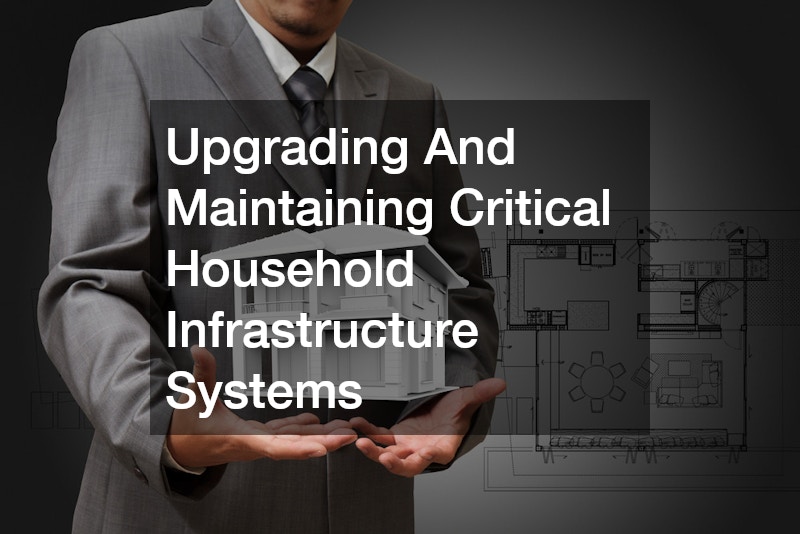
Modern homes rely on a network of interconnected systems that work together to ensure safety, comfort, and long-term livability. These systems include structural components, mechanical equipment, utilities, and exterior features that all require consistent attention. When even one area begins to fail, it can create a ripple effect that impacts energy efficiency, safety, and overall property value.
Upgrading and maintaining a home is not just about fixing problems when they appear—it is about preventing them before they escalate. Many homeowners underestimate how quickly minor issues can develop into major structural or financial burdens. For example, a small leak can lead to water damage inside walls, while outdated electrical or mechanical systems can reduce efficiency and increase long-term operating costs.
This guide breaks down the most important household infrastructure systems and provides actionable strategies for maintaining and improving them. Each section focuses on practical steps homeowners can take, when professional help is necessary, and how to ensure each system remains reliable over time.
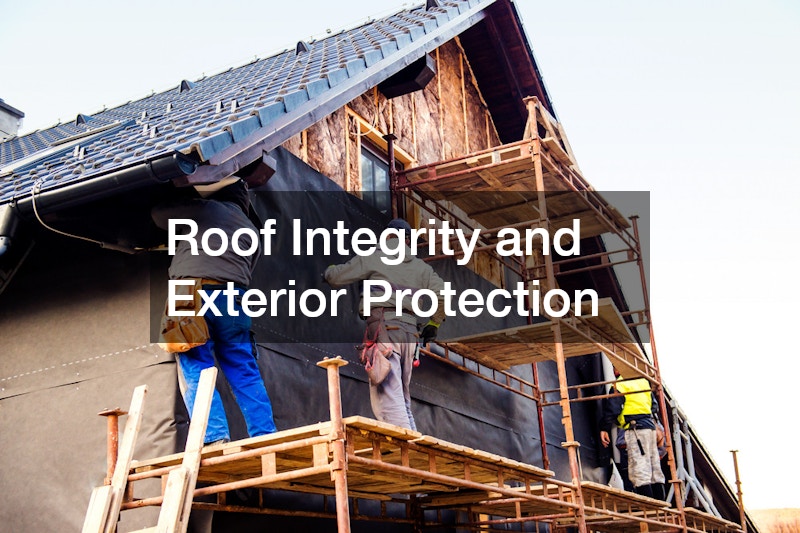
Roof Integrity and Exterior Protection
Garage Access Systems and Entry Efficiency
Garage systems are often one of the most frequently used entry points in a home, yet they are commonly overlooked until something goes wrong. Mechanical wear, sensor misalignment, and outdated components can all contribute to malfunction or safety risks. Because garages are used daily, even small issues can quickly escalate into major operational failures if not addressed early. Weather exposure can also affect performance, especially in regions with temperature fluctuations, where metal components expand and contract over time.
A reliable garage door company can diagnose issues such as uneven movement, motor strain, or faulty safety sensors. These professionals also ensure that systems meet modern safety standards, which is especially important for households with children or frequent vehicle use. In addition, they can identify hidden structural issues such as weakened torsion springs or compromised track systems that may not be obvious during basic inspections.
When upgrading or maintaining garage systems, homeowners should consider:
- Testing safety sensors monthly to ensure proper function
- Lubricating moving parts such as rollers and hinges
- Checking alignment of tracks and springs for wear
- Replacing outdated openers with smart or automated systems
- Scheduling periodic professional inspections
It is also important to clean the garage door tracks regularly, as dirt and debris buildup can cause uneven movement or increased strain on the motor. Homeowners should listen for unusual noises such as grinding or squeaking, which often indicate developing mechanical issues. Addressing these early can prevent costly emergency repairs and extend system lifespan.
For older homes, garage door installation upgrades can significantly improve both convenience and security. Modern systems offer features such as remote access, motion detection lighting, and battery backup during power outages. These enhancements not only improve usability but also strengthen home security. Additionally, insulated garage doors can improve energy efficiency by reducing heat loss between the garage and living spaces, making them a valuable upgrade for overall home performance.
Climate Control and Indoor Air Performance
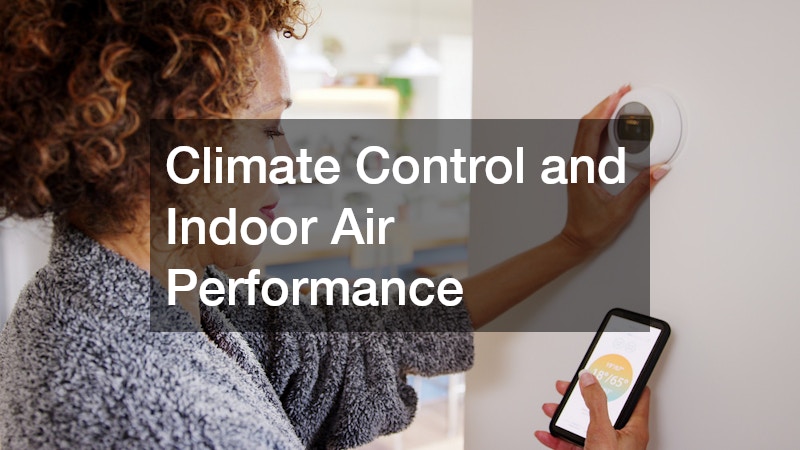
Heating and cooling systems are essential for maintaining indoor comfort throughout the year. However, these systems often degrade slowly over time, making it difficult for homeowners to notice inefficiencies until energy bills increase or performance declines. Environmental factors such as humidity, dust buildup, and seasonal temperature extremes can also place added strain on HVAC components, gradually reducing system effectiveness.
Timely ac repairs can prevent small issues such as refrigerant leaks, clogged filters, or worn components from developing into full system failures. Regular servicing ensures that airflow remains consistent and energy consumption stays efficient. In many cases, early repair work can restore system performance without the need for full replacement, which significantly reduces long-term costs. Technicians can also recalibrate system settings to improve cooling distribution throughout the home.
Homeowners can improve system performance by:
- Replacing air filters every 1–3 months
- Keeping vents unblocked by furniture or debris
- Scheduling seasonal HVAC inspections
- Monitoring unusual noises or inconsistent temperatures
- Cleaning outdoor condenser units regularly
It is also beneficial to inspect ductwork for leaks or blockages, as hidden air loss can significantly reduce system efficiency. Sealing ducts properly helps maintain consistent airflow and reduces strain on the HVAC system. Additionally, maintaining balanced humidity levels inside the home can improve comfort while preventing mold growth and protecting sensitive components within the system.
Upgrading thermostats to programmable or smart systems can also significantly improve efficiency. These devices allow homeowners to control temperature settings based on occupancy, reducing unnecessary energy use when the home is empty. Some advanced models even learn household patterns over time, automatically adjusting settings to optimize both comfort and energy savings.
Proper maintenance of climate control systems not only enhances comfort but also extends the lifespan of expensive equipment, reducing long-term replacement costs. Regular attention to airflow, cleanliness, and system responsiveness ensures reliable performance even during peak seasonal demand, helping homeowners maintain a stable and efficient indoor environment year-round.
Pest Prevention and Structural Protection
Pest infestations can cause extensive damage to a home’s structure, wiring, and insulation if left untreated. Small entry points in foundations, roofing, or siding can allow insects or rodents to enter unnoticed. Once inside, pests often multiply quickly and expand into hidden areas such as wall cavities, crawl spaces, and attic insulation, making them difficult to detect until significant damage has already occurred.
Professional exterminators provide targeted solutions that address both active infestations and long-term prevention strategies. Their approach often includes identifying nesting areas, sealing entry points, and applying treatments that are safe for indoor environments. They can also recommend follow-up monitoring plans to ensure pests do not return after initial treatment, which is especially important for recurring infestations like rodents or termites.
Homeowners should watch for warning signs such as:
- Droppings in basements, attics, or storage areas
- Unusual scratching sounds inside walls
- Chewed wiring or insulation damage
- Visible insect trails or nests
- Persistent odors in enclosed spaces
Preventative measures include sealing cracks, maintaining clean food storage areas, and reducing moisture buildup around the home. Landscaping adjustments, such as trimming vegetation near exterior walls, can also reduce pest access points.
Early intervention is critical. The longer pests remain undetected, the more damage they can cause to structural components and household systems. Regular inspections of vulnerable areas such as basements, rooflines, and utility entry points can significantly reduce the risk of infestation and help maintain long-term structural integrity.
Electrical System Upgrades and Safety Improvements
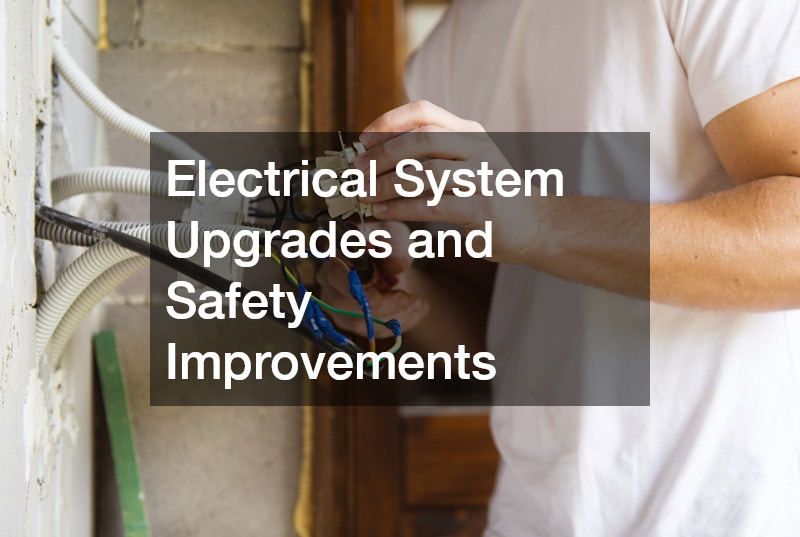
Electrical systems are the backbone of modern homes, powering everything from appliances to lighting and communication devices. However, older wiring systems may not be equipped to handle today’s energy demands, increasing the risk of overloads or electrical hazards.
Home rewiring projects are often necessary in older properties where wiring insulation has degraded or circuit capacity is insufficient. Upgrading these systems improves safety and allows for modern energy usage without strain.
Key indicators that electrical upgrades may be needed include:
- Frequent circuit breaker trips
- Flickering or dimming lights
- Outdated fuse boxes instead of breaker panels
- Limited outlet availability
- Warm or discolored switch plates
During renovations or upgrades, electrical systems should be evaluated alongside other infrastructure improvements to ensure compatibility and efficiency. Proper planning helps prevent future disruptions and ensures the home meets current safety standards.
Exterior Finishing and Property Appearance
The exterior appearance of a home plays a significant role in both curb appeal and structural protection. Paint acts as a protective barrier against moisture, UV exposure, and environmental wear.
Professional painters can ensure that surfaces are properly prepared, primed, and coated for maximum durability. Poor preparation often leads to peeling, cracking, or uneven coverage, reducing the lifespan of the finish.
Best practices for exterior maintenance include:
- Cleaning surfaces before painting to remove dirt and mildew
- Repairing cracks or damaged siding prior to painting
- Using weather-resistant coatings suited to local climate conditions
- Scheduling painting projects during mild weather conditions
- Inspecting trim and edges for wear annually
Beyond aesthetics, high-quality exterior finishes help preserve structural materials underneath, reducing long-term maintenance costs and improving property value.
Yard Safety and Tree Management
Trees add beauty and shade to a property, but they can also pose risks if they become unstable or overgrown. Dead branches, root expansion, or storm damage can create hazards for both structures and occupants.
Tree removals should always be handled carefully, especially when trees are located near homes, power lines, or fences. Professional services ensure that removal is done safely and without causing damage to surrounding areas.
Important considerations include:
- Assessing tree health annually for signs of decay
- Removing dead or overhanging branches promptly
- Monitoring root growth near foundations and driveways
- Evaluating storm damage after severe weather events
- Maintaining clear clearance from structures and utilities
Proper tree management also improves landscaping balance and prevents long-term property damage caused by falling limbs or invasive root systems.
Plumbing System Maintenance and Water Efficiency
Plumbing systems are essential for daily household function, yet they are often taken for granted until a problem arises. Leaks, clogs, and pressure issues can quickly escalate into costly water damage if not addressed promptly.
A licensed plumber can diagnose issues that may not be visible to homeowners, such as hidden pipe corrosion or underground leaks. Regular maintenance helps ensure consistent water flow and prevents emergencies.
Homeowners should focus on:
- Checking under sinks and around fixtures for leaks
- Monitoring water pressure changes
- Cleaning drains regularly to prevent buildup
- Insulating pipes in colder climates
- Scheduling periodic plumbing inspections
Water efficiency upgrades, such as low-flow fixtures and modern piping materials, can also reduce consumption and utility costs over time. Preventative care is the key to avoiding major plumbing failures.
Property Boundaries and Structural Security
Clear and secure property boundaries are essential for privacy, safety, and organization. Fencing not only defines space but also contributes to security and aesthetic appeal.
A professional fence contractor can assess terrain, recommend materials, and ensure proper installation for long-term durability. Poorly installed fencing may lean, warp, or deteriorate prematurely.
Key maintenance and planning considerations include:
- Choosing durable materials suited to climate conditions
- Inspecting posts and supports for stability
- Repairing storm or impact damage promptly
- Ensuring proper alignment during installation
- Maintaining protective coatings or treatments for wood fencing
Well-maintained fencing enhances property structure while also supporting landscaping design and security needs.
A well-maintained home depends on the consistent care of its core systems. Each component—from structural elements to mechanical and utility systems—plays a vital role in ensuring safety, comfort, and long-term property value. When these systems are proactively upgraded and maintained, homeowners reduce the risk of costly repairs and unexpected failures.
By taking a structured approach to home maintenance and addressing issues early, homeowners can create a safer, more efficient living environment that remains resilient over time.